








 CoinDesk
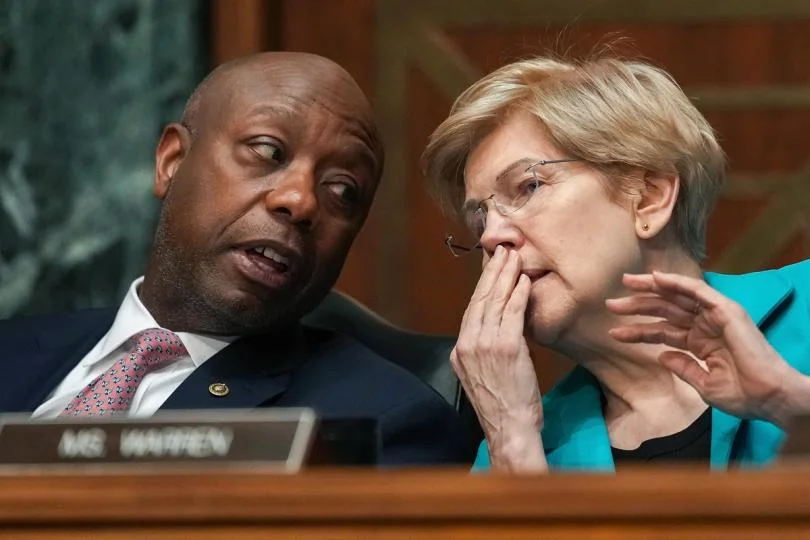
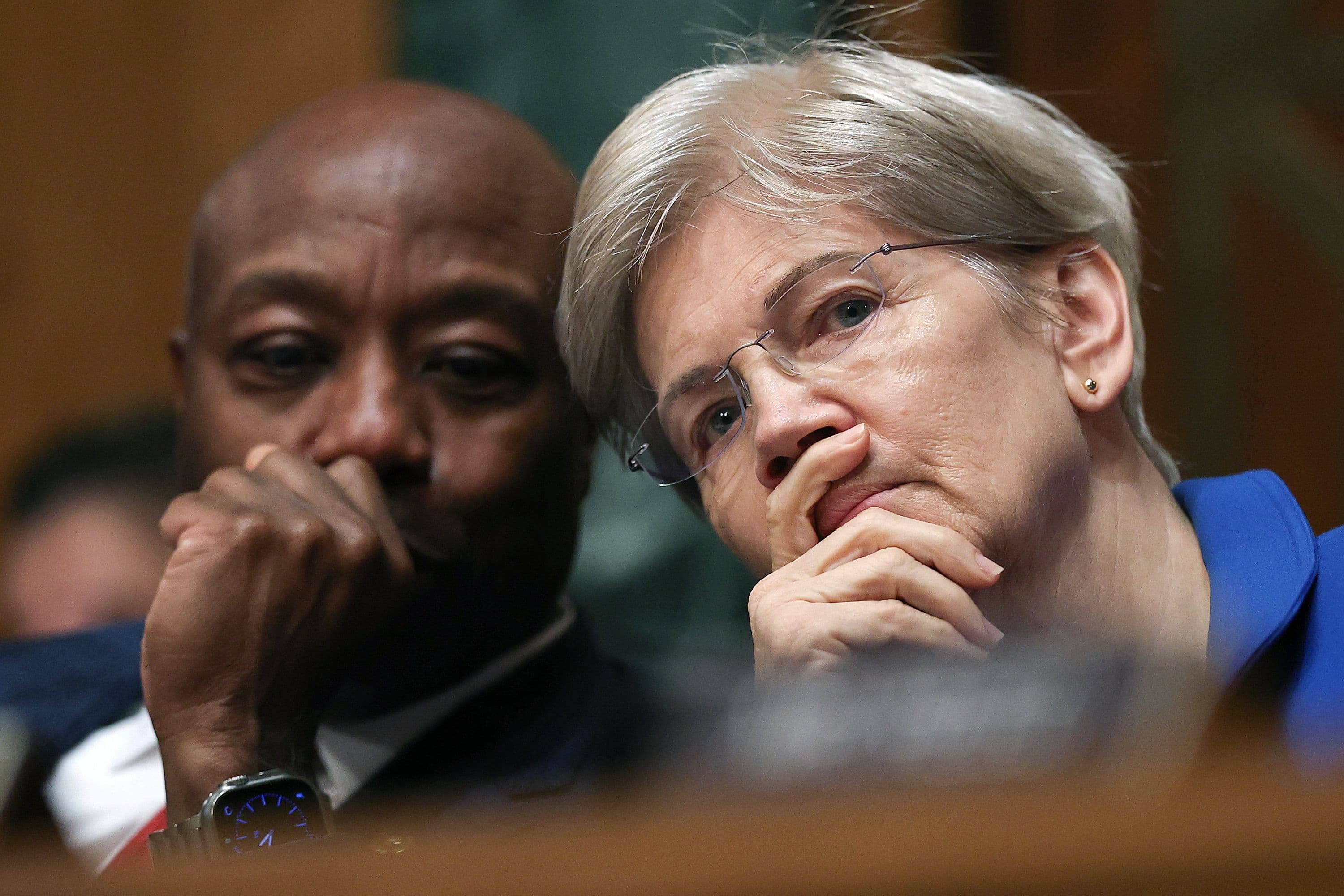


The U.S. Senate Banking Committee opened its long-awaited markup of the Digital Asset Market Clarity Act on Thursday with lawmakers from both parties publicly conceding that a bipartisan deal had not landed in time, leaving a party-line 13-11 vote as the most likely path out of committee. Chairman Tim Scott framed the session as the start of a process rather than the end, telling members, "We will disagree on this today, but I hope that what we end up with is a legislative product that is good now and gets another bite at the apple as it heads to the floor."
The remaining fault line is narrow in text but wide in politics. Senator Cynthia Lummis, who leads the panel's digital assets subcommittee, said negotiators had whittled the dispute down to "1% of remaining issues that didn't come to fruition before today, despite our around-the-clock negotiations." The two clusters still open are the bill's treatment of decentralized finance and a government-ethics provision aimed at keeping senior officials from rotating into the crypto industry.
Why it matters
The Clarity Act is the market-structure companion to the stablecoin bill that has already cleared the Senate Agriculture Committee, and the two together would be the first comprehensive federal framework for digital assets in the U.S. The committee's most senior Democrats — including ranking member Elizabeth Warren — opened the markup by calling the draft "not ready for prime time" and warning it would "blow a hole in our securities laws that have protected investors since 1929." Yet several Democrats who have been actively negotiating were notably absent from the opening remarks, a signal that the opposition being aired may be narrower than the public posture suggests.
Even if the bill clears Banking on a party-line vote, the next procedural step is a merger with the Agriculture Committee's version, where bipartisan dynamics will reset. Republicans argued on Thursday that the status quo leaves crypto consumers with no federal protections at all — Senator Thom Tillis called it "unacceptable" — and that the current draft is the first attempt to close that gap.

Frequently asked questions
-
What is the Digital Asset Market Clarity Act?
It is the Senate's proposed market-structure framework for digital assets, defining how tokens are classified and which regulator oversees them. It is the companion to a stablecoin bill that has already cleared the Senate Agriculture Committee.
-
Why did the Senate Banking Committee markup start on a partisan note?
Both parties publicly conceded that a bipartisan deal had not landed in time. Democrats led by Elizabeth Warren criticised the draft as insufficient on consumer protection and illicit finance, while Republicans argued it is the first federal attempt to cover crypto consumers at all.
-
What are the remaining unresolved issues in the Clarity Act?
Senator Cynthia Lummis said negotiators had narrowed the dispute to roughly 1% of the bill. The two main clusters are the treatment of decentralized finance and a government-ethics provision aimed at keeping senior officials from rotating into the crypto industry.
-
What happens if the bill passes the committee on a party-line vote?
A 13-11 party-line advance still moves the bill forward. The next step is a procedural merger with the version already passed by the Senate Agriculture Committee, where bipartisan dynamics would reset before any floor vote.
-
How does this affect DeFi protocols and crypto markets now?
Near-term operating conditions for DeFi protocols and U.S. trading venues do not change. The significance is procedural: the regulatory perimeter they've been waiting for moved one step closer, with a floor vote still plausible this session if the merged text attracts Democratic support.
 WatcherGuru
 CryptoSlate
 WuBlockchain
 CoinTelegraph
 TheBlock