








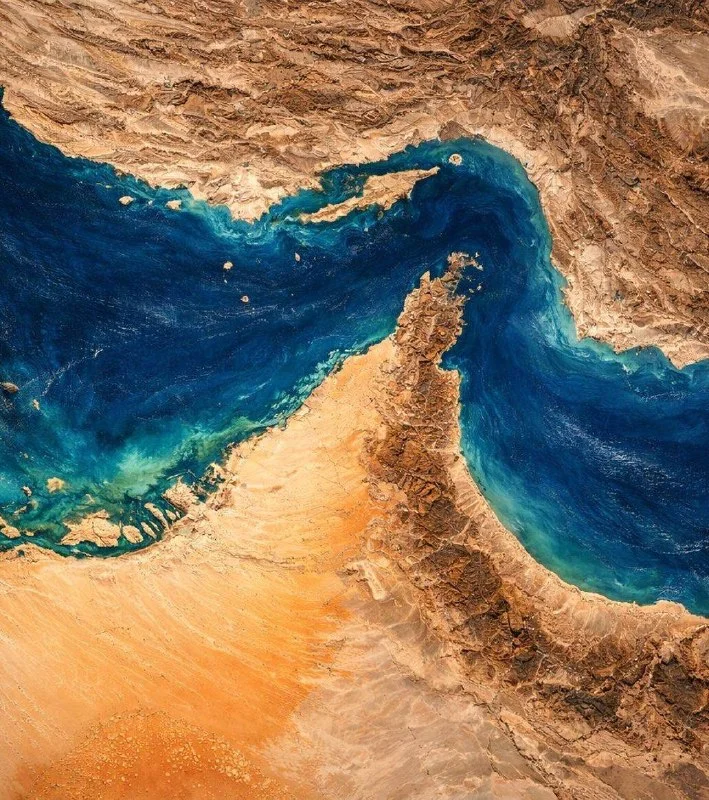
Iran has announced it will soon unveil a new transit system governing vessel passage through the Strait of Hormuz, one of the world's most critical maritime chokepoints. The system is expected to include routing controls and fees for ships seeking safe passage through the waterway.
The Strait of Hormuz handles roughly 20% of global oil trade, making any new Iranian oversight mechanism a potential pressure point for energy markets and shipping costs. Details of the fee structure and enforcement mechanism have not yet been disclosed, but the announcement alone signals Tehran's intent to assert greater administrative control over the passage.
Frequently asked questions
-
What impact could Iran's new transit system have on global oil prices?
Given that the Strait of Hormuz is vital for 20% of global oil trade, increased Iranian control could lead to higher shipping costs and potential volatility in energy markets.
-
How will the routing controls be enforced under the new system?
While specific details on enforcement mechanisms are not yet disclosed, the introduction of routing controls indicates Iran's intention to monitor and regulate vessel movements through the Strait.

 Crypto Rank News
 CoinDesk
 WatcherGuru
 CryptoSlate