








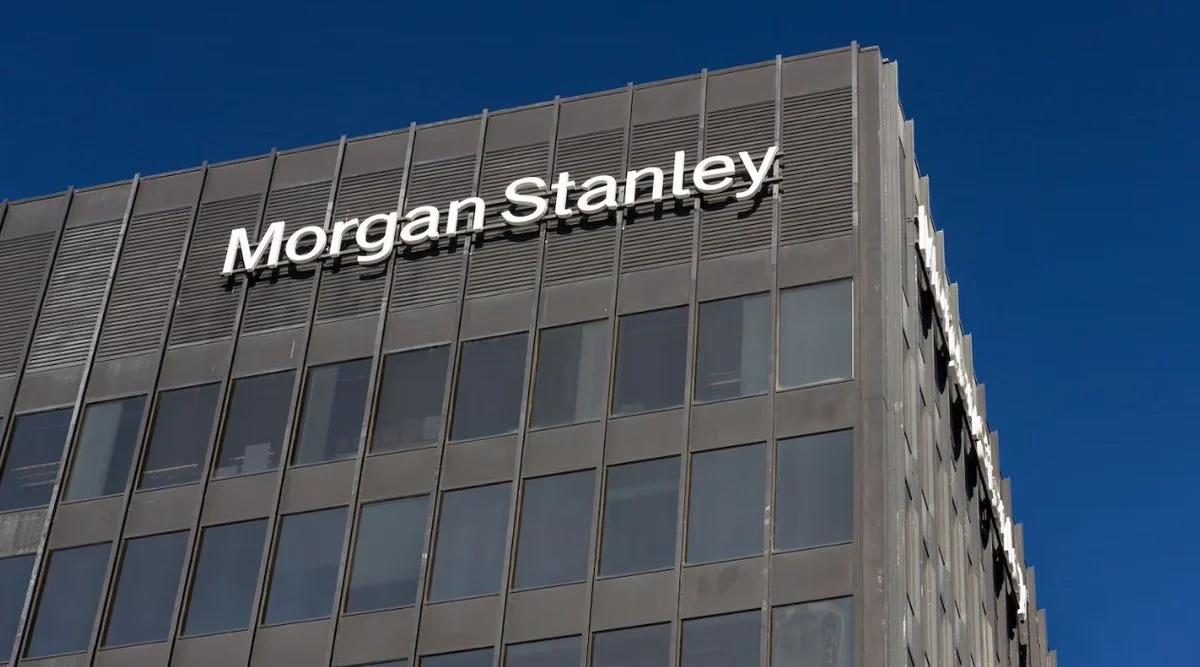
Morgan Stanley's head of digital asset strategy, Amy Oldenburg, used the Bitcoin Conference stage to tell advisors to allocate 2%–4% of client portfolios to Bitcoin — a concrete number from one of the largest wealth managers on Wall Street. She also noted that financial-adviser uptake remains slower than the headline allocation implies, largely an education and awareness problem rather than a willingness one.
Why it matters
Oldenburg framed the longer arc: Bitcoin will eventually appear on U.S. bank balance sheets, but the path is slower than markets expect. The friction she named — Federal Reserve guidance, Basel rules, and cross-jurisdictional requirements — is the same stack that's kept regulated banks on the sidelines since 2022. Her decision to give a numeric range anyway suggests Morgan Stanley views that institutional ceiling as compatible with retail-wealth adoption now.
Market impact
A 2%–4% target from a top-tier wirehouse is the kind of framing that pulls peer firms toward the same template, and the adviser-side gap she flagged is the easier one to close over the next 12–18 months. The bank balance-sheet timeline she sketched is the variable that caps the upside of that signal — the trade is wealth-platform adoption first, regulated-bank reserves later.

Frequently asked questions
-
What is the difference between wealth-platform and bank balance-sheet Bitcoin adoption?
Wealth platforms route client capital into spot Bitcoin and ETPs without putting the asset on a regulated bank's own books. Bank balance-sheet allocation requires clearing Fed, Basel, and cross-jurisdictional rules — the slower channel Oldenburg flagged.

 TheBlock
 Lookonchain
 CryptoSlate
 CoinTelegraph
 CoinDesk
 WatcherGuru
 Crypto News