








 CoinDesk
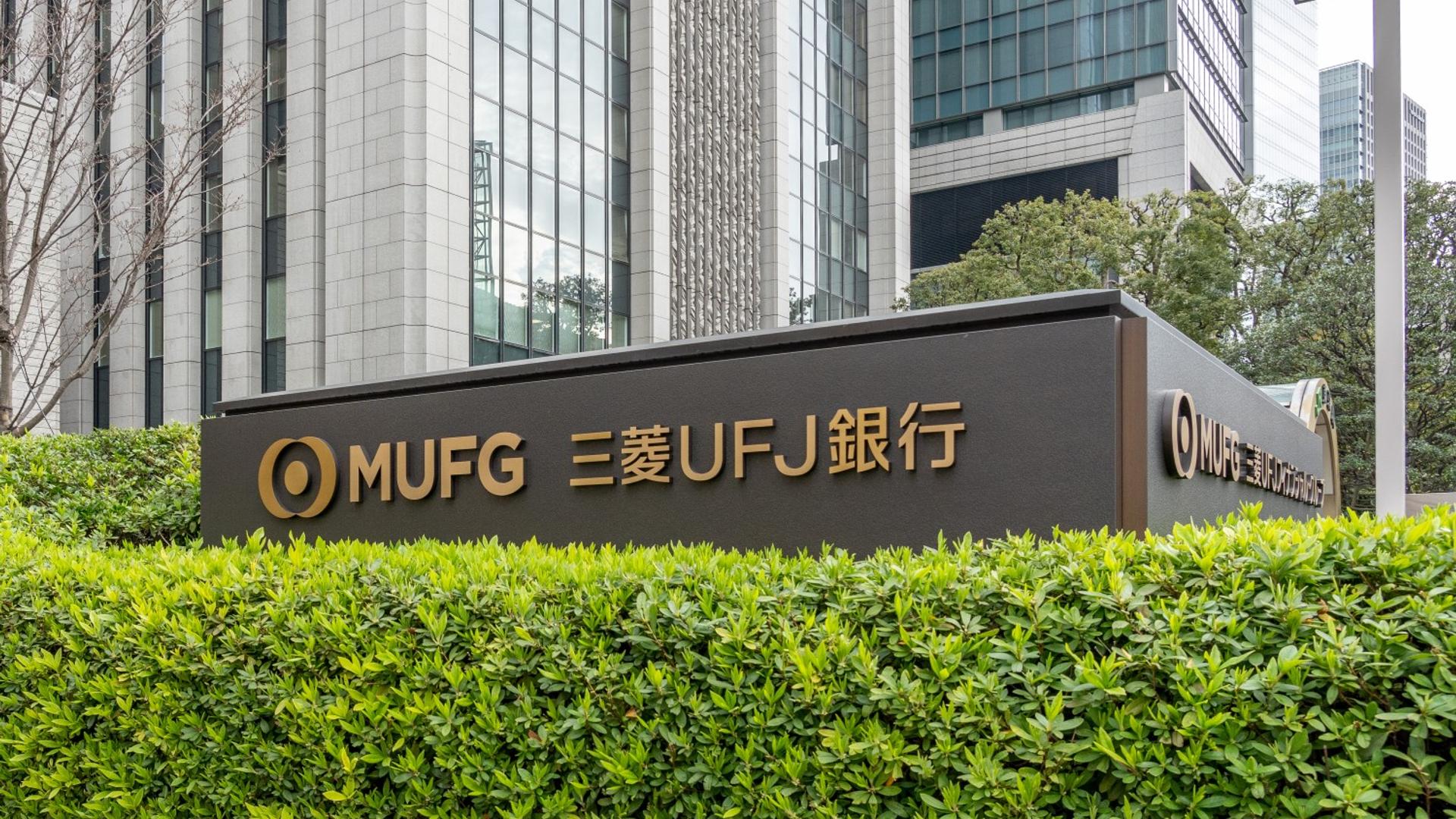



Mitsubishi UFJ Financial Group is preparing a proof-of-concept to settle Japanese government bond (JGB) transactions on the Canton Network. The pilot targets real-time 24/7 onchain settlement, replacing a traditional settlement cycle that typically runs one to three days. MUFG framed the move as a way to improve operational and capital efficiency in JGB repo transactions, where the bonds are routinely used as collateral by Japanese and overseas market participants. The Tokyo-based bank expects the design to unlock atomic settlement and continuous liquidity in a market that has historically settled on a T+1 to T+3 basis.
Why it matters
Japanese government bonds are among the most liquid sovereign issues in Asia and a foundational piece of collateral in Japan's repo market, which makes them a natural candidate for tokenization. MUFG pointed to growing momentum to bring JGBs onchain, both from domestic institutions and overseas users holding JGBs as collateral in cross-border repo trades. The Canton Network, a privacy-enabled institutional blockchain, has become a preferred rail for permissioned financial-market experiments, and the pilot lands in a wider pattern of TradFi tokenization.
JPMorgan's Kinexys network has run blockchain-based intraday US Treasury repo settlement since 2020, and European banks have run similar proofs. MUFG's move positions Japan's largest bank to bring the same plumbing to the JGB market, with the bid aimed at cutting settlement drag and freeing up balance sheet tied up in the repo cycle.
Market impact
The test is one piece of a broader MUFG push into blockchain-based financial infrastructure. The bank recently joined SMBC and Mizuho to explore a jointly issued stablecoin by March 2027, a project that would create a domestic yen-denominated settlement asset. A successful JGB pilot would give MUFG an early foothold in tokenized Japanese sovereign collateral and could pressure peers in Japan's banking sector to follow.
Frequently asked questions
-
What is MUFG testing on the Canton Network?
MUFG is preparing a proof-of-concept to settle Japanese government bond transactions onchain via the Canton Network, targeting real-time 24/7 settlement for JGB repo trades.
-
Why does settling JGBs on blockchain matter?
JGBs are heavily used as collateral in Japan's repo market. Replacing the traditional 1-3 day settlement cycle with 24/7 onchain settlement could improve capital and operational efficiency for market participants.
-
How does MUFG's pilot compare to JPMorgan's Kinexys?
JPMorgan's Kinexys has run blockchain-based intraday US Treasury repo settlement since 2020. MUFG's Canton Network pilot brings the same plumbing to Japanese government bonds.
-
What other blockchain initiatives does MUFG have underway?
MUFG recently joined SMBC and Mizuho to explore a jointly issued yen stablecoin by March 2027, making the JGB pilot one piece of a broader institutional blockchain strategy.
-
What is the Canton Network?
The Canton Network is a privacy-enabled institutional blockchain used by financial institutions for tokenized asset and settlement experiments. MUFG chose it as the rail for the JGB proof-of-concept.
 Crypto Rank News
 CryptoSlate
 CoinTelegraph
 Crypto Capital Venture
 Altcoin Daily