









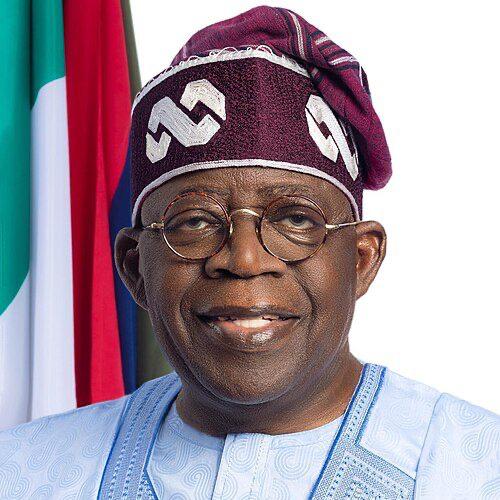
Nigerian President Bola Tinubu signed an executive order on virtual assets and established a coordinating council to streamline crypto regulation across the country's fragmented oversight bodies.
Why it matters
Nigeria has been one of Africa's largest crypto markets by retail adoption while operating without a unified federal framework. The order and the new council give regulators a shared lane to classify, license, and supervise virtual asset service providers, ending years of agency-by-agency overlap between the SEC, the central bank, and anti-money-laundering authorities.
Market impact
A formal framework is the precondition for institutional capital and licensed banking rails to reach the Nigerian market. Watch for licensed stablecoin issuance terms and whether the council sequences a licensing regime ahead of any retail-facing policy. The signal for the wider African market is also structural: a federal-level framework in Africa's largest economy tends to set the template neighbouring regulators reference.
Frequently asked questions
-
What did Nigeria's executive order on virtual assets actually do?
President Tinubu signed an executive order on virtual assets and launched a coordinating council to streamline crypto regulation across Nigeria's fragmented oversight bodies, including the SEC, the central bank, and anti-money-laundering authorities.
-
Why does a federal framework matter for crypto in Nigeria?
Nigeria has been one of Africa's largest crypto markets by retail adoption but has operated without a unified federal framework. A formal structure gives regulators a shared lane to classify, license, and supervise virtual asset service providers.
-
How could this affect institutional and banking access to crypto in Nigeria?
A formal framework is the precondition for institutional capital and licensed banking rails to reach the Nigerian market, opening the door to licensed stablecoin issuance and a defined licensing regime for virtual asset service providers.
-
What should investors watch after the executive order?
Key follow-ups include the terms for licensed stablecoin issuance, the sequencing of a licensing regime for virtual asset service providers, and whether retail-facing policy lands before or after institutional rules.
-
Does Nigeria's move matter for crypto regulation elsewhere in Africa?
Yes. A federal-level framework in Africa's largest economy tends to set the template neighbouring regulators reference, making Nigeria's council and order a structural signal for the wider African market.

 TheBlock
 CryptoSlate
 WatcherGuru
 CoinDesk
 WuBlockchain