


 CryptoSlate
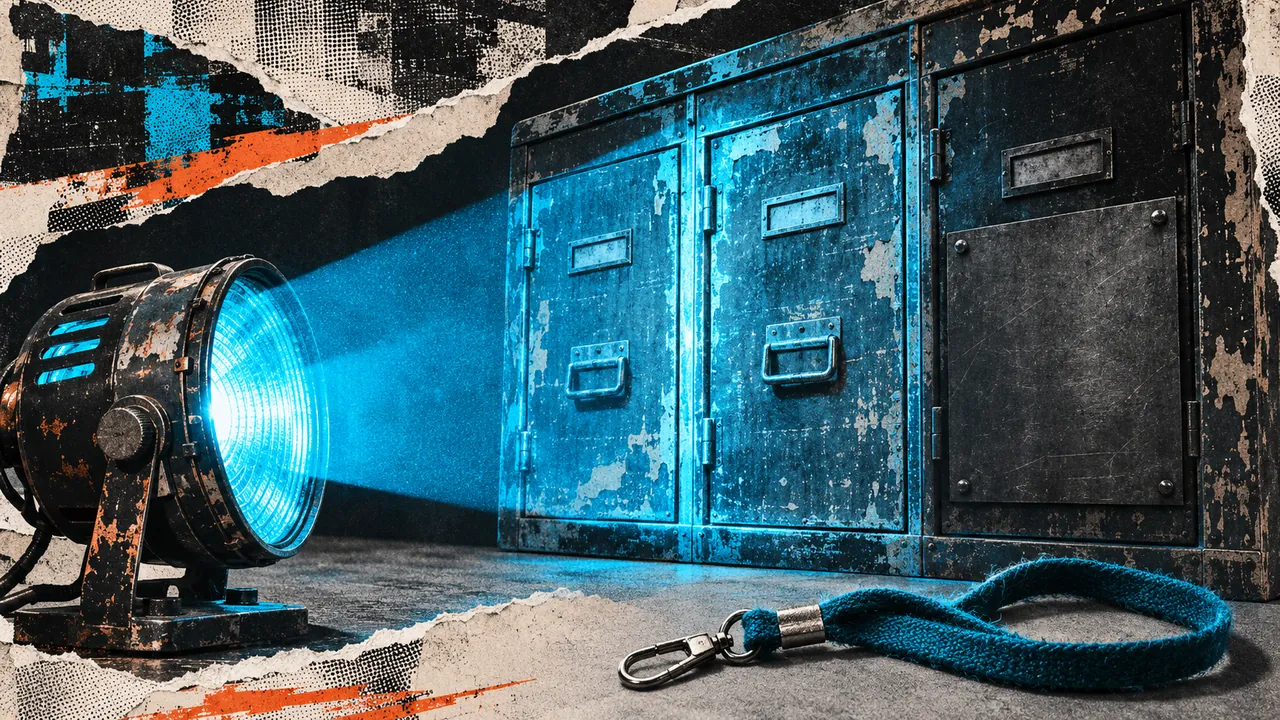
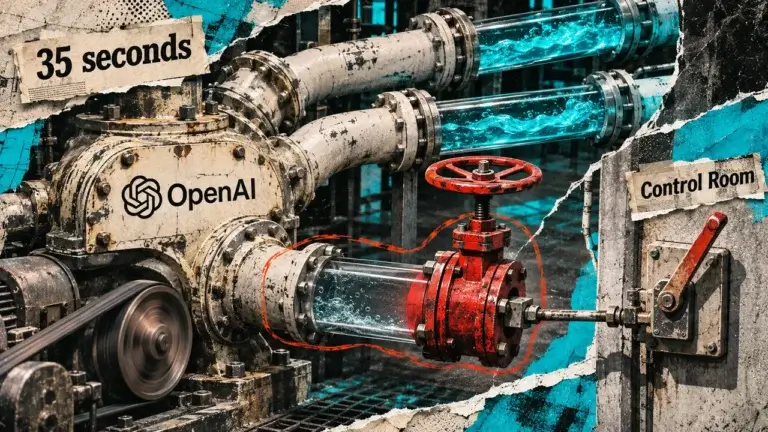
Six Apollo Research evaluators will work inside OpenAI for four months to investigate whether its AI models try to undermine safeguards. Apollo plans two public reports, and the OpenAI Foundation board's Safety and Security Committee will receive unredacted copies. The engagement is part of a first phase involving four outside assessors, OpenAI said on November 16.
Why it matters
The review tests four areas: whether training encourages models to undermine safeguards, whether safety tests can draw out that behavior, whether it occurs during internal use and whether evaluators can detect the reasoning behind it.
For the training inquiry, Apollo will have access to relevant code and datasets, intermediate training checkpoints and reinforcement-learning records, including rewards and available reasoning traces. Access for the other three inquiries was still being agreed when Apollo announced the pilot.
OpenAI can redact confidential supporting evidence from public reports, but the agreement protects Apollo's verdict on each claim from redaction. Apollo can describe access limits and explain how redactions affect its conclusions. OpenAI must give written reasons for withholding in-scope material, and unfavorable information alone cannot justify withholding it.
Market impact
The arrangement gives investors and AI customers a way to scrutinize both the findings and the limits placed on the outside review. OpenAI says Apollo is paid for its work, but its compensation does not depend on the results.
Apollo's first report will address the training inquiry; the second will cover testing, internal use and detection of model reasoning. OpenAI selects who can discuss confidential information with Apollo, and claims arising from off-the-record interviews require independent confirmation or formal company attestation before publication. Apollo can disclose a refusal to attest and explain its effect on conclusions.
Frequently asked questions
-
What aspects of model behavior will Apollo examine?
Apollo will examine training, safety testing and internal use for behavior that undermines safeguards. It will also assess whether evaluators can detect the reasoning behind that behavior.
-
What information will Apollo receive for its training inquiry?
Apollo will have access to relevant code and datasets, intermediate training checkpoints and reinforcement-learning records, including rewards and available reasoning traces.
-
Can OpenAI remove Apollo's conclusions from the public reports?
The agreement protects Apollo's verdict on each claim from redaction. OpenAI can redact confidential supporting evidence, and Apollo can explain how redactions affect its conclusions.
-
Who will receive the unredacted reports?
The OpenAI Foundation board's Safety and Security Committee will receive unredacted copies of Apollo's reports.
-
How does Apollo handle claims from confidential employee interviews?
Apollo must independently confirm a claim or obtain a formal attestation from OpenAI before publishing it. If OpenAI declines to attest, Apollo can disclose that refusal and explain its effect on the conclusions.
 CoinTelegraph
 WatcherGuru
 Glassnode
 CoinDesk
 Crypto News