


 CryptoSlate
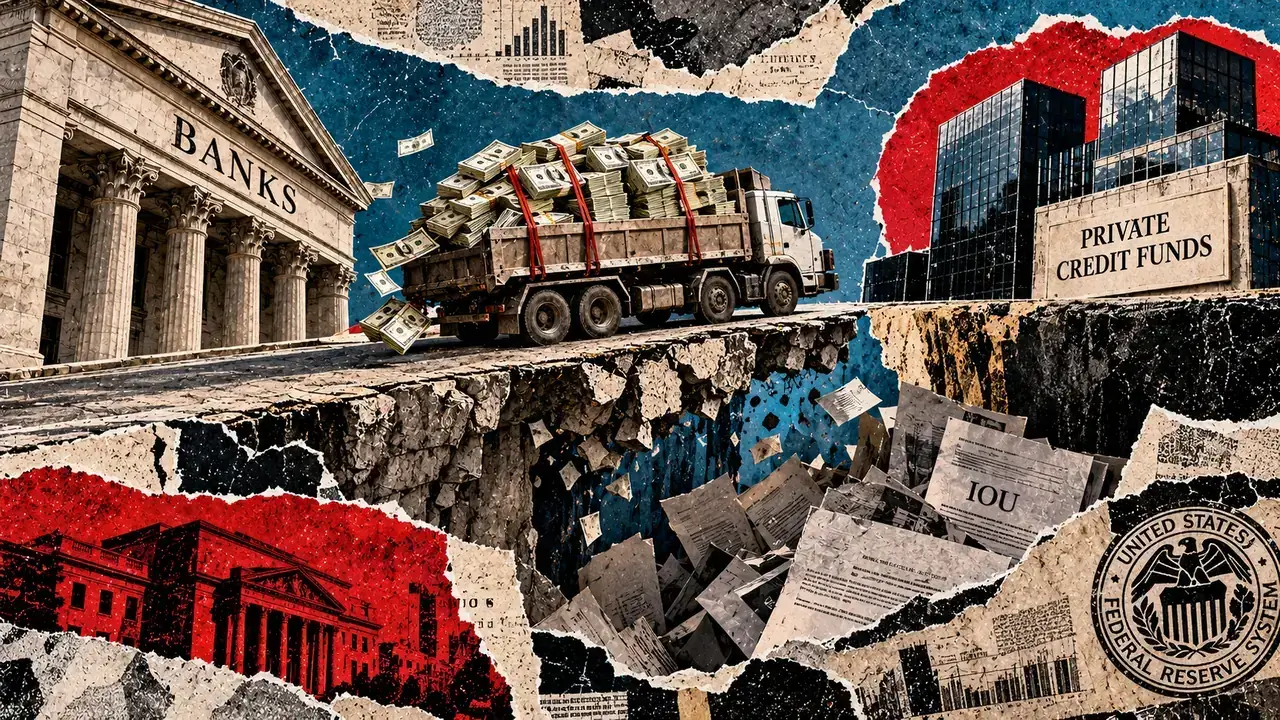


US-domiciled private-credit vehicles owed banks $349 billion at the end of 2025, while payment-in-kind interest was rising across business development company loans. PIK lets borrowers add interest to their debt instead of paying cash, but the funds that hold those loans may still owe cash to their own bank lenders.
Why it matters
The $349 billion comprises fund liabilities, not bank losses or unused credit lines. Business development companies owed $181 billion, private debt funds owed $150 billion, and interval and tender-offer funds owed $18 billion. Separately, US-footprint private-credit vehicles held more than $2.6 trillion in assets, including foreign-based vehicles.
Boston Fed researchers found that about 10% of BDC loans were actively using PIK by early 2026, up from about 6% in 2022. The increase appeared across nearly every industry in the sample. PIK can give a company room to fund operations, but interest added to a loan is not cash available to pay a fund's expenses or creditors.
Market impact
Funds can use reserves and cash from other borrowers to meet payments. But if loan values fall or collateral stops qualifying under financing agreements, a bank may demand more collateral or repayment. A fund could then sell assets or cut new lending, even if its total assets exceed its debts. Investor repurchase programs can add to cash demands, though limits may slow withdrawals.
That pressure could spread beyond private credit. Banks' senior claims and collateral may protect them, but enforcing those rights can reduce financing for funds and the businesses they lend to. Investors needing cash may sell unrelated assets, while tighter financing can leave traders with less capital to maintain positions, creating a potential spillover to Bitcoin markets.

Frequently asked questions
-
What does the $349B figure represent?
It is the amount US-domiciled private-credit vehicles owed banks at the end of 2025. It represents fund liabilities, not bank losses or unused credit lines.
-
How does payment-in-kind interest affect private-credit funds?
PIK lets a borrower add interest to its outstanding debt instead of paying cash. The fund's income claim grows, but it may not receive cash to meet its own expenses or bank payments.
-
How much of BDC lending used PIK by early 2026?
About 10% of BDC loans were actively using PIK by early 2026, up from about 6% in 2022.
-
What could prompt a bank to demand repayment or more collateral?
Financing agreements can require additional collateral or repayment if loan valuations fall or assets stop qualifying as eligible collateral.
-
How could private-credit stress reach Bitcoin markets?
Investors seeking cash may sell assets unrelated to the original credit losses, while reduced financing can leave traders with less capital to maintain positions. That creates a potential spillover to Bitcoin.
 CoinDesk
 WatcherGuru
 Altcoin Daily
 Benjamin Cowen
 CoinTelegraph
 TheBlock