


 CoinDesk
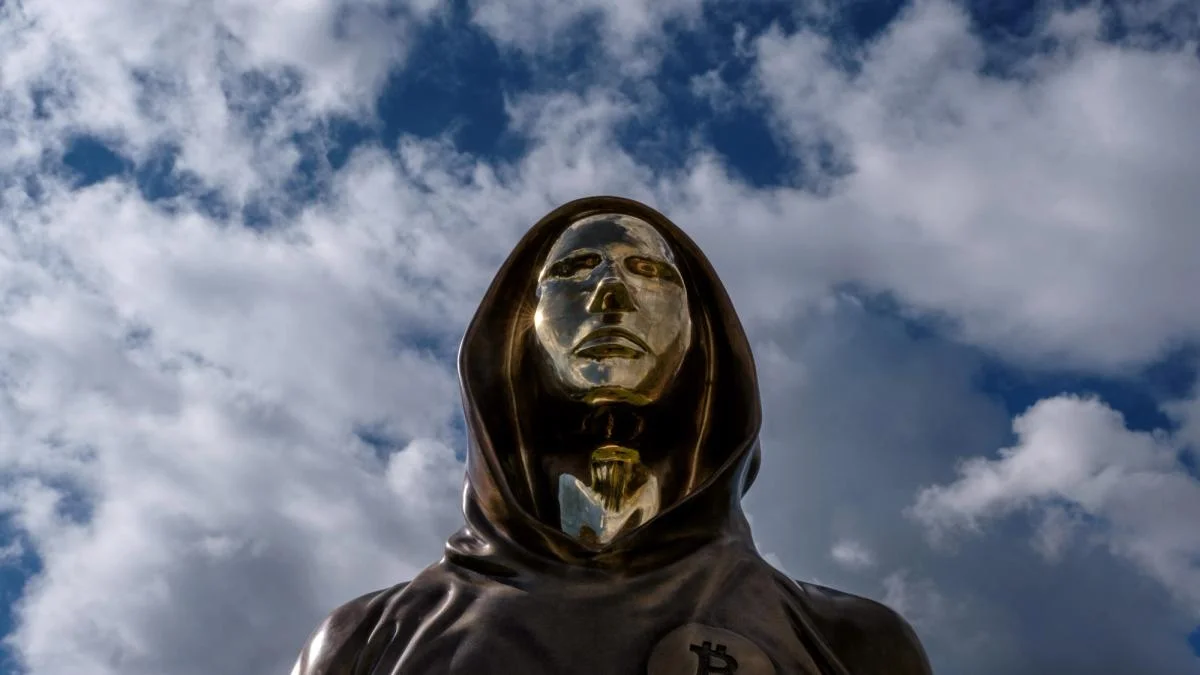


Eighteen years after Satoshi published Bitcoin’s white paper, Onramp CEO Michael Tanguma argues that small businesses still bear costs tied to bank rescues and inflation, while Bitcoin offers another place to hold surplus. The paper appeared on Oct. 31, 2008, four weeks after Congress passed a $700 billion bank bailout. Bitcoin’s first block later carried a headline about a second bank rescue.
Why it matters
Tanguma points to the Federal Reserve’s balance sheet growing from $0.9 trillion in September 2008 to $9.0 trillion in April 2022, and M2 money supply rising about 50% since February 2020. Small businesses, he argues, face higher costs without the same institutional backstops. A survey during the first weeks of the 2020 shutdowns found that the median firm with more than $10,000 in monthly expenses held about two weeks of cash.
The article illustrates the pressure with ground beef: its price rose from $3.87 per pound in February 2020 to $6.79 in September 2026, while a $100,000 cash reserve lost 43% of its purchasing power against that measure. Bitcoin’s supply, by contrast, is capped at 21 million coins.
Market impact
The case for holding some business surplus in Bitcoin is a long-term purchasing-power argument, not a claim that it is a stable cash substitute. Bitcoin fell 77% from November 2021 to November 2022, the article notes, before recovering above its prior high. Cash avoided that kind of price swing but, according to the article’s comparisons, lost about 23% of its consumer-price purchasing power and 43% against ground beef since February 2020.
For business owners, the decision turns on liquidity needs and tolerance for volatility. Bitcoin’s fixed supply is the appeal; sharp drawdowns remain the risk.

Frequently asked questions
-
What reserve argument does Michael Tanguma make for small businesses?
Tanguma argues that businesses can hold part of their surplus in Bitcoin as an alternative to cash, whose purchasing power has declined against rising costs.
-
What does the article say about small firms’ cash buffers during the 2020 shutdowns?
A survey from the first weeks of the shutdowns found the median firm with more than $10,000 in monthly expenses held about two weeks of cash.
-
How does the article compare cash purchasing power with the price of ground beef?
Ground beef rose from $3.87 per pound in February 2020 to $6.79 in September 2026. A $100,000 reserve bought 43% less ground beef by the later date.
-
What is the main risk of using Bitcoin as a business reserve?
Bitcoin’s price can fall sharply. The article notes a 77% decline between November 2021 and November 2022, despite a later recovery above the prior high.
-
Why does Bitcoin’s supply limit matter to the reserve case?
Bitcoin has a fixed supply of 21 million coins. The article presents that limit as a contrast with cash reserves that lose purchasing power as prices rise.
 WatcherGuru
 Crypto Rank News
 CryptoSlate