








 CoinDesk
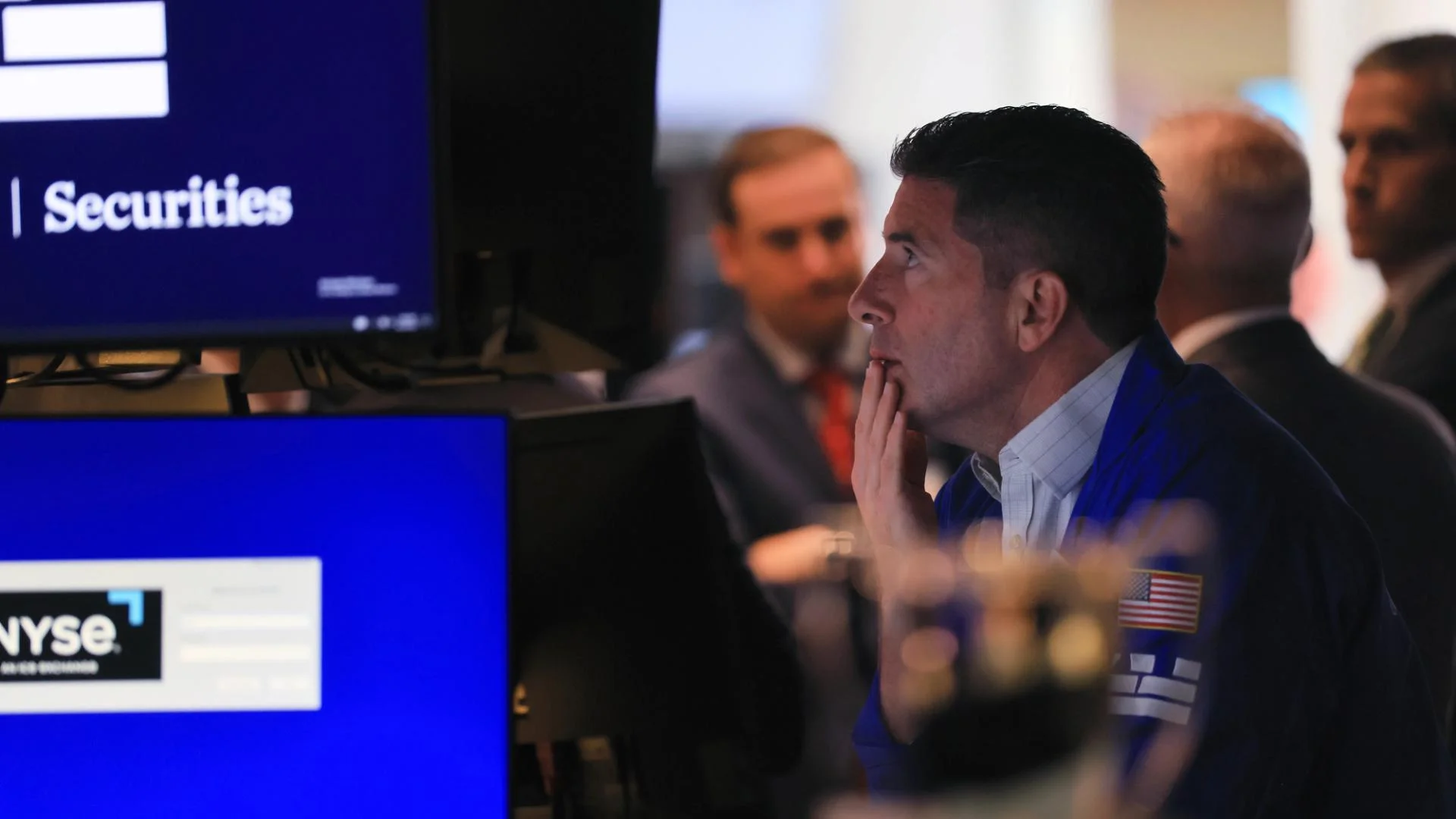



The SEC has opened a five-year framework for qualifying tokenized securities venues to operate automated market maker pools without registering as exchanges. TD Cowen expects limited near-term adoption because U.S. investors already have efficient access to stocks, while tokenized venues face thin liquidity, operational complexity and weak issuer interest.
Why it matters
The framework allows certain liquidity providers to avoid dealer registration under specific conditions and lets tokenized stocks trade through AMMs rather than traditional order books. The model could support around-the-clock trading, but poor liquidity can also produce worse prices. Tokens must represent NMS stocks and preserve dividends, voting rights and other economic rights. Issuers receive 30 days to object, and trading volume is capped.
Those restrictions arrive as broader crypto market structure legislation remains stalled after the CLARITY Act failed to advance. They also leave the U.S. model harder to scale than some overseas tokenized stock products. Reid Noch of TD Cowen said conversations with dozens of issuers found minimal interest outside crypto-adjacent companies such as Figure.
Market impact
Figure illustrates the challenge. During the 24-hour period examined by TD Cowen, 99.9% of its notional trading took place through traditional FIGR shares rather than blockchain-native FGRS shares with the same economic exposure and voting rights.
For crypto-based stock exposure, perpetual futures appear to be the stronger demand story. In a Binance snapshot of Nvidia-related activity, perpetual futures accounted for 96% of notional volume, versus 4% for spot products. TD Cowen expects platforms to keep expanding perpetuals internationally and domestically as retail traders seek leverage.
Frequently asked questions
-
What did the SEC's new framework allow tokenized stock venues to do?
The framework allows qualifying tokenized securities venues to operate automated market maker pools for five years without registering as exchanges, subject to conditions.
-
Why does TD Cowen expect limited demand for tokenized stocks?
TD Cowen said U.S. investors already have efficient access to underlying shares, while tokenized venues face limited liquidity, added operational complexity and weak issuer interest.
-
What restrictions apply to tokenized stocks under the SEC framework?
Tokens must represent NMS stocks and preserve economic rights including dividends, voting and liquidation rights. Trading volume is capped, and issuers receive 30 days to object.
-
What did Figure's trading data show about tokenized stock adoption?
In TD Cowen's 24-hour sample, 99.9% of Figure's notional trading occurred through traditional FIGR shares rather than blockchain-native FGRS shares with the same economic exposure and voting rights.
-
Why are perpetual futures a stronger demand story for crypto-based stock exposure?
TD Cowen found that perpetual futures accounted for 96% of Nvidia-related notional volume in a Binance snapshot, compared with 4% for spot products.
 WatcherGuru
 WuBlockchain
 CryptoSlate
 TheBlock
 CoinTelegraph
 Crypto News