








 CoinDesk
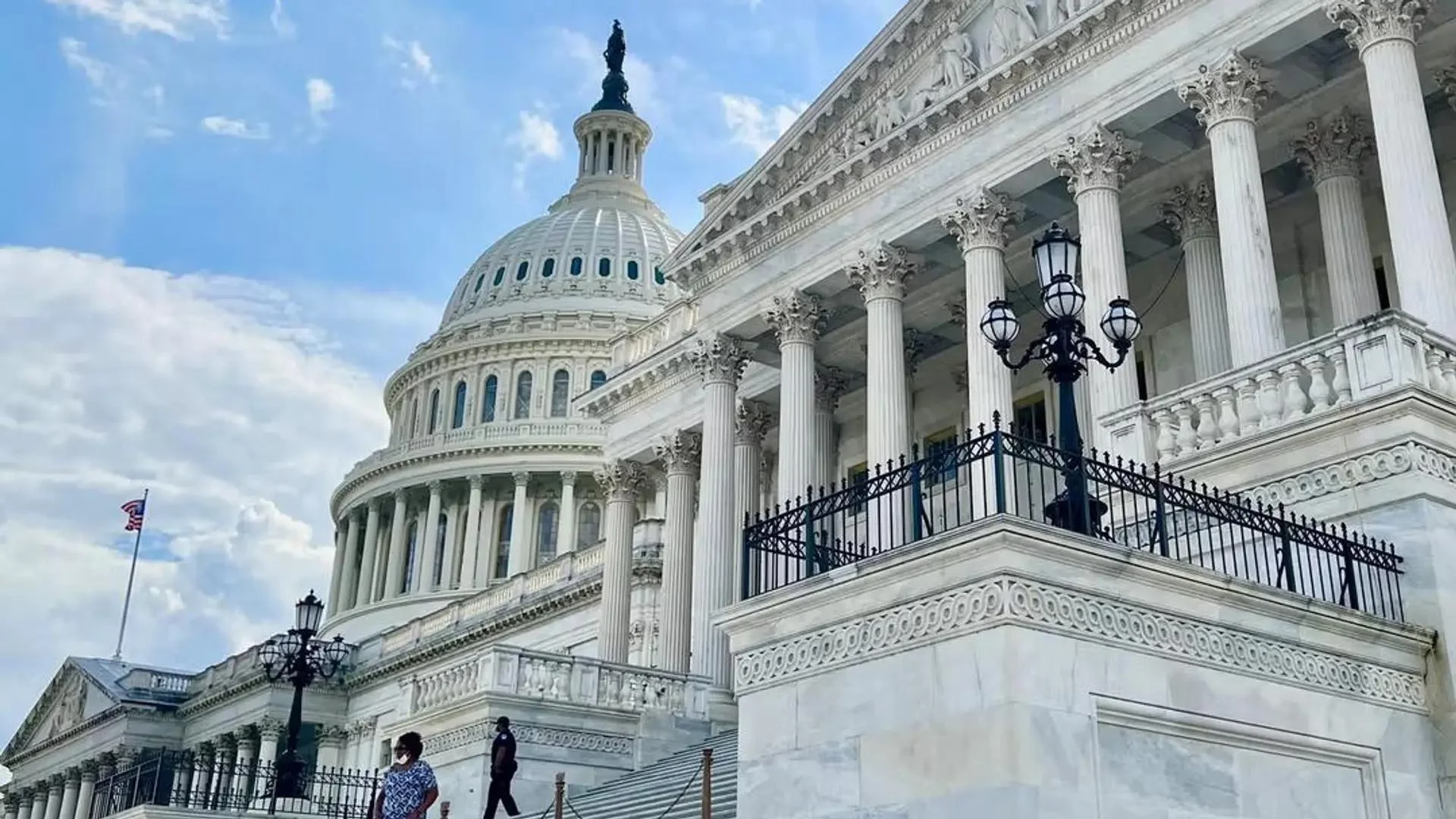



The U.S. Senate has pulled the Digital Asset Market Clarity Act from its near-term floor schedule as Majority Leader John Thune pivots the chamber's limited pre-recess bandwidth to a slate of federal nominations and a Russia sanctions bill dedicated to the late Sen. Lindsey Graham. Because Senate procedure generally permits only one disputed bill at a time, the Clarity Act cannot realistically clear before the chamber's August 8 summer recess, leaving September as the next plausible voting window.
Even if a floor slot opens, the bill remains unresolved. Democrats hosted a Monday event opposing the government-ethics provision that bars senior officials, including President Donald Trump, from backing crypto projects. Trump signaled last week he would accept the limits, but Democrats say the constraints do not reach far enough to constrain his crypto ventures. Both sides have agreed to keep negotiating.
Why it matters
The Clarity Act is the industry's flagship market-structure effort, the legislative counterpart to the recently enacted GENIUS Act on stablecoins. A 2026 path now looks narrow. Procedurally, the bill must still clear the Senate, return to the House where recent Republican infighting has stalled other priorities, and reach Trump's desk, where he has held up unrelated bills to press for voter-ID legislation. If the package collapses, the regulatory fallback is the GENIUS implementation track plus rulemaking at the SEC and CFTC.
Market impact
The delay extends a months-long bottleneck that began with the stablecoin-yield fight between crypto firms and banks, which resolved in a compromise capping rewards programs to non-yield formats. That fight has now migrated to government ethics, and the unresolved provision is the single largest swing factor in whether Clarity reaches a floor vote this year. With only a few September weeks before the November elections and a lame-duck session to follow, the practical runway for the bill is the tightest it has been since the House advanced its version.
Frequently asked questions
-
Why did the Senate pull the crypto Clarity Act from its schedule?
Majority Leader John Thune redirected the chamber's limited pre-recess bandwidth to federal nominations and a Russia sanctions bill dedicated to the late Sen. Lindsey Graham, and Senate procedure generally allows only one disputed bill at a time.
-
When is the next realistic floor window for the Clarity Act?
The chamber's summer recess is set to start on August 8, and the next plausible window for floor action is September, when both chambers return for a few weeks before the November elections.
-
What is the main substantive dispute holding up the bill?
The unresolved government-ethics provision that bars senior officials, including President Trump, from backing crypto projects. Trump said last week he would accept the limits, but Democrats argue the restrictions do not go far enough.
-
What happens to crypto regulation if the Clarity Act fails?
The fallback is implementation of the recently enacted GENIUS Act on stablecoins plus ongoing rulemaking at the SEC and CFTC, though the industry loses its flagship market-structure statute.
-
Why has the House version not already become law?
A similar bill already advanced in the House, but the Senate has been the bottleneck. Even if the Senate passes the bill, it must return to the House, where recent Republican infighting has stalled other legislative priorities.
 CoinTelegraph
 TheBlock
 Crypto News
 WuBlockchain