









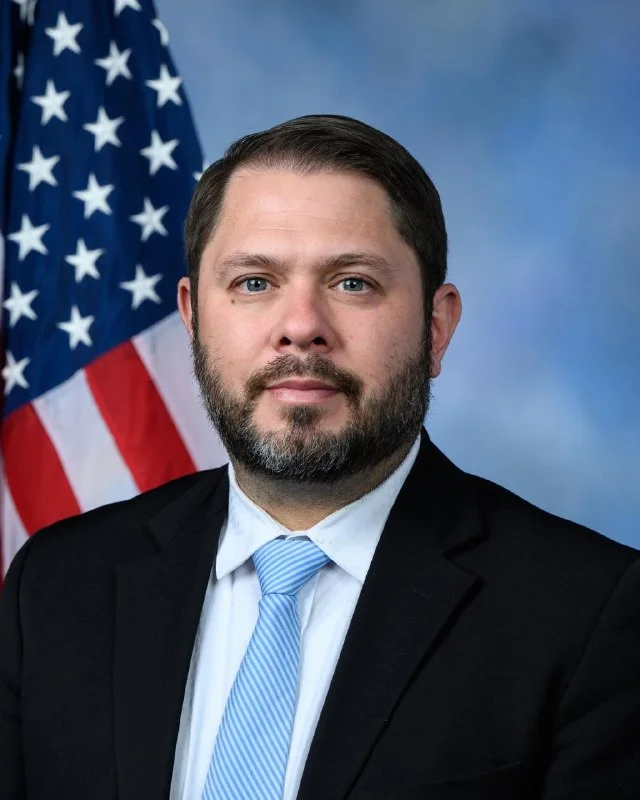
Sens. Thom Tillis and Ruben Gallego have sent the White House revised ethics rules for the Clarity Act, moving enforcement of a federal token-issuance ban to state authorities, according to people familiar with the matter.
Why it matters
The rewrite reframes who polices compliant token issuance. Under the original draft, federal regulators held the primary enforcement lever. The revised language routes that responsibility through state-level regimes, a structural change that lets each state set its own teeth on the same federal prohibition.
For issuers, that means a fragmented compliance map. A stablecoin operator cleared in one state could still face action in another, and the federal floor stops being a single rulebook.
Market impact
Stablecoin issuers with multi-state books now face higher legal overhead, while smaller state-chartered programs gain room to compete. Watch for state banking regulators to begin publishing their own enforcement guidance once the bill's framework is final.
The shift also gives the White House a chance to weigh in before floor consideration, which keeps the ethics provisions live as a negotiation point rather than a settled annex.
Frequently asked questions
-
What did the senators actually change in the Clarity Act?
The revised ethics rules shift enforcement of the federal token-issuance ban from federal regulators to state authorities, letting each state set its own enforcement teeth on the same federal prohibition.
-
Why does the federal-to-state enforcement shift matter?
It turns one federal rulebook into a fragmented compliance map, so a stablecoin issuer cleared in one state could still face action in another.
-
How does this affect stablecoin issuers operationally?
Issuers with multi-state books face higher legal overhead, while smaller state-chartered programs gain room to compete against larger incumbents.
-
What role does the White House play now?
The revised language gives the White House a chance to weigh in before floor consideration, keeping the ethics provisions live as a negotiation point rather than a settled annex.
-
What should readers watch next on the Clarity Act?
State banking regulators are likely to publish their own enforcement guidance once the bill's framework is final, shaping how the federal ban is applied in practice.

 Crypto News
 TheBlock
 WatcherGuru
 CoinDesk
 WuBlockchain
 CryptoSlate