








 CoinDesk



LMAX Group's managing director of digital assets, Jenna Wright, argues that markets rarely fail from scarce capital. They fail when capital is trapped by settlement cycles while risk reprices by the minute. The proof point she cites: LMAX processed more than $300 billion in volume in a single January week, including $60 billion in gold products, while some institutions were forced out of positions overnight because they could not move collateral fast enough.
The fix she sees is no longer theoretical. Stablecoin market capitalisation now sits around $320 billion, and regulated institutions are beginning to treat stablecoins and tokenised cash as settlement infrastructure rather than crypto-market novelty.
Why it matters
Wright's framing pins the January volatility episode on a market-structure failure rather than a capital shortage. Her point: the system's capacity was not the bottleneck, the rails between execution and settlement were. Persistent high trading volumes without matching settlement speed is the structural flaw volatility exposes, and one that continuous markets can no longer absorb.
The institutional response this week validates that read. Wells Fargo is rolling out tokenized deposits this fall for select corporate and commercial clients, starting with round-the-clock USD-to-GBP settlement and expanding in 2027. Coinbase secured Abu Dhabi Global Market approval to arrange and custody tokenized securities. Wintermute's US arm registered with the SEC and joined FINRA, gaining the ability to trade stocks and options, provide ETF liquidity, and act as authorized participant for crypto-linked funds.
Market impact
The week's headlines cluster around a single shift: regulated capital is moving onto programmable rails, on both the cash side (stablecoins, tokenized deposits) and the asset side (tokenized securities, tokenized gold).
The UK FCA has opened a consultation on tokenized bullion as wholesale collateral, a clear play for London to defend its position in roughly 70 percent of global notional gold trading volume. The US Senate moved the Clarity Act to a floor-process motion, positioning the bill for a post-recess vote and forcing industry attention onto stablecoin rewards, ethics, and enforcement provisions.
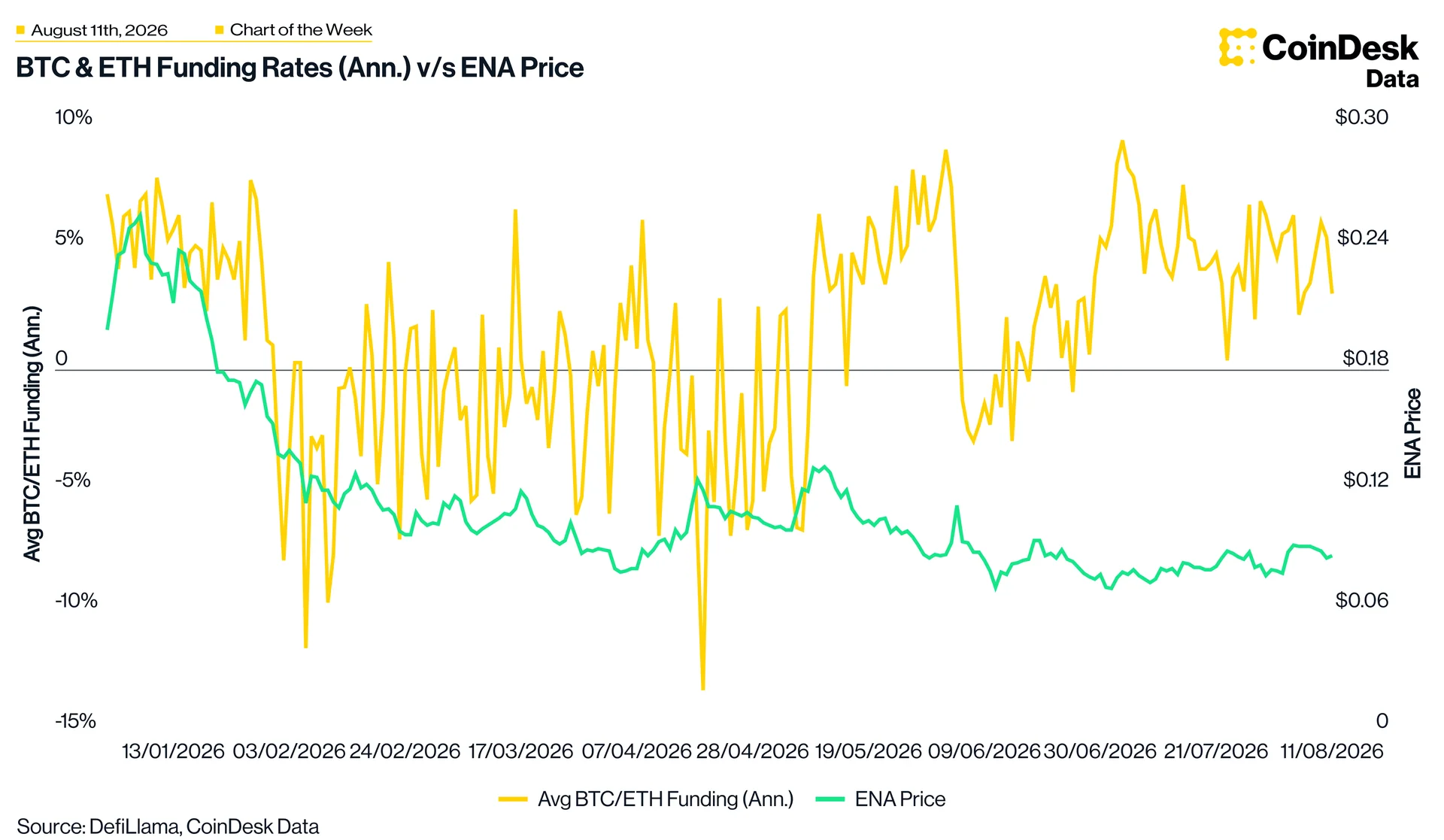
The funding backdrop also sharpened. Average BTC/ETH perpetual funding has crept back to roughly 5 percent annualized, above the three-month T-bill at about 3.8 percent, yet Ethena (ENA) has barely responded.


Frequently asked questions
-
Why does LMAX's Jenna Wright say markets don't break from scarce capital?
Wright argues the failure point is settlement speed, not capital availability. In January, institutions with collateral were forced out of positions because they couldn't move assets fast enough to fund new exposure while risk repriced by the minute.
-
How big is the stablecoin market right now?
Per LMAX's Wright, stablecoin market capitalisation now sits around $320 billion, with regulated institutions beginning to treat stablecoins as settlement infrastructure rather than a crypto-only asset class.
-
What tokenized deposit rollout did Wells Fargo just announce?
Wells Fargo said it will introduce tokenized deposits this fall for select corporate and commercial clients, starting with round-the-clock USD-to-GBP transactions, with expansion to more clients, countries, and currencies planned for 2027.
-
Why has Ethena's funding sensitivity structurally faded?
Per this week's chart commentary, crypto basis is now around 1.5% of ENA's backing. That structural shift means average BTC/ETH funding returning to roughly 5% annualized above the 3-month T-bill at 3.8% barely moves the token.
-
What did the UK FCA propose for tokenized gold?
The UK FCA opened a consultation on tokenized bullion rules for wholesale markets, with London accounting for roughly 70% of global notional gold trading volume and looking to defend that position.
 CoinTelegraph
 CryptoSlate
 WatcherGuru
 WuBlockchain
 Crypto News
 TheBlock
 Lookonchain