








 WatcherGuru

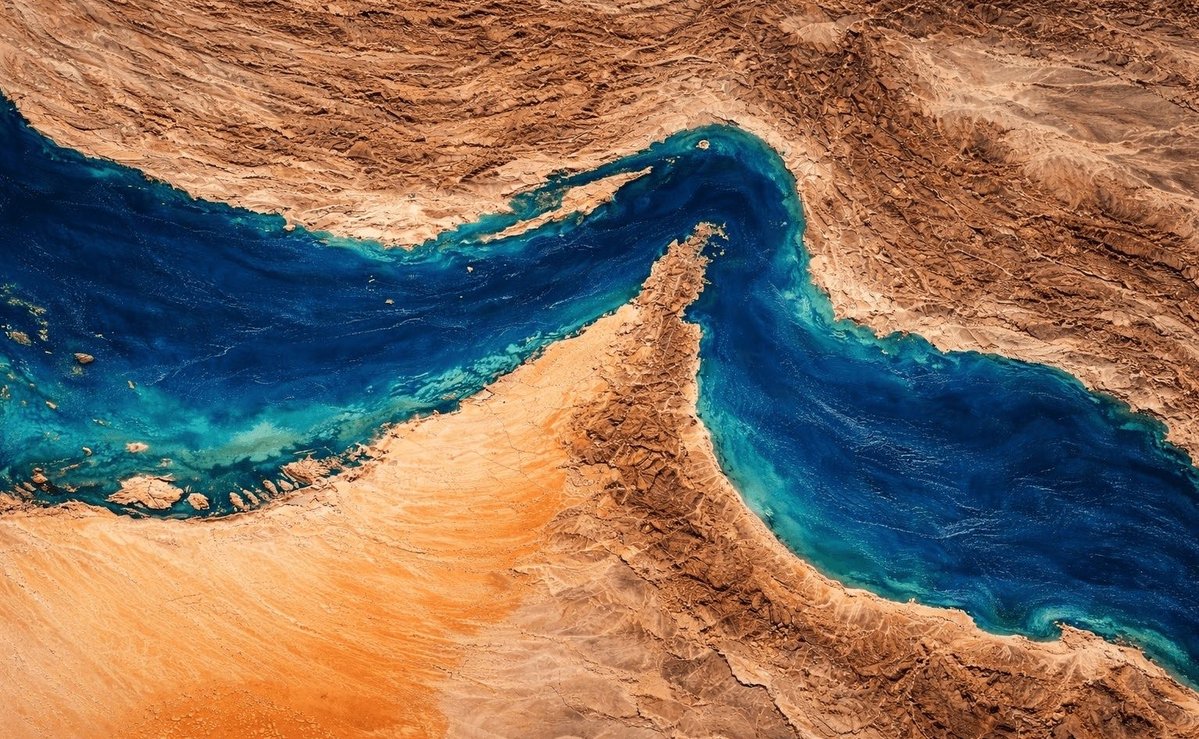
President Trump said 19 million barrels of oil flowed through the Strait of Hormuz in a single day, calling the figure an all-time record. The Strait of Hormuz is the narrow chokepoint between Iran and the Arabian Peninsula through which roughly a fifth of global seaborne oil and a significant share of LNG typically transit, making daily flow prints a closely watched energy-security metric.
A record print at that scale has macro implications well beyond the tanker market. A sustained step-change in Hormuz throughput would suggest Gulf producers are accelerating shipments ahead of demand or in response to shifting sanctions, pricing, or routing dynamics, and that kind of volume shift feeds directly into the global crude supply balance and downstream inflation gauges.
Why it matters
The Strait of Hormuz sits on the supply side of every major energy and inflation model. A one-day record of 19 million barrels is the kind of headline number that can reprice front-month crude, shift breakeven inflation expectations, and complicate the rate path traders are pricing into the second half of the year. The figure also reads as a political signal: a US president citing daily transit volumes at a strategic chokepoint adjacent to Iran is reframing the energy-security conversation in real time.
Market impact
Watch front-month Brent and WTI for a knee-jerk reaction, then drill into shipping rates, insurance premia, and any follow-up clarification on whether the 19 million barrel figure includes both directions of flow, condensate, and refined product. A genuinely elevated transit print tightens the supply narrative in the near term, while a one-off data quirk fades quickly. Either outcome leaves Strait-of-Hormuz risk premium as a live variable in the energy book.
Frequently asked questions
-
How much oil normally flows through the Strait of Hormuz per day?
Roughly a fifth of global seaborne oil and a significant share of LNG typically transit the Strait of Hormuz, the narrow chokepoint between Iran and the Arabian Peninsula. Daily transit figures are watched as a key energy-security metric.
-
What did Trump actually say about Hormuz oil flows?
President Trump said 19 million barrels of oil flowed through the Strait of Hormuz in a single day, calling the figure an all-time record. He did not provide sourcing or methodology for the number in the post.
-
How does a record Hormuz transit print affect crude prices?
A one-day record of 19 million barrels is the kind of headline number that can reprice front-month Brent and WTI. If the elevated flow persists, it points to more supply hitting the market and softer crude near term; a one-off print typically fades quickly.
-
Why does Strait of Hormuz throughput matter for inflation and interest rates?
Hormuz sits on the supply side of major energy and inflation models, and a step-change in throughput feeds into the global crude supply balance. Sustained shifts in that balance move breakeven inflation expectations, which in turn affect the rate-cut path markets are pricing.
-
Could the 19 million barrel figure be overstated or include non-crude barrels?
Markets will want clarification on whether the figure captures both directions of flow, condensate, and refined product, or just crude. Until that breakdown is clear, traders are likely to treat the print as headline signal rather than confirmed supply data.
 Crypto News
 CoinDesk
 CoinTelegraph
 Altcoin Daily