








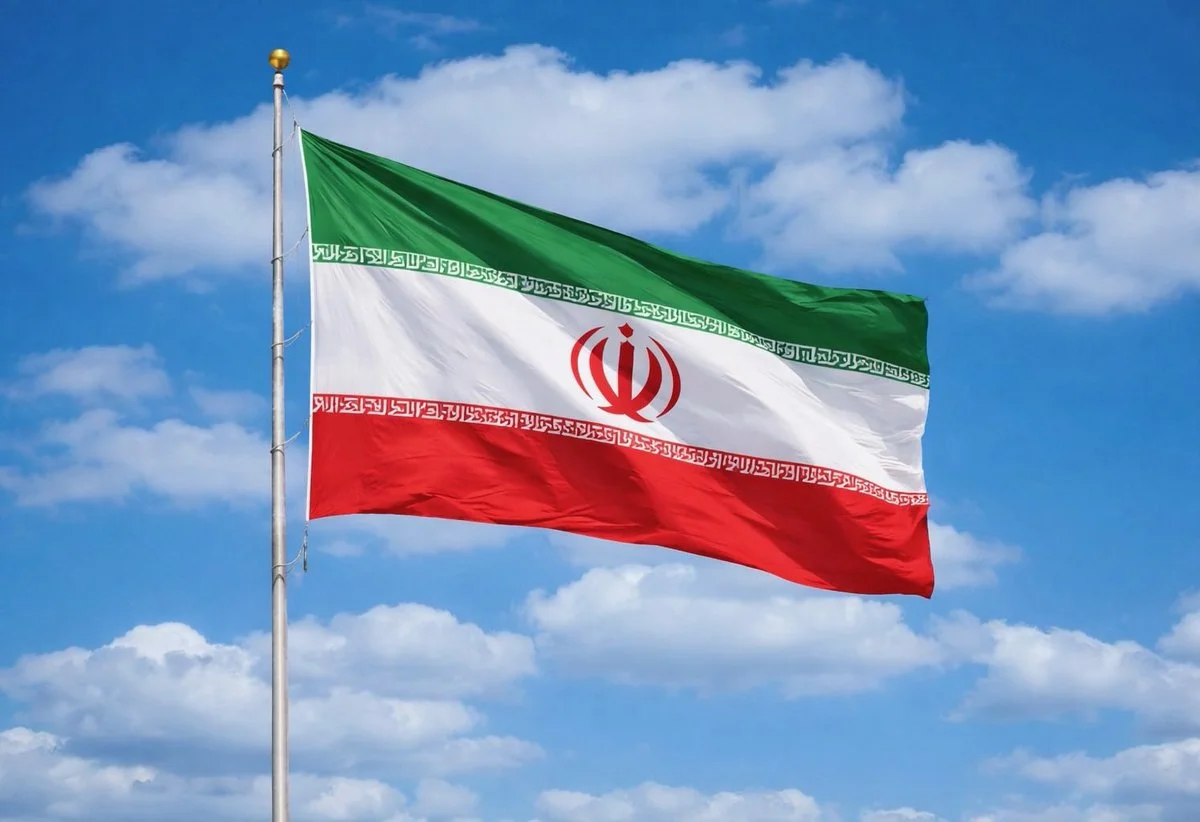
The Trump administration has publicly attributed $344 million in frozen USDT to Iranian-linked activity, according to an official statement. The disclosure marks one of the largest publicly confirmed sanctions-related freezes involving a stablecoin issuer.
Tether has previously cooperated with law enforcement requests to freeze wallets flagged by authorities, and this case underscores how stablecoin issuers are increasingly functioning as a compliance layer in the global sanctions architecture. The scale of the freeze — nearly a third of a billion dollars — signals that state-level actors are actively using dollar-pegged assets, and that on-chain forensics are catching up.
The development is likely to intensify congressional scrutiny of stablecoin regulation, where Tether's offshore structure and freeze authority are already contested topics.

Frequently asked questions
-
What implications does this freeze have for Tether's operations?
The freeze highlights Tether's role in compliance with sanctions, potentially impacting its operational practices and relationships with law enforcement.
-
How might this affect future stablecoin regulations?
The incident is expected to increase congressional scrutiny of stablecoin regulations, particularly regarding Tether's offshore structure and its authority to freeze assets.


 CryptoSlate
 TheBlock
 CoinTelegraph
 Altcoin Daily
 Benjamin Cowen
 Crypto News
 WuBlockchain