








 CoinDesk
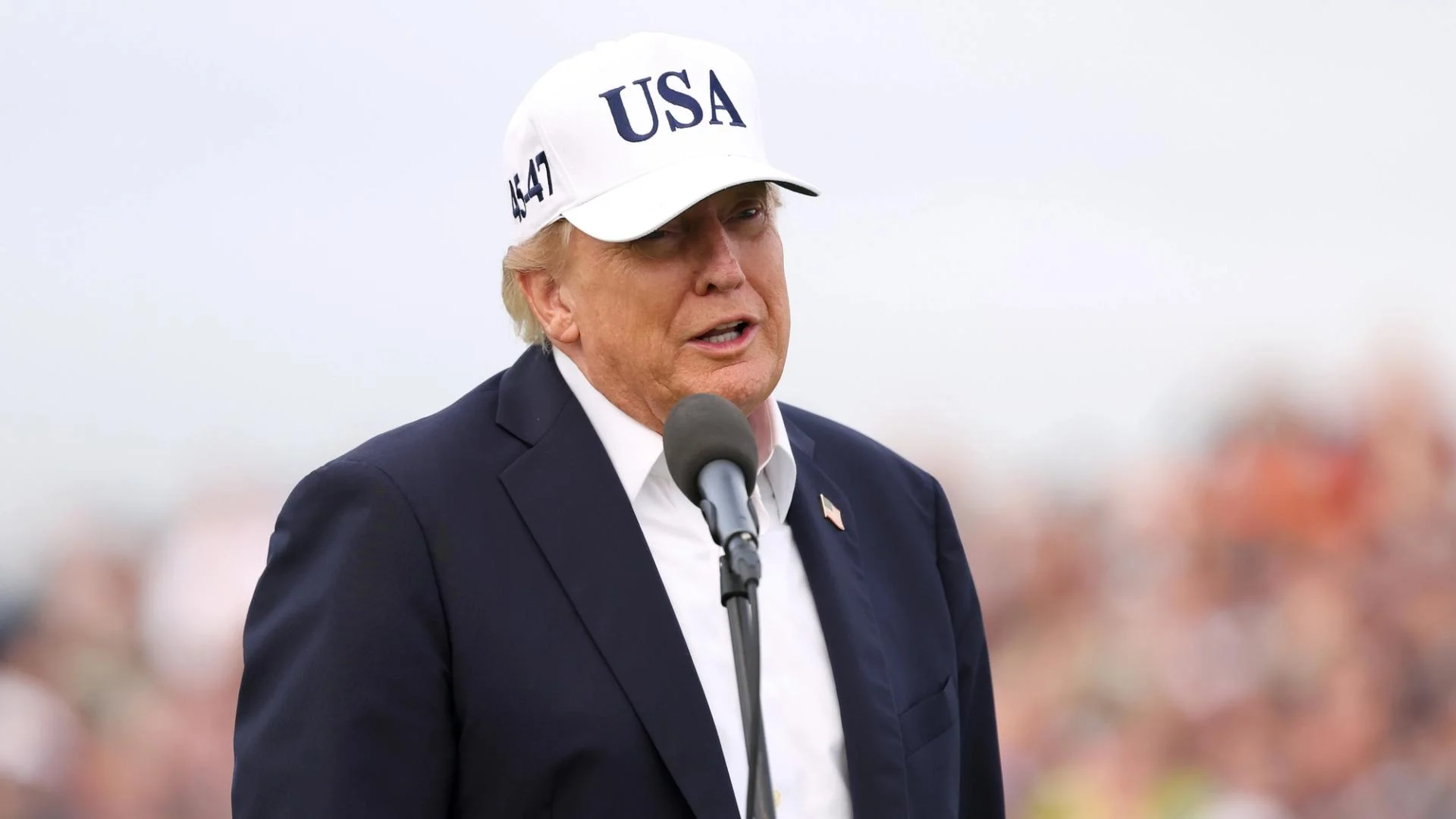


U.S. President Donald Trump and Senate Republicans agreed to a more restrictive ethics provision in the latest draft of the Digital Asset Market Clarity Act, released publicly early Monday ahead of a scheduled cloture vote on Tuesday. The revised language more explicitly bars the President and other senior government officials from issuing or sponsoring a digital asset, or otherwise "maintaining a significant financial interest," except under narrow conditions.
Why it matters
The ethics provision was one of the major blockers for the bill, and Trump's agreement to tighter language removes the headline objection Democrats had raised. "Covered individuals" now have three days to notify the relevant ethics office of any significant crypto interest, and that office has another three days to publicly announce a forced divestiture, which is treated as a sale. Exchanges are also explicitly barred from listing any digital asset issued by a covered official, and state attorneys general gain the power to sue to enforce the rule. Civil penalties for issuers remain on the books, and a previous sunset on enforcement has been stripped out.
Market impact
The bill still needs 60 votes to clear Tuesday's cloture test, and a final passage vote plus House action after the November recess before it can reach the president's desk. Other revisions tweak the Blockchain Regulatory Certainty Act and decentralized finance language, and give the Treasury Secretary an 18-month window to restrict stablecoin rewards if the department finds community-bank deposit flight is occurring. For the president's own token products, the practical effect is a forced unwind rather than a soft prohibition, and the AG enforcement channel gives the rule teeth beyond federal regulators.
Frequently asked questions
-
What does the revised Clarity Act ethics provision actually require?
Covered senior officials must notify the ethics office within three days of any significant crypto interest, and the office then has three more days to publicly announce a forced divestiture treated as a sale.
-
Who can enforce the new ethics rule?
State attorneys general are now authorized to bring lawsuits to enforce the provision, alongside existing federal civil penalties for issuers. The bill also removed a previous sunset on enforcement.
-
Are exchanges affected by the new language?
Yes. The revised text explicitly bars crypto exchanges from listing any digital asset issued by a covered individual, closing the listing path for presidential tokens.
-
What happens to stablecoin rewards under the bill?
The Treasury Secretary gains an 18-month authority to restrict stablecoin rewards if the Treasury Department finds that deposit flight out of community banks is occurring.
-
When does the bill get its next vote?
The Senate is scheduled to hold a cloture vote on Tuesday. Surviving that test keeps the process moving toward a final passage vote, and the House must take it up after the November recess.
 WatcherGuru
 CoinTelegraph
 TheBlock
 CryptoSlate