








 CoinDesk
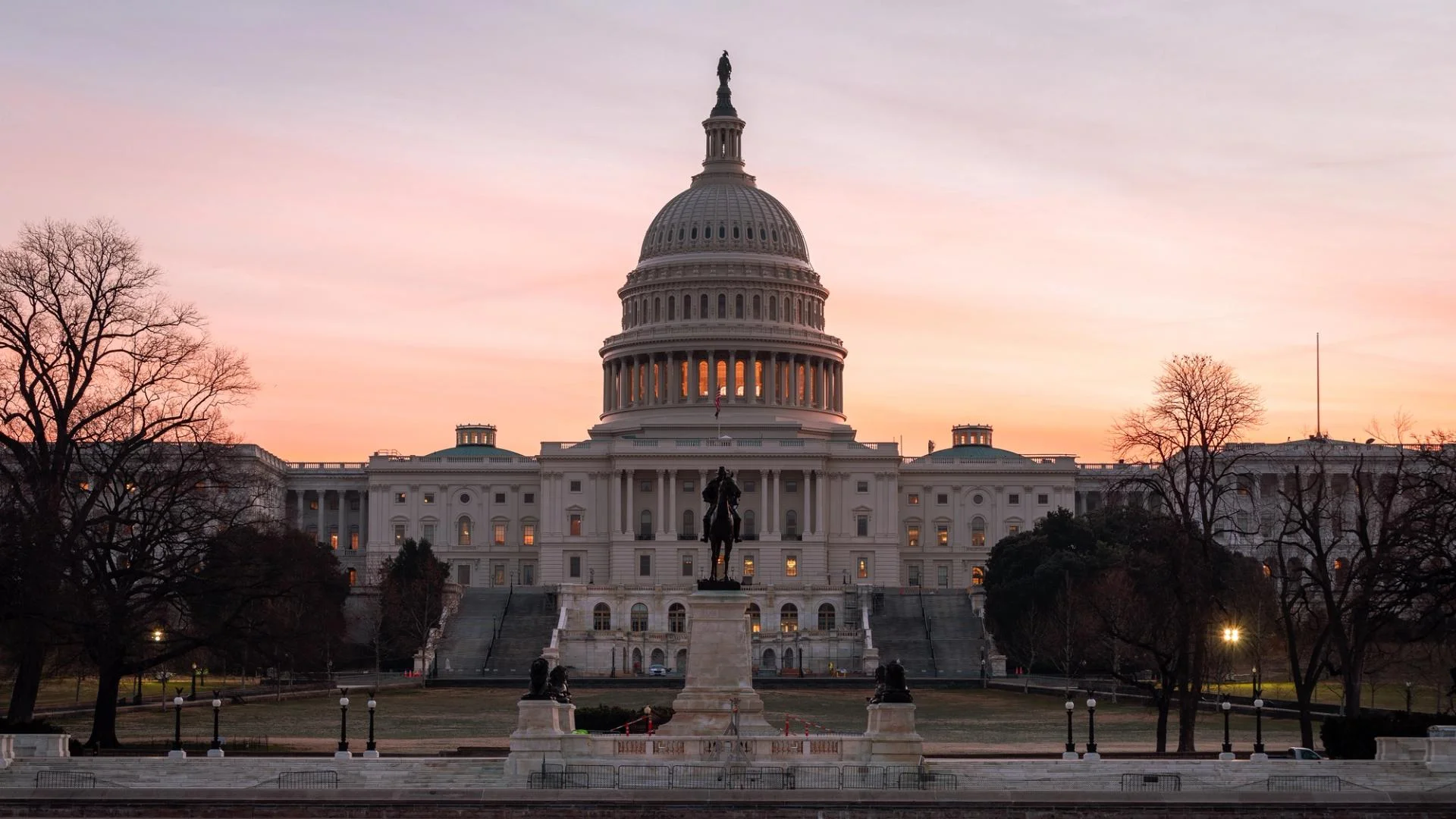


The US Senate is set to vote on September 15 on the Clarity Act, a digital-asset market structure bill that draws a jurisdictional line between the SEC and CFTC. Platforms serving American customers would have to register, customer assets would be held separately from operating funds, and issuers and exchanges would face new disclosure and conflict-of-interest rules. Blockchain Association CEO Summer Mersinger, a former CFTC commissioner, called on senators to advance the bill rather than wait for 'the next market failure to act.'
Why it matters
Mersinger framed the vote as a chance to close a jurisdictional gap that has been open since FTX's November 2022 collapse, when the CFTC discovered billions of dollars in misappropriated customer funds but lacked explicit authority over digital-asset spot markets. The Clarity Act would give both agencies a statutory basis to enforce, rather than stretching decades-old securities and commodities authorities onto a market they were never written for. Senate Banking and Agriculture Committees spent more than a year working through disputes over stablecoin rewards and illicit-finance provisions, and some of that negotiation is expected to continue after the procedural vote.
Market impact
More than 1,000 Americans have signed a coalition letter through ClarityForAmerica.com urging Senate leadership to advance the bill, signalling that demand for action extends beyond Washington. The Senate faced a similar judgment call last year on the GENIUS Act; Senator Mark Warner, a Democrat with reservations about parts of that bill, framed the standard as 'not perfect, but far better than the status quo.' GENIUS passed 68-30 and was signed into law. Critics have raised similar objections to Clarity, but Mersinger argued indefinite delay risks leaving the post-FTX status quo in place.
Frequently asked questions
-
What does the Clarity Act do?
The bill draws a jurisdictional line between the SEC and CFTC over digital-asset markets, requires platforms serving American customers to register, mandates that customer assets be held separately from operating funds, and imposes new disclosure and conflict-of-interest rules on issuers and exchanges.
-
When is the Senate vote on the Clarity Act?
The Senate is scheduled to vote on the Clarity Act on September 15.
-
Why is the bill being framed as urgent?
Blockchain Association CEO Summer Mersinger, a former CFTC commissioner, argues Congress has not closed the jurisdictional gap exposed by FTX's November 2022 collapse, leaving most digital assets without the consumer protections extended to existing securities and commodities.
-
What disputed provisions remain in the Clarity Act?
Disputes over stablecoin rewards and illicit-finance provisions took more than a year to work through the Senate Banking and Agriculture Committees, and some of that negotiation is expected to continue after the procedural vote.
-
How does the GENIUS Act precedent factor into the debate?
The Senate passed the GENIUS Act last year 68-30 after Senator Mark Warner, a Democrat with reservations about parts of the bill, framed the standard as 'not perfect, but far better than the status quo.' Mersinger applies that same standard to the Clarity Act.
 WatcherGuru
 CoinTelegraph
 Altcoin Daily
 Crypto News
 TheBlock