








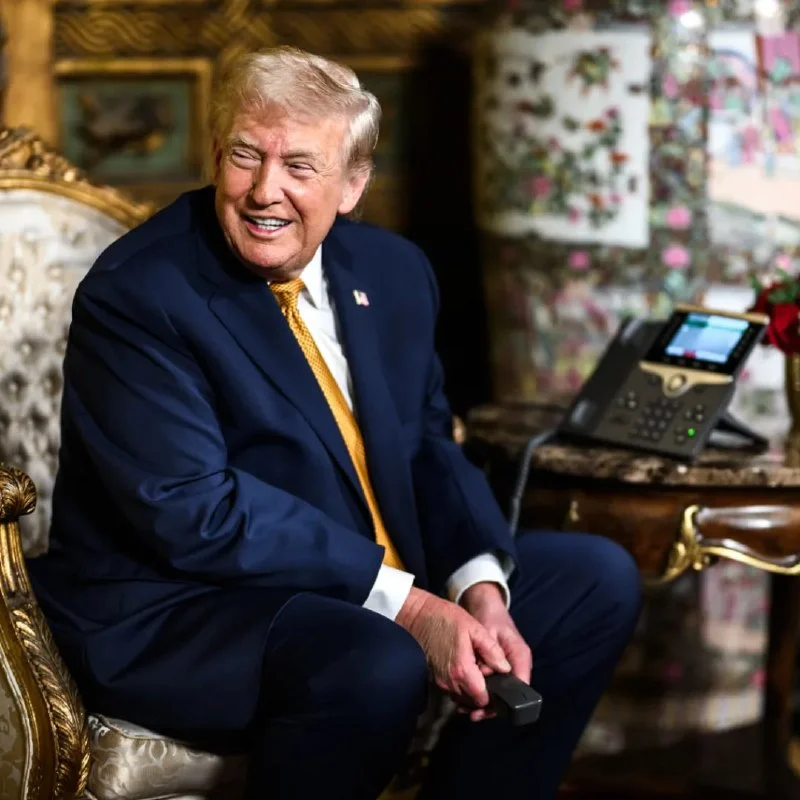

President Trump promoted several companies on Truth Social shortly after purchasing their stock, according to a CNN review of his social-media posts and recent disclosure filings. The pattern, repeated across multiple posts, places stock-picking commentary from a sitting president directly adjacent to his own active equity positions.
Why it matters
Public officials endorsing specific equities is unusual even when no law is technically violated. Federal insider-trading statutes require proof of a fiduciary duty or use of material non-public information, neither of which applies to a sitting president's open-market purchases disclosed in standard forms. The legal threshold may not be met, but the market-manipulation optics are not subtle: a Truth Social post from a sitting president moves retail order flow, and doing it days after a personal buy turns every subsequent endorsement into a conflict-of-interest flashpoint.
Market impact
The immediate reaction is reputational rather than mechanical. Equity desks are unlikely to position around the disclosures themselves, given how widely the patterns are now public, but regulatory scrutiny of the posts themselves, particularly any that preceded a discrete price move, becomes the next-order question. Watch for SEC or DOJ inquiries into whether any single post crossed from permissible commentary into material non-public-information territory; that distinction, not the pattern itself, is the line that actually matters.
Frequently asked questions
-
Did Trump break insider-trading law by buying and then promoting stocks?
Federal insider-trading statutes require proof of a fiduciary duty or material non-public information. A sitting president's disclosed open-market purchases do not clearly meet either threshold, so legal exposure is uncertain even as the optics are damaging.
-
Why is this a conflict of interest?
A sitting president endorsing specific equities moves retail order flow. Doing it days after personally buying the same names turns every subsequent Truth Social post into a potential conflict-of-interest flashpoint.
-
Could the SEC or DOJ investigate Trump over these Truth Social posts?
Regulators could probe whether any single post crossed from permissible commentary into material non-public-information territory. The pattern itself is the trigger; the per-post line is what any inquiry would test.
-
Do Trump's stock endorsements actually move prices?
Truth Social posts from a sitting president routinely generate retail attention, and prior instances of similar endorsements have produced measurable short-term price reactions in the named equities.
-
What disclosure rules apply to a sitting president's stock trades?
Presidents are not subject to the STOCK Act's transaction-reporting timelines that bind members of Congress. Disclosures rely on existing financial-reporting rules and historical practice rather than the same 45-day window.

 WatcherGuru
 WuBlockchain
 CryptoSlate
 Crypto News
 Crypto Rank News
 Benjamin Cowen
 CoinDesk