








 CoinDesk



A typical U.S. family home has gained more than $100,000 in nominal value since 2020, but priced in bitcoin the same property has fallen from more than 50 BTC to roughly 5 BTC, a 90% decline. The gap is the point, according to Zack Wainwright, a digital asset research analyst at Fidelity Digital Assets, who argued that what looks like housing appreciation is really a reflection of fiat erosion rather than a real gain in wealth.
Why it matters
The comparison turns the conventional wealth-effect story on its head. U.S. homeowners are not richer in real terms, they own a slice of a shrinking currency, and bitcoin's fixed 21 million supply is the cleanest yardstick for showing it. The framing matters because five years of inflation running above the Federal Reserve's 2% target have steadily diluted the dollar, and most balance sheets never get re-measured against a fixed-supply alternative. Gold, the Magnificent 7, and the Nasdaq would show a similar optical effect in varying degrees, but bitcoin's hard supply cap makes the contrast sharpest.
Market impact
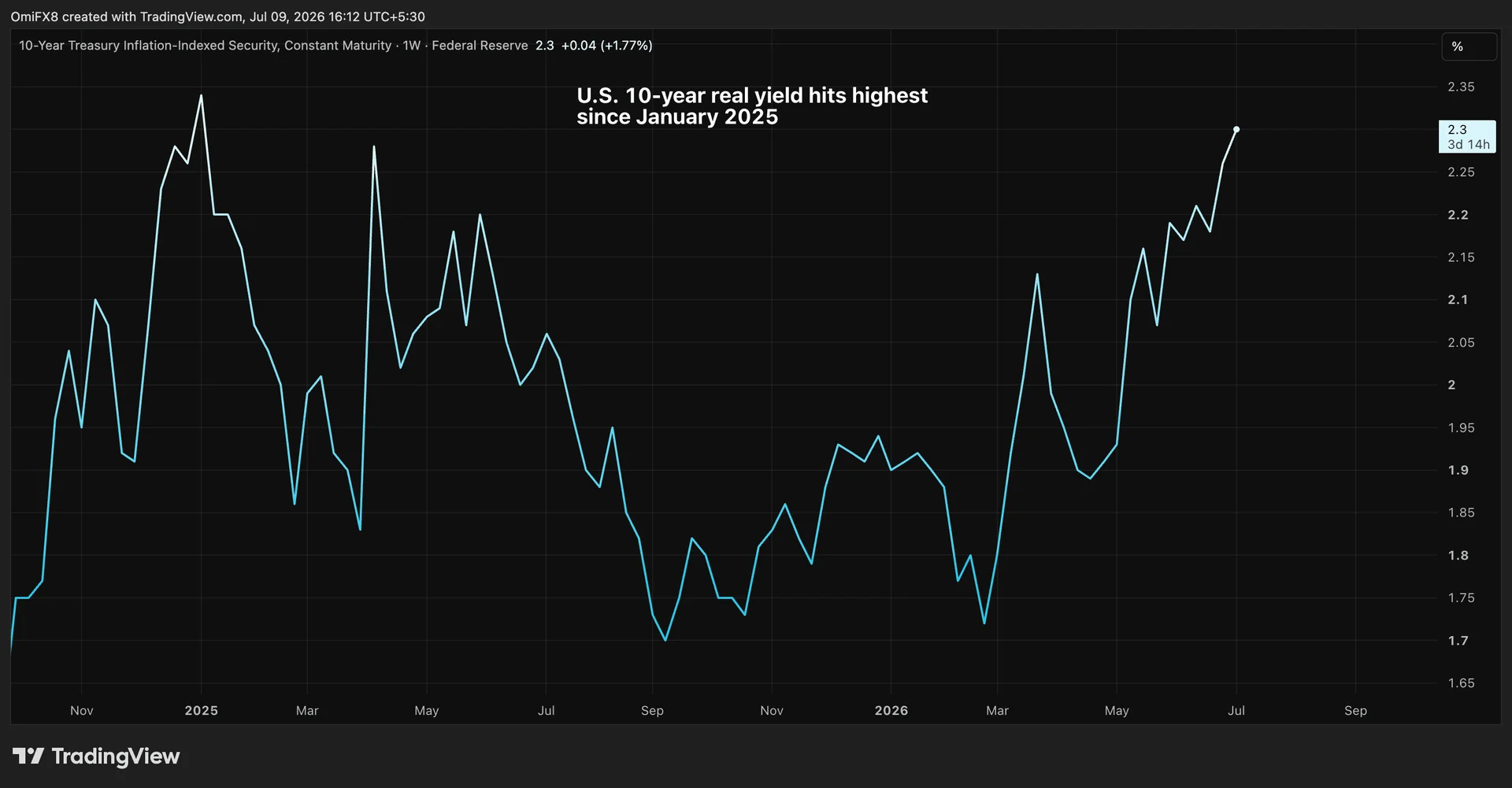
The bullish case for bitcoin as a long-term inflation hedge survives even with BTC itself halving from its October 2024 highs to around $63,000, the Fidelity note argues. Near-term price recovery, however, is conditional on ETF demand returning, with BlackRock's IBIT pulling in more than $200 million this week to end a record streak of multi-billion-dollar outflows. Investors should also weigh the 10-year real yield on TIPS climbing to 2.30%, its highest since January 2025, which raises the opportunity cost of holding non-yielding assets like bitcoin until that bid resumes in earnest.

Frequently asked questions
-
What did Fidelity say about U.S. house prices priced in bitcoin?
Fidelity Digital Assets analyst Zack Wainwright noted that a typical U.S. home that cost more than 50 BTC in 2020 now costs roughly 5 BTC, a 90% decline, arguing the apparent housing wealth effect reflects fiat erosion rather than real asset gains.
-
Why does pricing homes in bitcoin expose dollar debasement?
Bitcoin has a fixed supply of 21 million coins and a transparent issuance schedule, so a falling BTC price for the same house signals that the dollar has lost purchasing power rather than that the asset itself has lost value.
-
How much have U.S. house prices risen in dollar terms since 2020?
According to Fidelity Digital Assets, a typical U.S. house has gained more than $100,000 in nominal value since 2020, while inflation has run above the Fed's 2% target for more than five years.
-
What role do bitcoin ETFs play in near-term price recovery?
Fidelity tied near-term BTC recovery to the return of ETF demand, noting that BlackRock's IBIT pulled in over $200 million this week, ending a record streak of multi-billion-dollar outflows.
-
What is the headwind from real yields for bitcoin right now?
The 10-year TIPS yield has climbed to 2.30%, its highest since January 2025, giving investors a positive inflation-adjusted return and raising the opportunity cost of holding non-yielding assets like bitcoin and gold.
 TheBlock
 Glassnode
 CryptoSlate
 Lookonchain
 WuBlockchain