








 WatcherGuru
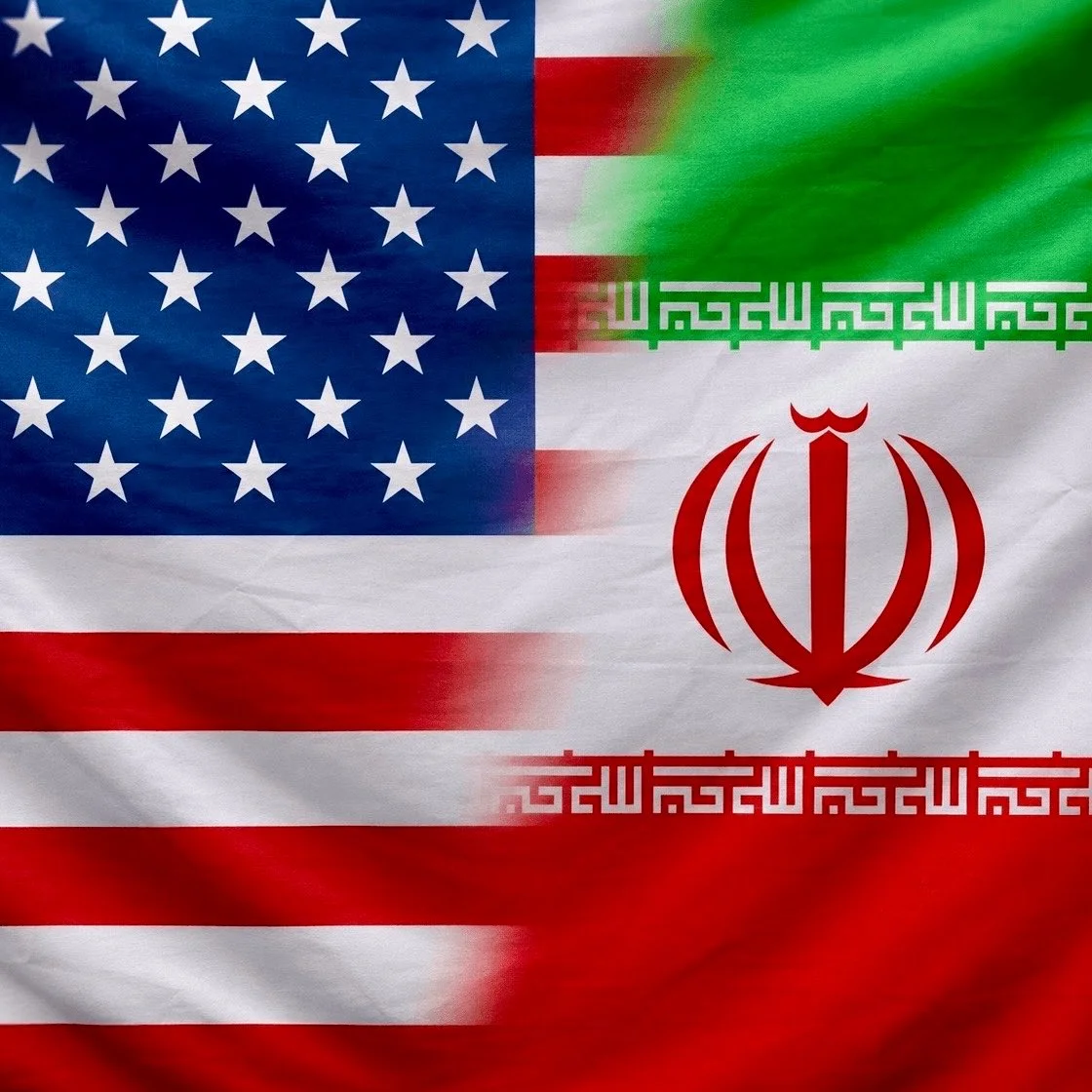

The Pentagon's running cost for the US-Iran conflict has crossed $37.5 billion, according to a just-published tally that draws on Defense Department and combatant-command disbursement data. The figure covers direct munitions expenditure, deployment logistics, and incremental operations-and-maintenance spend tied to the theater.
Why it matters
The number matters less for its size than for its politics. Roughly $37.5B is a rounding error inside the broader defense topline, but it lands at exactly the moment debt-ceiling politics and FY2027 appropriations are about to collide. Every dollar spent on Iran so far has been reprogrammed from existing O&M and procurement lines, not appropriated. That makes the conflict a fiscal event as much as a geopolitical one, with budget hawks already flagging the lack of a supplemental request.
Market impact
Risk-off positioning tends to harden when an open-ended military engagement meets a closed-end budget process. The $37.5B figure will feed into the next CBO scoring run and into any discussion of a war-powers-style funding debate, both of which traders treat as duration-risk events. Watch the next Treasury refunding announcement and any supplemental request from the Pentagon; either will set the tone for the rates curve and for defense primes carrying Iran-theater exposure.
Frequently asked questions
-
What does the $37.5B Iran-war cost cover?
The tally covers direct munitions expenditure, deployment logistics, and incremental operations-and-maintenance spend tied to the US-Iran theater, drawn from Defense Department and combatant-command disbursement data.
-
Has Congress appropriated any of the $37.5B?
No. The funds have been reprogrammed from existing O&M and procurement lines, with no supplemental request and no war-powers-style funding debate yet attached to the conflict.
-
Why does $37.5B matter for markets?
It is small relative to the broader defense topline, but it lands during debt-ceiling politics and FY2027 appropriations, a collision that turns an open-ended military engagement into a fiscal event traders read as duration risk.
-
How could this affect Treasury issuance or rates?
An unfunded multi-billion theater spend feeds directly into the next CBO scoring run and any Treasury refunding decision. Either a war-powers funding debate or a quiet supplemental request would reset the rates curve.
-
Which sectors are most exposed if costs keep climbing?
Defense primes carrying Iran-theater munitions and logistics exposure are the most direct equity read, while broader risk-off positioning tends to harden around any signal that supplemental funding is imminent.
 WuBlockchain
 CoinTelegraph
 CryptoSlate
 TheBlock