








 WatcherGuru

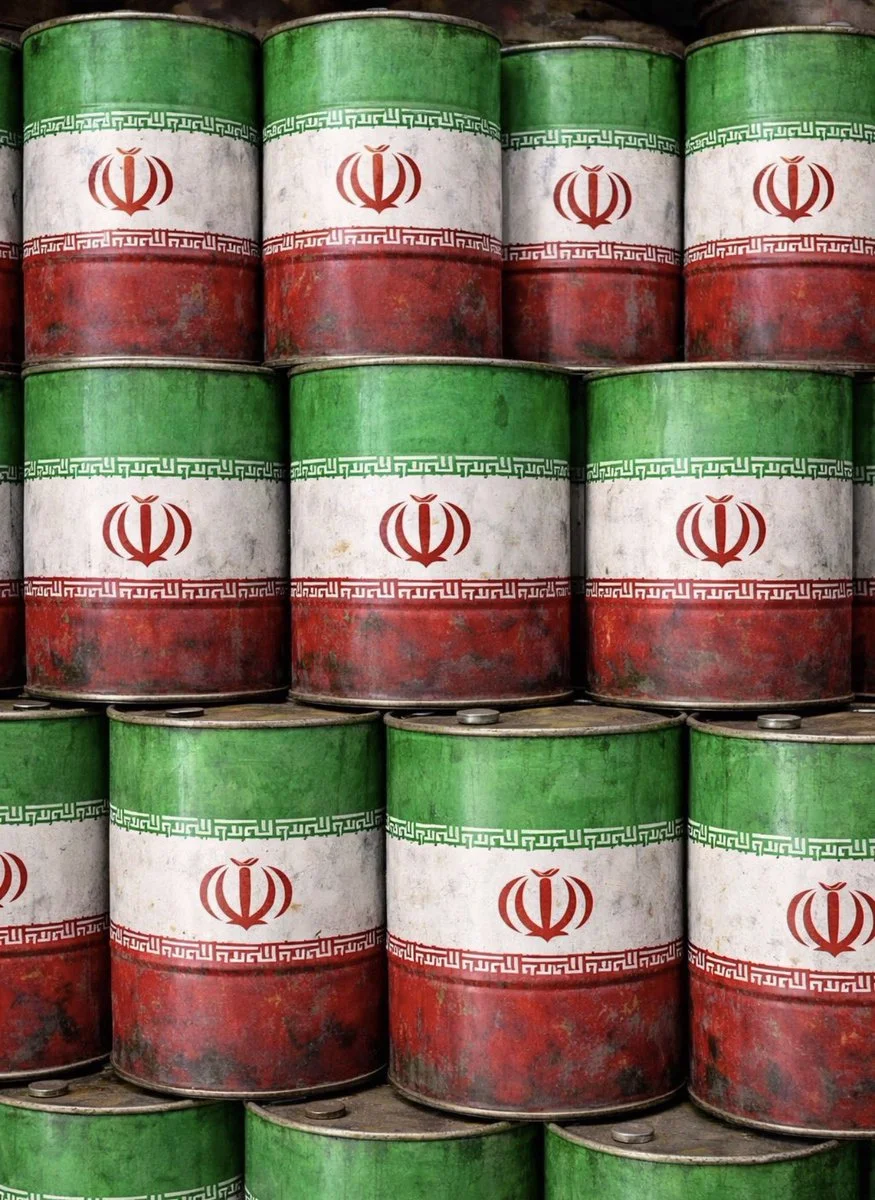
The US Treasury issued a 60-day general license authorizing the sale, production, and delivery of Iranian oil, a temporary window that lets existing crude already in the supply chain reach buyers without running afoul of secondary sanctions. The carve-out covers production, delivery, and sale but does not lift the underlying sanctions architecture against Iranian energy exports.
Why it matters
The move is widely read as a price-cap play: a short, controlled release eases near-term tightness in physical crude without the diplomatic cost of a formal sanctions rollback. Energy markets had been bracing for a tighter Q3 after a summer of conflict-driven disruptions, and a managed release window limits upside on Brent and WTI. For Iran, the license is a tactical lifeline: crude that was already in transit or storage can clear at market prices before the window closes.
Market impact
Brent and WTI futures dipped on the headline before stabilizing as traders parsed the limited scope. Watch the next 60 days: extension, expiry, or replacement with a tighter license will dictate the path for energy-sensitive equities, EM currencies, and the broader risk-on tape.
Frequently asked questions
-
What did the US Treasury actually authorize?
A 60-day general license that permits the sale, production, and delivery of Iranian oil. It is a temporary carve-out from secondary sanctions and does not lift the underlying sanctions regime.
-
Does this mean US sanctions on Iran are over?
No. The license is a narrow, time-limited exception covering existing crude in the supply chain. The broader sanctions architecture against Iranian energy exports remains intact.
-
Why is the US doing this now?
Markets read it as a price-cap stopgap: a controlled release of existing crude eases near-term tightness in physical oil without the diplomatic cost of a formal sanctions rollback.
-
How did oil prices react?
Brent and WTI futures dipped on the headline before stabilizing as traders parsed the limited scope and the 60-day expiration.
-
What happens after 60 days?
The license expires unless Treasury extends, modifies, or replaces it. Any of those moves will be a key catalyst for energy equities and the broader risk-on tape.
 CoinDesk
 Crypto News
 Crypto Rank News
 CryptoSlate
 CoinTelegraph