








 CoinTelegraph
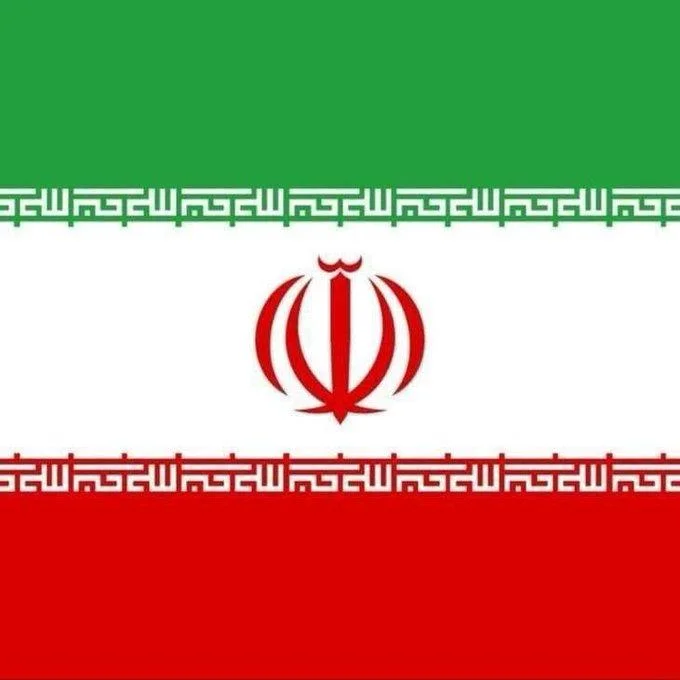

A U.S. Senate investigation found that 84% of wallets sanctioned over ties to Iran transacted exclusively or nearly exclusively in Tether’s USDT, the Wall Street Journal reported.
Why it matters
The finding focuses attention on the role of a widely used dollar-pegged stablecoin in transactions involving sanctioned wallets. It may intensify questions for lawmakers and regulators about how stablecoin activity linked to sanctions is monitored.
Market impact
The investigation’s finding adds regulatory scrutiny for Tether, but the reported figure alone does not establish the scale or value of the transactions. The policy response and any further details about the wallets could shape how authorities approach stablecoin oversight.

Frequently asked questions
-
What did the Senate investigation find about USDT use?
It found that 84% of wallets sanctioned over ties to Iran transacted exclusively or nearly exclusively in Tether’s USDT.
-
Does the 84% figure measure the value of transactions?
No. The finding concerns the share of wallets, not the value of transactions.
-
Why could the finding matter to Tether?
It may increase regulatory scrutiny of how Tether’s USDT is used in transactions involving sanctioned wallets.
-
Does the finding establish the scale of the transactions?
No. The reported figure identifies the share of wallets using USDT, but does not quantify transaction value.
-
What is the key regulatory issue raised by the investigation?
The finding puts attention on how stablecoin activity involving sanctioned wallets is monitored.
 WatcherGuru
 CoinDesk
 WuBlockchain
 CryptoSlate
 TheBlock