








 CoinDesk
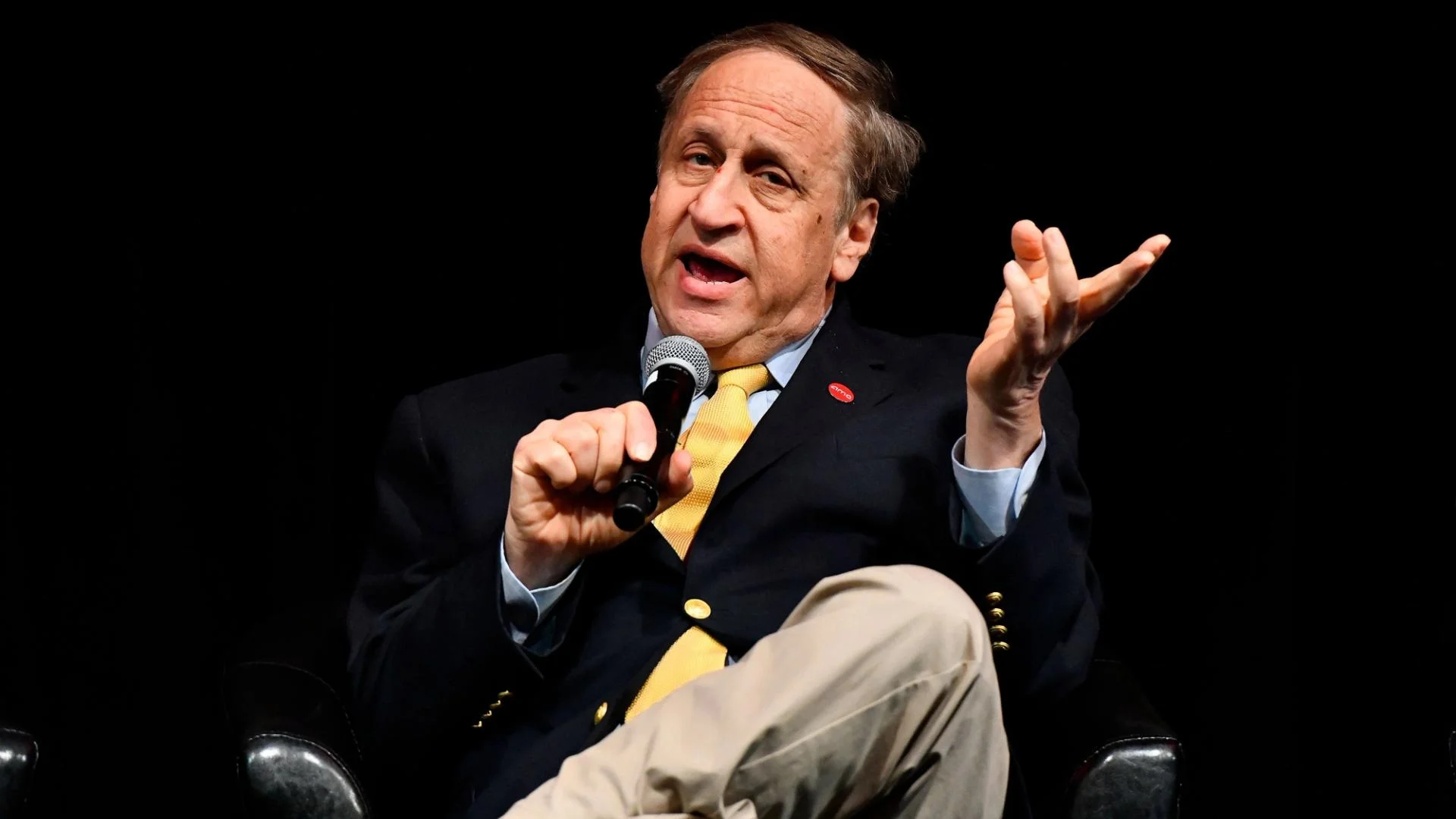


AMC Entertainment CEO Adam Aron escalated his public fight with Robinhood on Friday, calling on the brokerage to "cease and desist" trading tokens linked to AMC shares and threatening legal action over synthetic products he said strip investors of shareholder rights and undermine capital raising. The clash lands as the tokenized stock market has reached $3.6 billion, with Citi projecting $5.5 trillion of tokenized assets by 2030 including $2.7 trillion of equities, putting the synthetic-versus-custody model directly in the regulatory crosshairs.
Why it matters
The dispute is the highest-profile stress test yet of synthetic stock tokens, where Robinhood issues price-tracking wrappers without holding the underlying shares in custody. Aron said the products set up "some kind of fictitious synthetic equity market" that decouples token ownership from a company's ability to control its capital raising and uses the issuer's name without consent. He pointed to Robinhood's offshore structure in Jersey, questioned whether the tokens comply with US securities laws, and said AMC would escalate the issue to the SEC.
Tokenization executives who otherwise favor putting equities onchain largely sided with Aron. Backpack CEO Armani Ferrante, whose firm offers custody-backed tokenized US equities on Solana, said buy pressure on a synthetic token does not necessarily hit the underlying stock. Archax CEO Graham Rodford drew the line more sharply: "A tokenized stock should mean the stock, tokenized." Fairmint CEO Joris Delanoue framed the principle as "a token is not equity, but equity can be a token." Securitize CEO Carlos Domingo pointed to one AMC-linked trading pair priced at roughly 60 times the reference share, evidence that synthetic wrappers can decouple from the underlying.
Market impact
The fight is likely to sharpen regulatory scrutiny of synthetic wrappers specifically, while custody-backed and issuer-sponsored tokenization models gain ground.
Frequently asked questions
-
What did AMC's CEO ask Robinhood to do?
Adam Aron called on Robinhood to "cease and desist" trading tokens linked to AMC shares, threatened legal action, and said AMC would escalate the issue to the SEC.
-
Why is AMC's CEO fighting Robinhood's stock tokens?
Aron argues the synthetic tokens set up a parallel market that decouples demand from AMC's actual shares, strips investors of shareholder rights, and uses the company's name without consent.
-
What is a synthetic stock token?
It is a wrapper that tracks an equity's price without the issuer holding actual shares in custody. Robinhood's products are synthetic, structured through an offshore entity in Jersey, and not available to US customers.
-
How big is the tokenized stock market?
CoinDesk Research puts the current tokenized stock market at $3.6 billion. Citi projects $5.5 trillion of tokenized assets by 2030, including $2.7 trillion of equities.
-
What did tokenization executives say about the dispute?
Backpack's Armani Ferrante said synthetic-token demand does not necessarily flow to the underlying stock. Archax's Graham Rodford said "a tokenized stock should mean the stock, tokenized." Securitize's Carlos Domingo flagged one AMC-linked pair trading at roughly 60x the reference share.
 WatcherGuru
 CoinTelegraph
 CryptoSlate