








 CoinDesk
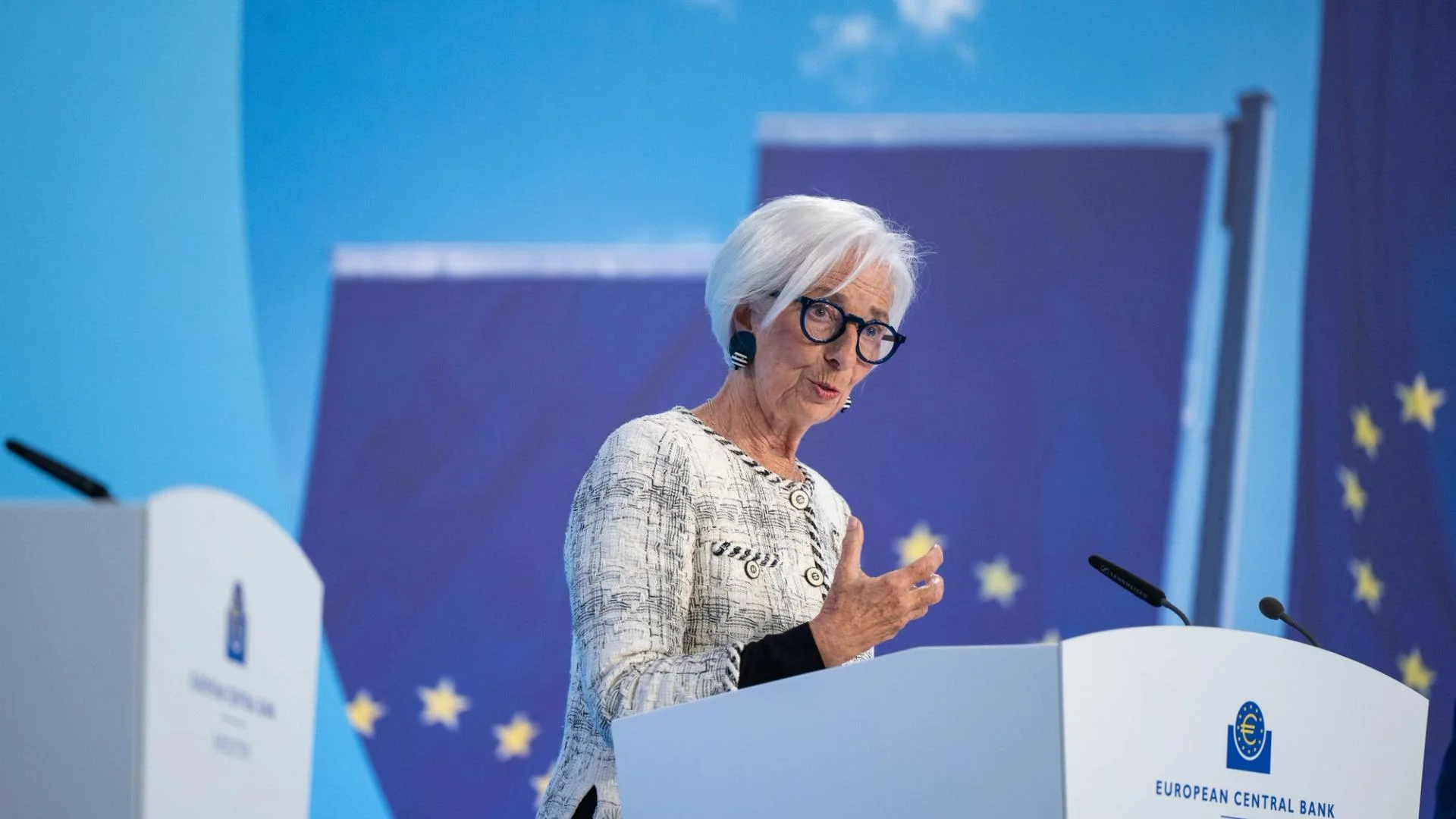



ECB President Christine Lagarde personally intervened to delay Binance's application for a MiCA license in Greece, the Wall Street Journal reported. The Greek application had previously been deemed complete, but a senior regulator told Binance the decision should wait until the European Securities and Markets Authority takes over licensing under a proposed reform that has not yet been adopted. Binance withdrew its application in June while saying it still plans to seek authorization under MiCA.
Why it matters
MiCA approvals are issued by national regulators, and approval in one EU country allows a crypto service provider to operate across the bloc. The Hellenic Capital Market Commission was therefore the formal authority handling Binance's request. The ECB has no institutional role in authorizing crypto-asset service providers, according to an ECB spokesperson, but the central bank is concerned that Binance's scale could accelerate the use of dollar-based stablecoins and challenge the digital euro and euro-denominated alternatives.
The episode also puts Binance's compliance record back at the center of Europe's licensing debate. The WSJ reported that ESMA privately advised national regulators to reject Binance applications because of past compliance concerns. Binance said it remains committed to becoming MiCA-authorized and providing a regulated service across Europe. Its founder, Changpeng Zhao, pleaded guilty in the United States in 2023 to violating the Bank Secrecy Act, with Binance agreeing to pay $4.3 billion in fines.
Market impact
The immediate impact is regulatory rather than a direct market move: Binance has lost its Greek route into the EU for now, while the broader MiCA framework faces pressure over who should control bloc-wide crypto licensing. A future ESMA role would centralize decisions that currently sit with national authorities.
For stablecoin markets, the dispute signals that European regulators are weighing monetary sovereignty alongside consumer protection and compliance. Binance's next authorization attempt, and whether EU governments adopt the proposed licensing reform, are the key developments to watch.
Frequently asked questions
-
Why did Binance withdraw its Greek MiCA application?
Binance withdrew the application in June after Greece's regulator decided not to approve it at the last minute. The company said it still intends to pursue authorization under MiCA.
-
Who formally approves MiCA licenses in the European Union?
MiCA approvals are formally granted by national regulators in individual EU countries. Approval in one country allows the crypto service provider to operate across the bloc.
-
What role did the ECB reportedly play in the Binance case?
The ECB has no formal authority to license crypto-asset service providers, but Lagarde reportedly intervened to delay the Greek decision. The concern centered on Binance's scale and dollar-based stablecoins.
-
Why are dollar-based stablecoins a concern for the ECB?
The ECB is concerned that wider use of dollar-based stablecoins could undermine the digital euro and euro-denominated alternatives. Binance's scale could increase that pressure across the European market.
-
What could change if ESMA takes over crypto licensing?
A proposed EU reform could give ESMA a larger role in licensing crypto exchanges, shifting authority away from national regulators. The reform has not yet been adopted.
 WuBlockchain
 CoinTelegraph
 Lookonchain
 CryptoSlate
 Crypto News