


 CoinDesk
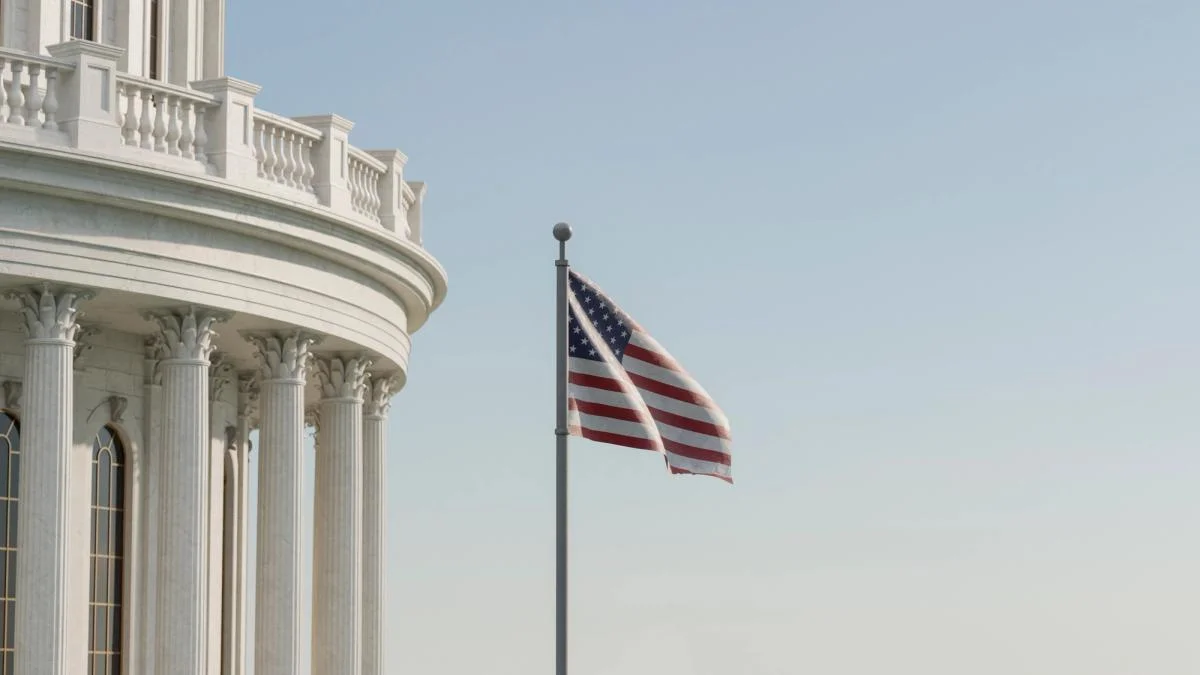


The next Congress will inherit an unfinished crypto-policy agenda as new leadership takes shape in Washington, writes Blockchain Association’s Lindsay Fraser. The priorities include comprehensive market-structure legislation, clearer SEC and CFTC responsibilities, workable tax rules and protections for consumers and open-source developers.
Why it matters
The article argues that regulatory clarity could help protect the millions of Americans already using digital assets while giving businesses rules they can understand. An Ipsos survey cited by Fraser found that 22% of Americans had owned or used crypto, including 24% of Republicans and 21% of Democrats. The association also points to potential uses such as faster, more affordable cross-border dollar transfers through stablecoins and more efficient capital markets through tokenization.
Congress has a starting point: the GENIUS Act became law, and the CLARITY Act passed the House with support from 216 Republicans and 78 Democrats. But the Senate did not advance market-structure legislation in September, leaving key questions unresolved, including how to divide oversight between the SEC and CFTC and whether the CFTC should oversee digital-commodity spot markets.
Market impact
For crypto businesses, the policy debate affects where they can operate and what rules apply to issuance, trading, reporting and customer safeguards. Fraser also calls for protections for open-source developers who do not control customer funds, and tax changes that would ease reporting for small transactions and tax staking rewards upon disposal.
The piece frames bipartisan cooperation as essential to a durable framework. Treasury and federal banking regulators are implementing the GENIUS Act, while the SEC and CFTC are advancing initiatives that will also shape the regulatory landscape.
Frequently asked questions
-
What crypto legislation has Congress already advanced?
The GENIUS Act became law, and the CLARITY Act passed the House with support from 216 Republicans and 78 Democrats.
-
What market-structure questions remain unresolved?
The agenda includes clarifying SEC and CFTC responsibilities and setting rules for issuing and trading digital assets, including possible CFTC oversight of digital-commodity spot markets.
-
What share of Americans had owned or used crypto in the cited survey?
The Ipsos survey cited by Lindsay Fraser found that 22% of Americans had owned or used crypto, including 24% of Republicans and 21% of Democrats.
-
What changes does the article propose for crypto tax rules?
It calls for relief from reporting requirements on small everyday transactions and for staking rewards to be taxed when disposed of.
-
Why does the article call for protections for open-source developers?
It argues that developers who do not hold or control customer funds should be distinguished from financial intermediaries and protected so they can build in the United States.
 CoinTelegraph
 WatcherGuru
 CryptoSlate
 WuBlockchain
 Crypto News