








 CoinDesk

Digital-asset investment products shed $1.47 billion last week, the second straight week of redemptions and the third-largest weekly outflow of 2026, according to CoinShares data. Cumulative outflows over the two weeks now stand at $2.54 billion, with altcoin ETFs also seeing material moderation in flows as a risk-off bid pulls capital out of the complex.
Why it matters
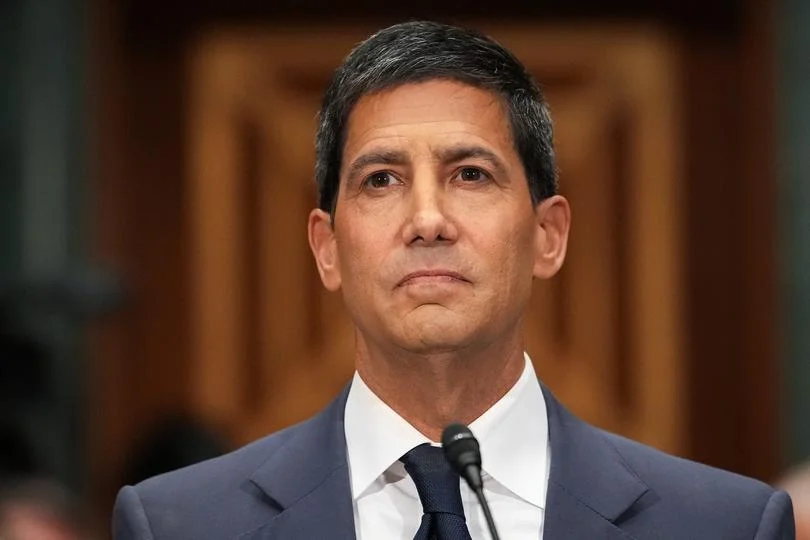
CoinShares head of research James Butterfill attributed the acceleration to a deepening, broadening Iran-related risk-off even as the CLARITY Act continues to clear procedural hurdles. The macro channel is doing most of the work: bond traders have ramped up bets that new Federal Reserve Chair Kevin Warsh will keep policy rates higher for longer, and the yield curve is reflecting that view. The 2s10s spread widened by more than 12 basis points last week, driven primarily by a faster rise in the two-year yield — the maturity most sensitive to rate expectations. The 5s30s spread widened in parallel, flashing the same message: borrowing costs stay elevated into the near term.
Higher-for-longer rates are structurally bearish for zero-yielding assets and risk-on emerging technology, and Bitcoin sits squarely in both buckets. Capital isn't disappearing — Butterfill's read is that investors are redeploying into the upcoming SpaceX IPO, which could be the largest listing ever, and into commodities as oil-flow disruptions through the Strait of Hormuz keep Brent bid.
Market impact
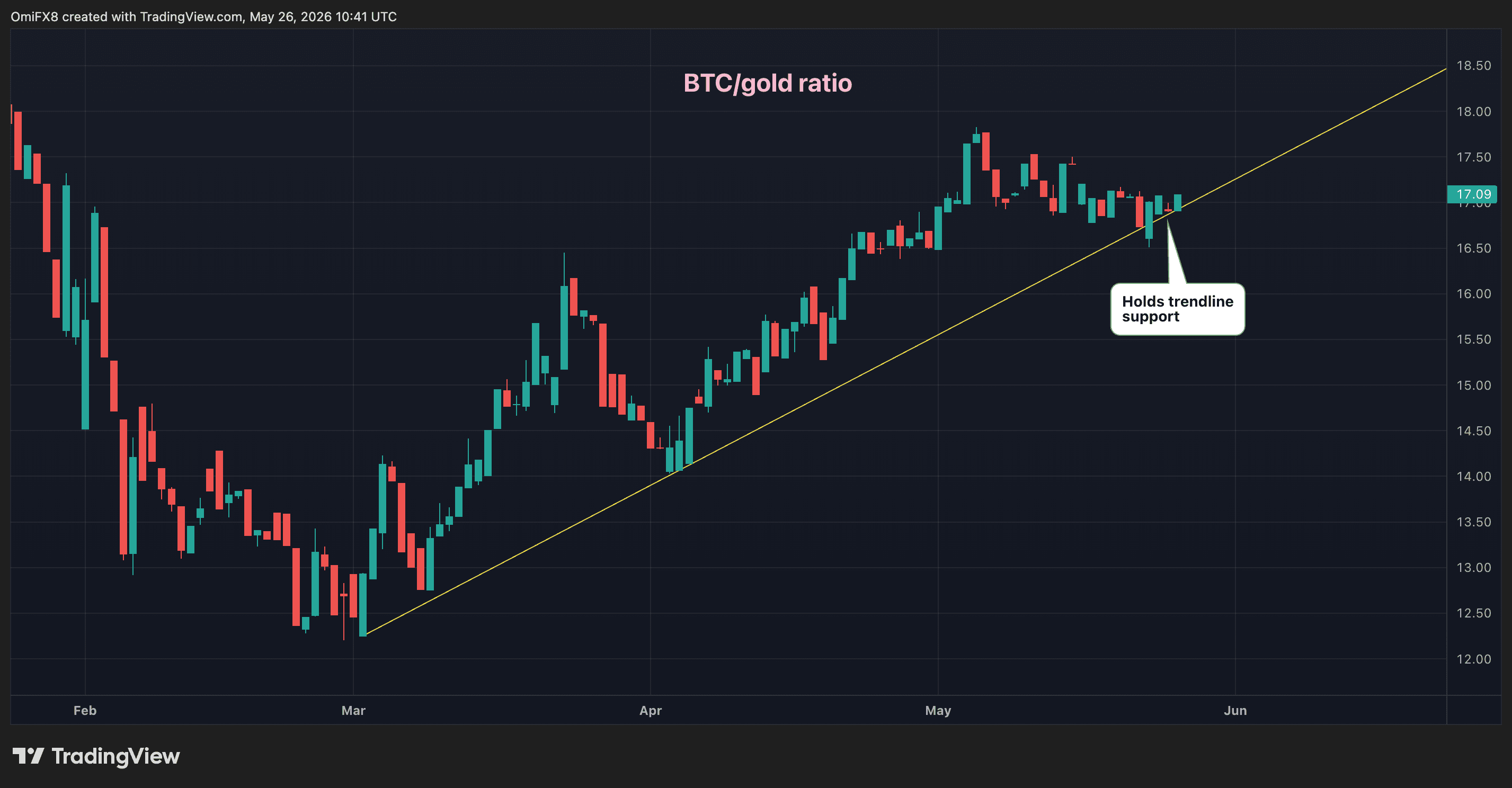
The setup going into the week's core PCE print on Thursday is fragile: a hotter-than-expected Fed-preferred inflation gauge would ratify the curve move and likely extend the ETF redemption streak, while a softer print gives the bulls the first macro relief in two weeks. Bitcoin's ratio against gold is still holding its March-up trendline support, leaving the next tape-reading pivot obvious — but the macro tailwind now runs through bond markets, not crypto-native flows.

Frequently asked questions
-
How much did Bitcoin ETFs lose last week?
Digital-asset investment products recorded $1.47 billion in outflows in the week ended May 26, 2026, according to CoinShares. That marked the second consecutive week of redemptions and the third-largest weekly outflow of 2026.
-
What is driving the Bitcoin ETF outflows?
Bond traders are pricing in higher-for-longer interest rates under new Fed Chair Kevin Warsh. The 2s10s Treasury spread widened more than 12 basis points last week, signaling expectations of elevated borrowing costs weighing on zero-yielding assets like Bitcoin.
-
What did CoinShares' James Butterfill say about the outflows?
Butterfill said cumulative outflows over the two weeks now stand at $2.54 billion, suggesting the Iran-related risk-off has deepened and broadened despite continued CLARITY Act progress.
-
Where is the capital rotating instead of crypto ETFs?
Per CoinShares, investors appear to be redeploying into upcoming IPOs — notably SpaceX, which could be the largest listing ever — and into commodities, which are rallying amid oil-flow disruptions through the Strait of Hormuz.
-
What data point could reverse the bearish ETF trend?
Thursday's core PCE release — the Fed's preferred inflation gauge — is the next major catalyst. A softer print would give bulls their first macro relief in two weeks, while a hot reading would likely ratify the bond market's hawkish repricing and extend the outflow streak.
 WuBlockchain
 Lookonchain
 Crypto News
 CoinTelegraph
 WatcherGuru
 CryptoSlate