








 CoinDesk
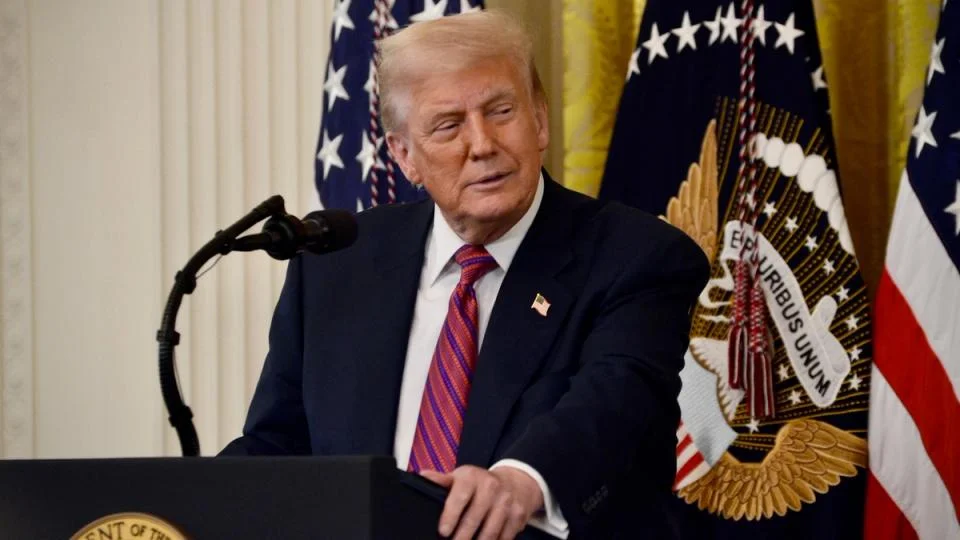



A four-year ban on a U.S. central bank digital currency becomes law at midnight along with the bipartisan housing-affordability bill, after President Donald Trump declined to sign the legislation. Under Article I of the Constitution, a bill presented to the president becomes law automatically after a 10-day window if he neither signs nor formally vetoes it. The CBDC provision blocks the Federal Reserve from issuing a retail digital dollar that could compete with privately issued stablecoins through the end of 2030, regardless of future executive direction.
The restriction was unrelated to housing policy but had Republican support, with lawmakers previously attempting to attach it to the Foreign Intelligence Surveillance Act and other vehicles. The crypto industry had lobbied for years against a Fed-issued digital dollar, framing it as a potential tool of government surveillance over consumer finances. Fed leadership, including former chairs and current chair Kevin Warsh, had long said any such effort would require explicit White House backing and congressional authorization that never materialized.
Why it matters
The ban does not change the Fed's near-term plans, since the central bank was not on a path to issue a digital dollar. What it does is close the door on a structural alternative to private stablecoins through 2030, lifting a long-running political overhang for issuers in that market. Other jurisdictions, including Europe and China, continue to pursue digital currency programs, leaving the U.S. as an outlier in the policy choice if not in the market outcome. Trump used the bill to protest the Senate's failure to advance the SAVE AMERICA Act on voter identification, declining to sign the housing measure even after a signing ceremony and stage had been prepared.
Market impact
For stablecoin issuers and the broader digital asset sector, the four-year freeze removes the political risk that a competing Fed instrument could pressure private market share.
Frequently asked questions
-
What does the new U.S. CBDC ban actually prohibit?
The provision bars the Federal Reserve from issuing a retail digital dollar that could compete with privately issued stablecoins for four years, expiring at the end of 2030.
-
Why is the ban becoming law without Trump's signature?
Under Article I of the Constitution, a bill presented to the president becomes law automatically after a 10-day window if he neither signs nor formally vetoes it, which is the path this housing bill is taking.
-
Was the Federal Reserve actually planning to issue a CBDC?
No. Fed leadership, including chair Kevin Warsh, had said any such effort would require White House backing and congressional authorization that never materialized.
-
Which stablecoins or programs gain from this ban?
Privately issued U.S. dollar stablecoins face no competing Fed instrument through 2030, removing a structural threat the crypto industry had lobbied against for years.
-
Could the ban be reversed before 2030?
Yes, a future Congress and president could repeal the restriction, but doing so would require passing new legislation before the four-year window expires.
 CoinTelegraph
 CryptoSlate
 WatcherGuru
 Crypto News