








 CryptoSlate
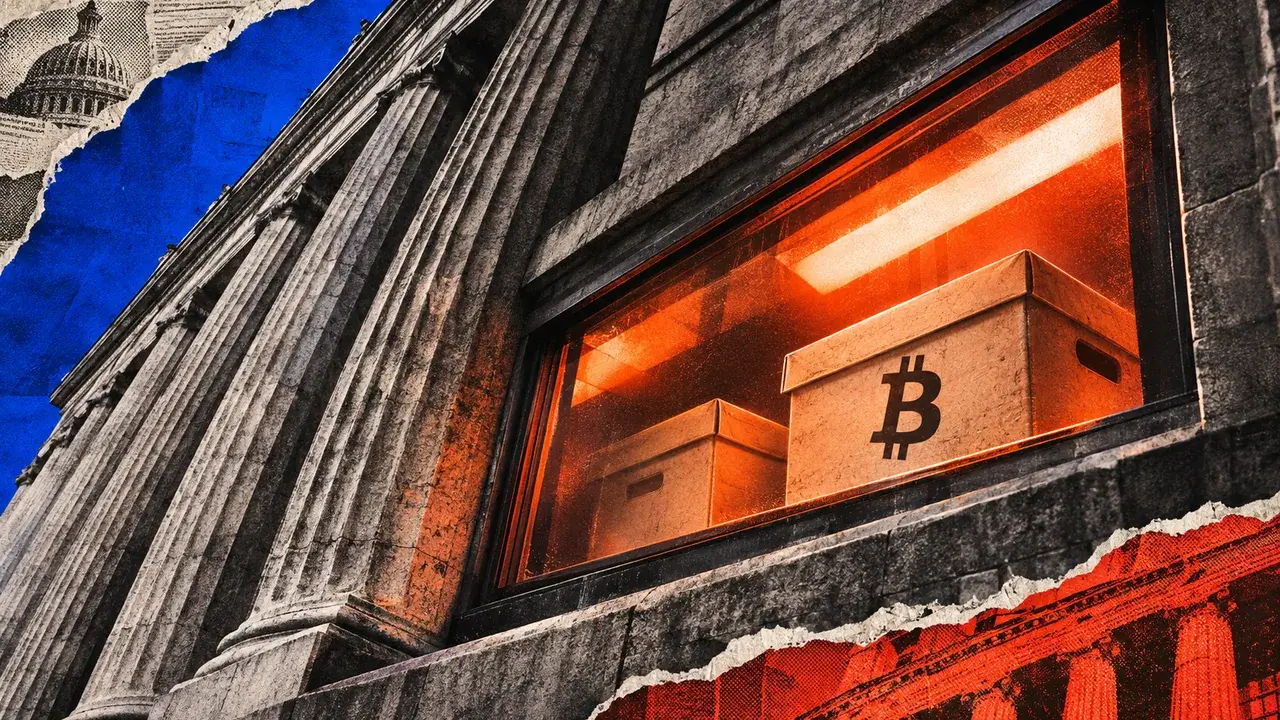

A bill that would bar the US Treasury from selling or pledging Bitcoin deposited in the Strategic Bitcoin Reserve for 20 years has advanced to the House Union Calendar. The House Financial Services Committee reported the amended American Reserve Modernization Act of 2026 on Nov. 24, following its 28-21 vote in September. The measure still needs approval from the House and Senate.
Why it matters
Introduced by Republican Representative Nick Begich, the bill would give statutory backing to the reserve established by President Donald Trump's March 2025 executive order. It would require Treasury to publish cryptographic attestations and annual reports on reserve holdings, transactions and control of private keys, with an independent auditor verifying the disclosures.
That could help distinguish Bitcoin owned by the reserve from assets held in government custody that remain subject to legal proceedings or restitution claims. Agencies would inventory their crypto holdings within 60 days of enactment, and Treasury would have six months to establish the statutory reserve and a separate stockpile for other digital assets.
Market impact
The proposed lockup would restrict the sale or use as collateral of Bitcoin deposited in the reserve for at least 20 years from enactment. After that period, potential sales could reach 10% of reserve assets over any two-year period. Treasury would recommend whether to continue holding or gradually reduce the position two years before the lockup expires.
Treasury and Commerce would also study ways to expand the reserve without increasing national debt or imposing additional costs on taxpayers. Congress must pass the bill before the current session ends in January or it would need to be reintroduced.

Frequently asked questions
-
How would Treasury verify the Bitcoin reserve?
The bill would require public cryptographic attestations and annual reports on holdings, transactions and control of private keys. An independent auditor would verify the disclosures.
-
Why does reserve ownership differ from government custody?
Government custody can include seized Bitcoin that remains subject to legal proceedings or restitution claims. The proposed disclosures could help distinguish those assets from Bitcoin owned by the reserve.
-
What happens to reserve Bitcoin after the proposed lockup?
After the 20-year period, potential sales could reach 10% of reserve assets over any two-year period. Treasury would recommend whether to keep holding or gradually reduce the position before the lockup expires.
-
Would the bill cover government-held assets other than Bitcoin?
Yes. Federal agencies would inventory their crypto holdings, and Treasury would establish a separate stockpile for other digital assets.
-
What happens if Congress does not pass the bill before January?
The bill would need to be reintroduced in the next session. The existing Bitcoin reserve would remain governed by executive action without the proposed public auditing requirements.
 CoinDesk
 CoinTelegraph
 TheBlock