








 CoinDesk
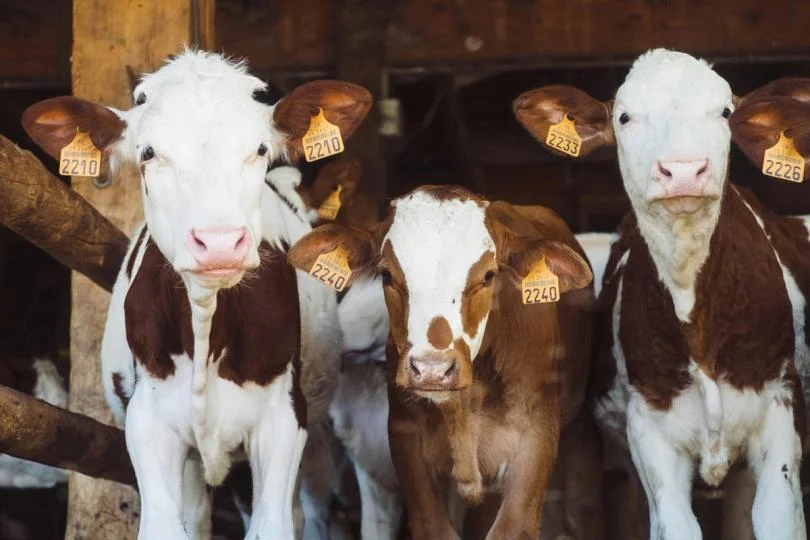



Ten dairy cows in Paraná, Brazil, became the first livestock tokens listed on the country's B3 national stock exchange this month, generating roughly $20,000 in credit for farmers shut out of bank lending. The pilot, run by agtech firm Cowmed, attached AI-powered Smarty Collars to each animal so its health, behavior, and location stream into an encrypted digital identity that B3 registers as movable collateral.
The structure solves a real friction point. Continuous tracking prevents farmers from pledging the same cow across multiple loans, and a swap clause lets a dead animal be replaced with a live one without unwinding the credit agreement. For small agricultural operators facing tighter bank underwriting, that turns cattle from illiquid farm infrastructure into a tradable balance-sheet asset.
Why it matters
Cowmed already monitors about 100,000 dairy cows across more than 1,000 farms, a herd valued above $395 million. If 20% of that network adopts the tokenized financing model, the company projects $77.6 million in fresh agricultural credit unlocked, a meaningful step beyond the pilot's headline figure. The deal lands inside a much larger institutional thesis: McKinsey forecasts tokenized assets reaching roughly $4 trillion by 2030, while Standard Chartered projects $30 trillion by 2034. Current total tokenized value sits at about $25 billion as of March 2026, meaning the runway from today's base to either forecast is the story, not the Brazilian pilot itself.
Market impact
The immediate read is less about price action than plumbing. A live, regulator-registered listing of livestock as collateral on a major exchange is the kind of working example the RWA sector has been waiting for: a non-crypto-native asset class, a real counterparty use case, and an exchange venue rather than a permissioned DeFi pool. Watch for two follow-ons: replication by other agtech operators in Brazil and Latin America, and whether the Smarty Collar identity stack gets abstracted into a template for other movable assets.
Frequently asked questions
-
How did Brazilian farmers tokenize dairy cows on B3?
Cowmed fitted each cow with an AI-powered Smarty Collar that streams health, behavior, and location data into an encrypted digital identity. B3 registered that identity as movable collateral, letting farmers raise roughly $20,000 in credit backed by ten cows on the Brazilian stock exchange.
-
Why use AI collars instead of traditional livestock collateral?
Continuous tracking prevents farmers from pledging the same cow across multiple loans and lets a dead animal be swapped for a live one without unwinding the credit agreement. The collar essentially turns cattle from illiquid farm infrastructure into a verifiable, tradable balance-sheet asset.
-
How much credit could the Cowmed model unlock?
Cowmed already monitors about 100,000 dairy cows across more than 1,000 farms, valued above $395 million. If 20% of that network adopts the tokenized financing model, the company projects $77.6 million in fresh agricultural credit.
-
Why are Brazilian farmers turning to tokenized lending?
Local banks have tightened lending limits on small agricultural businesses. Tokenization on B3 gives farmers an alternative collateral path, with the regulator-registered listing replacing the inspection-heavy traditional livestock financing model.
-
How does this fit the broader RWA tokenization trend?
McKinsey forecasts tokenized assets reaching roughly $4 trillion by 2030 and Standard Chartered projects $30 trillion by 2034. Total tokenized value stood near $25 billion as of March 2026, putting the Brazilian pilot at the very early end of a long runway.
 WatcherGuru
 CoinTelegraph
 Crypto Rank News
 CryptoSlate
 Crypto News
 Altcoin Daily