


 CoinDesk
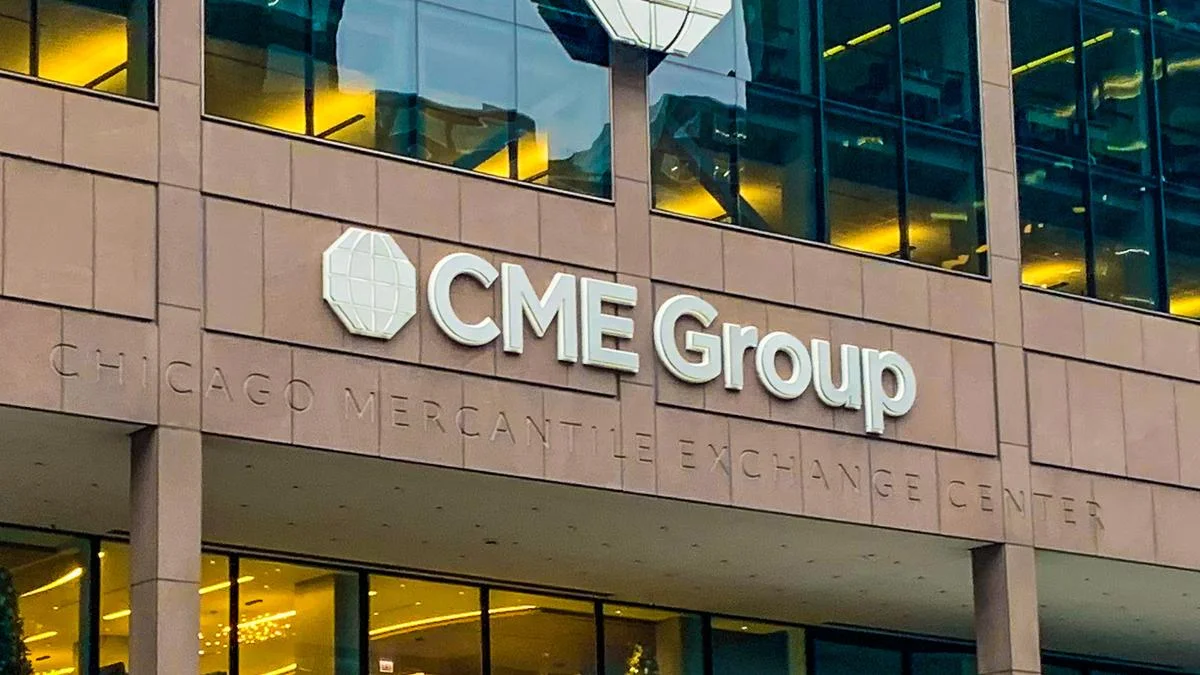



The U.S. Commodity Futures Trading Commission is seeking to knock out CME Group's legal challenge to its new perpetual futures policy, arguing in a Friday court brief that the derivatives giant lacks standing because it hasn't shown any imminent financial injury from the agency's decision.
The CFTC opened the U.S. perps market in May by approving the first bitcoin perpetual futures contract from Kalshi, and said it would regulate the products case-by-case as futures. CME objected in court, insisting perps are not futures because they carry no expiration date and should instead be regulated as swaps, an entirely different regulatory regime.
"Allegations of increased competition, without any plausible inference of an imminent financial injury," don't confer standing, the agency argued, noting that CME's own crypto futures volume has actually risen since the policy shift. It added that CME "cannot have it one way with the court and another way with the investing public on earnings calls," pointing to the exchange's own statements that it has seen little demand for perps.
Why it matters
The case will effectively decide whether perpetual futures, the dominant instrument in offshore crypto derivatives, get a regulated home on U.S. soil. The CFTC's push follows President Donald Trump's agenda of bringing perps into domestic trading, and a CME win would force the nascent market into the far heavier swaps framework, chilling the rollout.
TD Cowen policy analyst Jaret Seiberg still gives CME the edge on both standing and the swaps argument, but flags a different risk: timing. "What increasingly concerns us is the growth in perps while the litigation is playing out," he wrote, warning that continued growth could complicate any attempt to unwind the market if CME prevails.
Market impact
For U.S. crypto derivatives venues and DeFi-adjacent perps platforms, the brief signals the regulator intends to defend its perps-as-futures approach rather than retreat. A dismissal would clear the path for more domestic perp listings, while a CME win raises unwind risk for positions built in the interim.

Frequently asked questions
-
Why does the CFTC say CME lacks standing to sue over perpetual futures?
The CFTC argues CME hasn't shown an imminent financial injury from the policy. The agency noted CME's own crypto futures volume has risen since the first U.S. bitcoin perp was approved, undermining any claim of competitive harm.
-
What is CME's legal argument against the CFTC's perps policy?
CME contends perpetual futures are not futures because they have no expiration date, and should instead be regulated as swaps, which carry an entirely different regulatory framework.
-
Which company received the first U.S. bitcoin perpetual futures approval?
Kalshi received the first approval for a bitcoin perpetual futures contract in May, when the CFTC said it would regulate perps on a case-by-case basis as futures.
-
What did TD Cowen analyst Jaret Seiberg say about the CME lawsuit?
Seiberg argued CME may still have the edge on both standing and the swaps classification. However, he warned that continued growth in perps while litigation plays out could complicate unwinding the market if CME prevails.
-
Why does the CFTC perps case matter for U.S. crypto markets?
The ruling will determine whether perpetual futures, the dominant instrument in offshore crypto derivatives, can operate in the U.S. under the lighter futures framework, or be forced into the swaps regime CME advocates.
 CryptoSlate
 TheBlock
 WatcherGuru
 Crypto News