








 CoinDesk
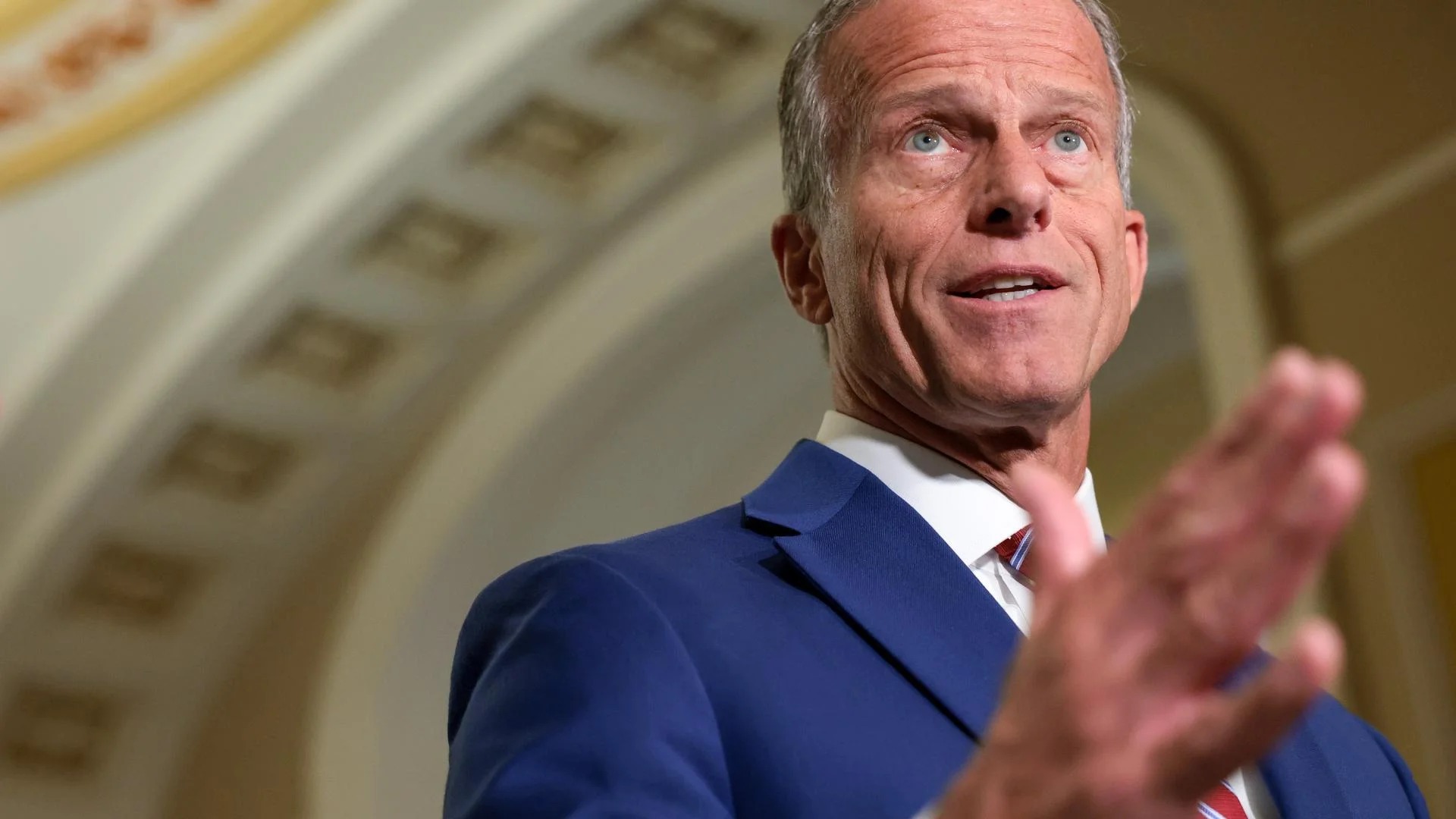



Senate Majority Leader John Thune filed the motion to proceed on the Digital Asset Market Clarity Act early Saturday, after a marathon overnight Senate voting session cleared federal funding, Russia sanctions and nominations work. The procedural opening came too late for the bill to reach a vote before the August recess, but it sets up the first cloture test almost immediately after the Senate returns in September. Cloture requires 60 yes votes, and the bill will need at least 10 Democratic senators to clear that hurdle.
Why it matters
Clarity is the crypto industry's marquee 2026 policy ask, defining a jurisdictional split between the SEC and CFTC over digital commodities and writing the rulebook for US exchanges and issuers. Thune's move is the farthest procedural progress the bill has made, but it is also a deadline signal: the September floor window is the last realistic shot before Congress pivots to the November midterms. Without a vote this fall, the legislation likely resets into a new Congress where either chamber could swing to Democratic control.
Market impact
Even a procedural opening tends to clear the overhang on US-regulated venues, since traders price the prospect of a defined market-structure regime rather than its actual passage. The September cloture vote will also be the first recorded position many senators take on the bill, giving crypto PACs like Fairshake a clean read on which lawmakers to back or punish in the midterms. The remaining fault lines, including stablecoin rewards, illicit-finance scope and the ethics provision that bars senior officials, including President Trump, from backing crypto projects, are all negotiable, but the White House still has not responded to a bipartisan ethics revision sitting on its desk for at least a week.
Frequently asked questions
-
What is the Digital Asset Market Clarity Act?
It is the crypto industry's marquee market-structure bill, designated HR 3633, that would split regulatory jurisdiction between the SEC and CFTC over digital commodities and write the rulebook for US exchanges and issuers.
-
Why did the Senate file the motion to proceed on a Saturday?
Senate Majority Leader John Thune filed the motion after a marathon overnight voting session that cleared federal funding, Russia sanctions and nominations work. The procedural opening came too late for a vote before the August recess but sets up the first cloture test almost immediately after the Senate returns in…
-
How many votes does the Clarity Act need to pass the Senate?
Cloture requires 60 yes votes to end debate and move to a final vote, which means the bill will need at least 10 Senate Democrats on board to clear that threshold.
-
What are the remaining sticking points in the negotiations?
Outstanding issues include illicit-finance protections, the dispute over stablecoin rewards and yield, and a government-ethics provision that bars senior officials, including President Trump, from backing crypto projects. A bipartisan revision on the ethics language has sat unanswered at the White House for at least a…
-
What happens if the Clarity Act fails in September?
Without a vote this fall, the legislation likely resets into a new Congress in 2027, where either chamber could swing to Democratic control and force the industry to restart the market-structure push from scratch.
 WatcherGuru
 TheBlock
 Crypto News
 CoinTelegraph