








 CoinDesk
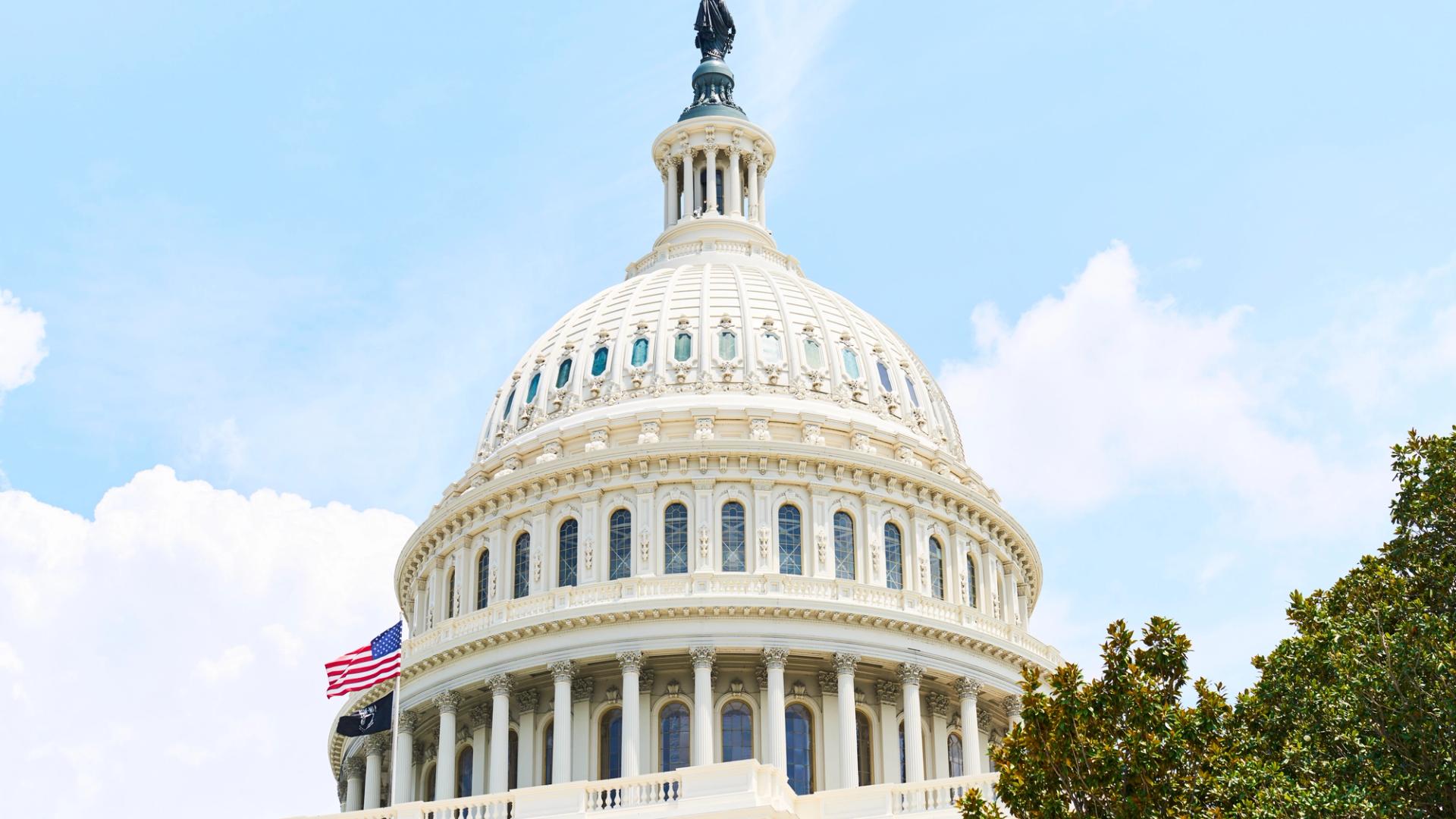



The US Senate did not pass the CLARITY Act this week, leaving digital-asset market structure unresolved while institutional tokenization accelerates. JPMorgan moved ETF holdings through a DTCC production pilot, BlackRock and Goldman Sachs are among more than 50 firms signing on to tokenize stocks and Treasuries through the same rails, and stablecoins now hold over $100 billion in US Treasury bills. Bullish executive Randi Abernethy framed the delay as the next 2008: a shock that travels through shared plumbing whether or not a desk touched what broke.
Why it matters
The argument Abernethy builds runs through LedgerX, the CFTC-regulated exchange and clearinghouse that sat inside the FTX umbrella and emerged from the November 2022 collapse with customer assets segregated and intact. The unregulated offshore entities in the same group did not. The structural difference was federal law versus private promises, and it played out under one roof in a single failure.
That distinction is now load-bearing. The same DTCC rails carrying JPMorgan's tokenized ETF pilot are being targeted for tokenized Treasuries and equities by the firms that already custody trillions in traditional assets. None of it sits under a federal digital-asset regime yet. The federal floor amounts to an interpretive SEC notice covering 16 tokens, a collateral pilot, a handful of no-action letters, and an MOU between two agencies, all revocable without a vote.
Market impact
Stablecoins are the transmission channel the argument keeps circling. The IMF has warned that a stablecoin run would now propagate faster than 2008 because the Treasury market at the back of these tokens has no clearinghouse to absorb a default. Federal Reserve staff have flagged the same risk, and USDC briefly lost its peg in March 2023 when its reserves sat in a failing bank.
With the CLARITY Act on ice, the calendar only hardens: a thin window in September, then a 2026 election year. Firms returning to the US because Washington signaled clarity, including Nexo, Wintermute, and Switzerland's Taurus, are betting the rulebook arrives before the next crisis, not after.

Frequently asked questions
-
What is the CLARITY Act and why did it stall in the Senate?
The CLARITY Act is a market-structure bill that would write federal rules for digital-asset trading, custody, and supervision into law. The Senate did not pass it this week, leaving market structure governed by enforcement actions and a patchwork of state-level rules.
-
Why does the FTX collapse matter to the CLARITY debate?
LedgerX, the CFTC-regulated exchange inside the FTX group, came through the November 2022 collapse with customer assets intact. The unregulated offshore entities did not. The argument is that federal law held where private promises broke, and CLARITY would extend that floor.
-
How much Treasury exposure do stablecoins carry?
Stablecoins hold over $100 billion in US Treasury bills, according to figures cited in the column. Federal Reserve staff and the IMF have flagged that a stablecoin run could transmit shocks into the Treasury funding market traditional desks rely on every morning.
-
Which institutions are tokenizing despite the regulatory gap?
JPMorgan has tokenized ETF holdings through a DTCC production pilot. BlackRock, Goldman Sachs, and more than 50 firms have signed on to tokenize stocks and Treasuries through the same infrastructure, with BlackRock's CEO calling tokenization a way to update the plumbing of finance.
-
What happens next for the CLARITY Act?
A thin legislative window in September is the next chance, after which the 2026 election year makes passage harder. Firms returning to the US because Washington signaled clarity, including Nexo, Wintermute, and Taurus, are betting the rulebook arrives before the next crisis, not after.
 CryptoSlate
 WuBlockchain
 TheBlock
 CoinTelegraph
 WatcherGuru
 Altcoin Daily