








 CoinDesk

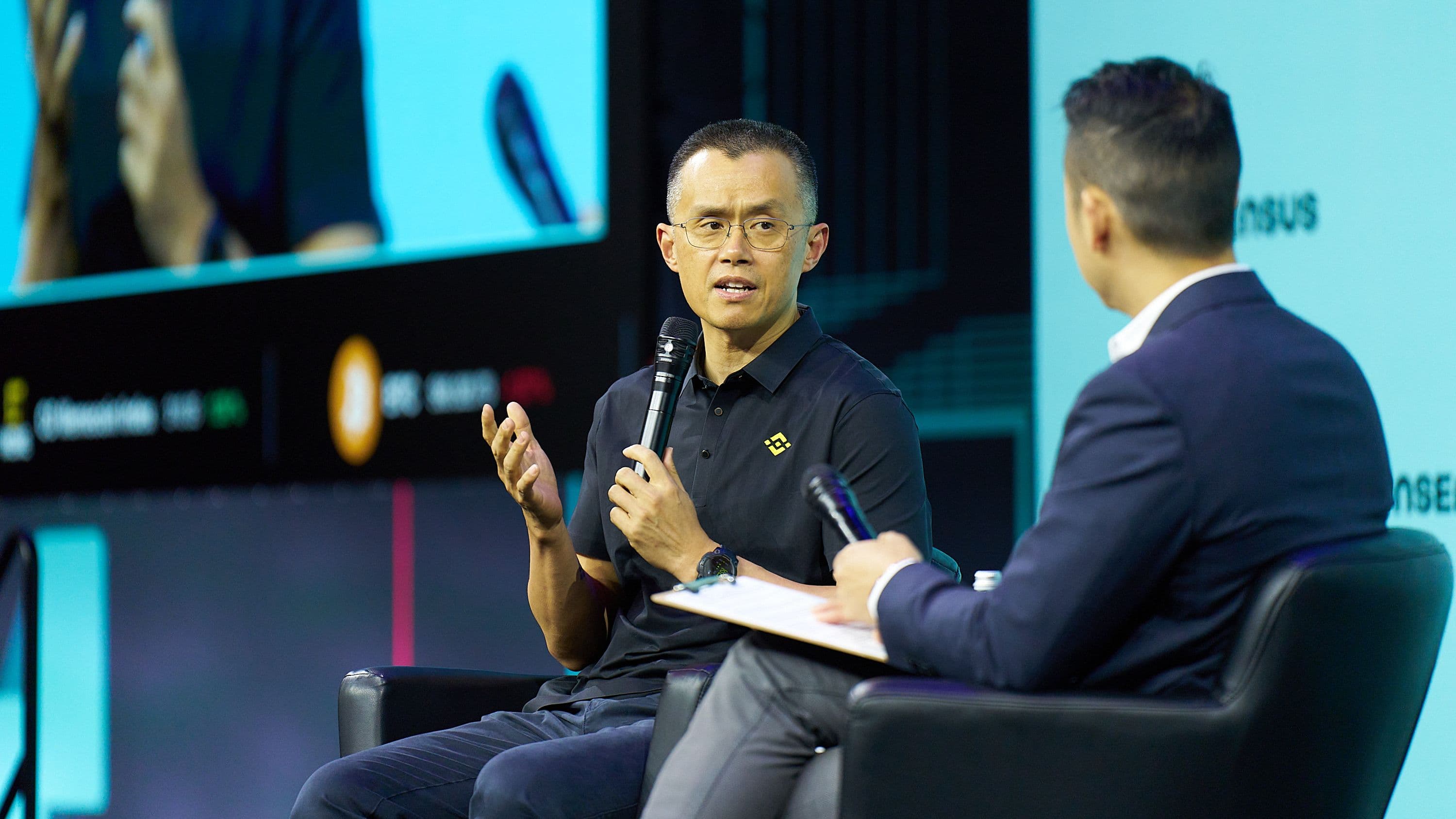

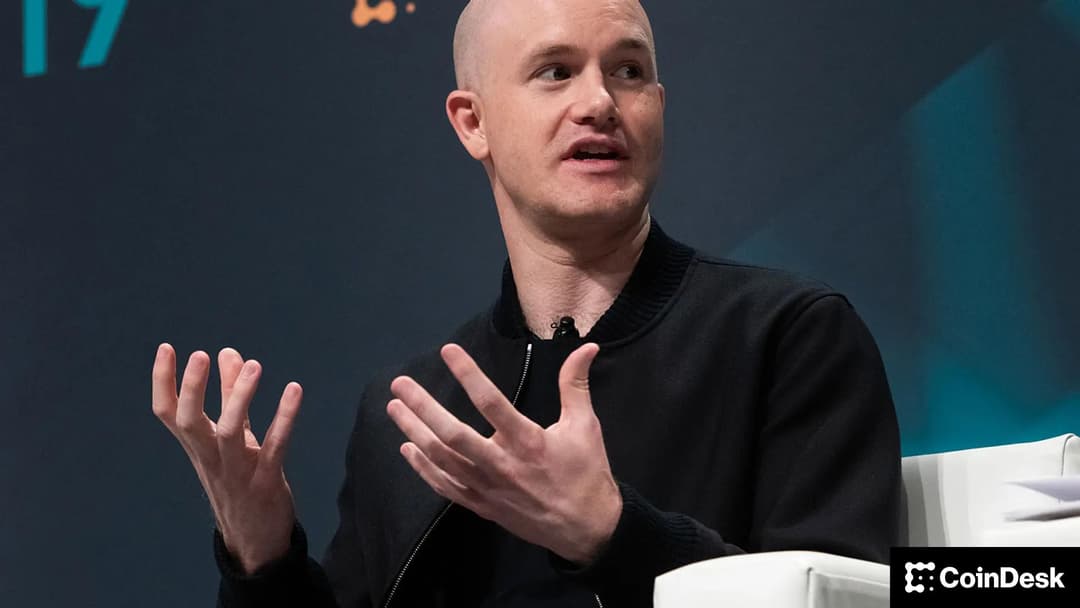
AI agents executing autonomous payments and large corporations moving cross-border treasury flows will be the two biggest growth drivers for stablecoins over the next two years, executives from Bridge and Deus X Capital said Thursday at Consensus 2026 in Miami.
Lindsey Einhaus, who leads strategy and operations at stablecoin infrastructure firm Bridge — acquired by Stripe for $1.1 billion — said major institutions are increasingly exploring stablecoins to manage cross-border flows and collapse account management into a single rail. She pointed to payment-focused blockchains like Tempo, backed by Stripe and Paradigm, as the missing infrastructure: existing chains historically lacked features standard in traditional payments, such as refunds, chargebacks and private transactions.
Einhaus also framed AI-powered micropayments as a long-awaited use case finally made economic by stablecoin-native chains, which can dramatically reduce per-transaction costs that historically made sub-cent payments unviable. Deus X Capital CEO Tim Grant went further, arguing that agentic payments — autonomous AI systems transacting with each other — may be one of the strongest crypto use cases yet, because consumers intuitively grasp why machines need to move money online.
Why it matters
The framing matters because it repositions stablecoins away from the retail-trading narrative that has dominated the last cycle and toward a payments-rail thesis. Bridge's vantage point inside Stripe — a company that processes trillions in card volume annually — gives the corporate-treasury read unusual weight. Stripe's $1.1B acquisition of Bridge last year was the first explicit signal that a top-tier payments incumbent viewed stablecoin rails as core infrastructure rather than a speculative asset, and the Tempo chain is the operationalisation of that bet.
Grant's "pull, not push" framing of institutions is the other load-bearing line. For most of the last decade, crypto firms have lobbied TradFi to engage; the claim now is that the engagement is endogenous, driven by improving US regulation and a clearer compliance perimeter.

Frequently asked questions
-
Why are executives calling AI agents a major stablecoin growth driver?
Bridge and Deus X Capital leaders argued at Consensus 2026 that agentic payments — autonomous AI systems transacting with each other — become economically viable on stablecoin-native chains, which can drastically reduce per-transaction costs that historically made sub-cent transfers unworkable.
-
What is Stripe's Bridge, and why does its role matter here?
Bridge is a stablecoin infrastructure firm acquired by Stripe for $1.1 billion. Its presence inside Stripe, which processes trillions in card volume annually, gives the corporate-treasury adoption thesis unusual weight and frames Tempo — Stripe and Paradigm's payments-focused blockchain — as core infrastructure rather…
-
How do corporates plan to use stablecoins, according to the panel?
Lindsey Einhaus said large institutions are exploring stablecoins to manage cross-border flows and collapse internal account management into a single rail. She said payment-focused chains like Tempo add features traditional payments rely on — refunds, chargebacks, private transactions — that existing blockchains…
-
What is Tempo, the blockchain Bridge and Stripe are backing?
Tempo is a payment-focused blockchain developed by Stripe and Paradigm. Einhaus cited it as the key enabler for broader institutional stablecoin adoption, because it bakes in payments-native features — refunds, chargebacks and private transactions — that older chains were never designed to support.
-
What are the remaining obstacles to stablecoin adoption?
Tim Grant flagged fragmented infrastructure across multiple blockchains and wallets, evolving regulation around autonomous financial activity, and slow consumer onboarding as the main hurdles. He remained optimistic long-term, arguing the bottleneck has shifted from institutional demand to plumbing and coordination.
 WuBlockchain
 Altcoin Daily
 WatcherGuru
 CoinTelegraph
 TheBlock
 Crypto News