








 CoinDesk
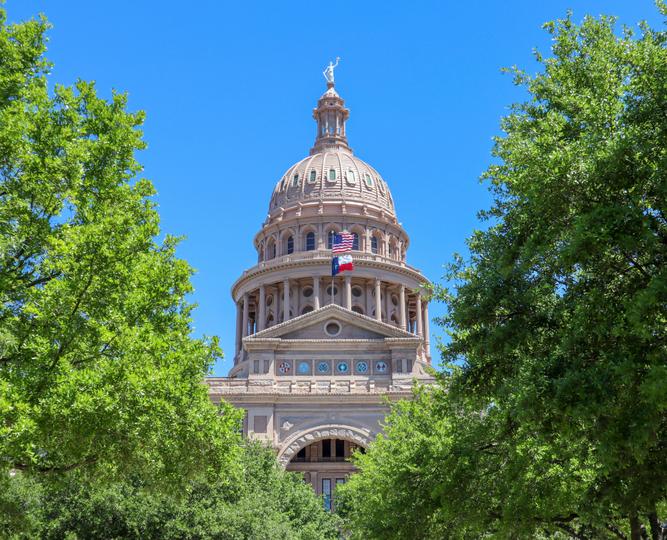

Crypto-focused political committees spent more than $9 million on Texas races in this cycle, helping deliver a string of primary victories for industry-aligned candidates across both parties. The biggest scalp was Houston Democrat Christian Menefee, who ousted Rep. Al Green — a House Financial Services Committee member with an "F" rating from Stand With Crypto — in a rare incumbent-on-incumbent Democratic runoff triggered by Republican-led redistricting. On the Republican side, Fairshake's Defend American Jobs and the separate Fellowship PAC backed Texas Attorney General Ken Paxton's successful challenge to Sen. John Cornyn, while Defend American Jobs spent roughly $1.8 million backing four winning GOP runoff candidates (Jon Bonck, Tom Sell, Carlos De La Cruz, Alex Mealer) in low-turnout races where the eventual November nominee is heavily favored.
Why it matters
The Texas results show a crypto lobby that can now credibly move votes in primaries on both sides of the aisle, not just bankroll one party's slate. Fairshake's Republican affiliate Defend American Jobs and its Democratic counterpart Protect Progress backed candidates in opposite races in the same state on the same night, while Fellowship PAC wrote a $500,000 check to Paxton — proof that the industry's political infrastructure has matured into a bipartisan operation rather than a single-party donor club. Menefee's defeat of Green, a senior Financial Services voice who opposed key industry legislation and warned crypto could erode U.S. financial leverage abroad, is the cleanest signal yet that anti-crypto voting records carry electoral consequences.
Market impact
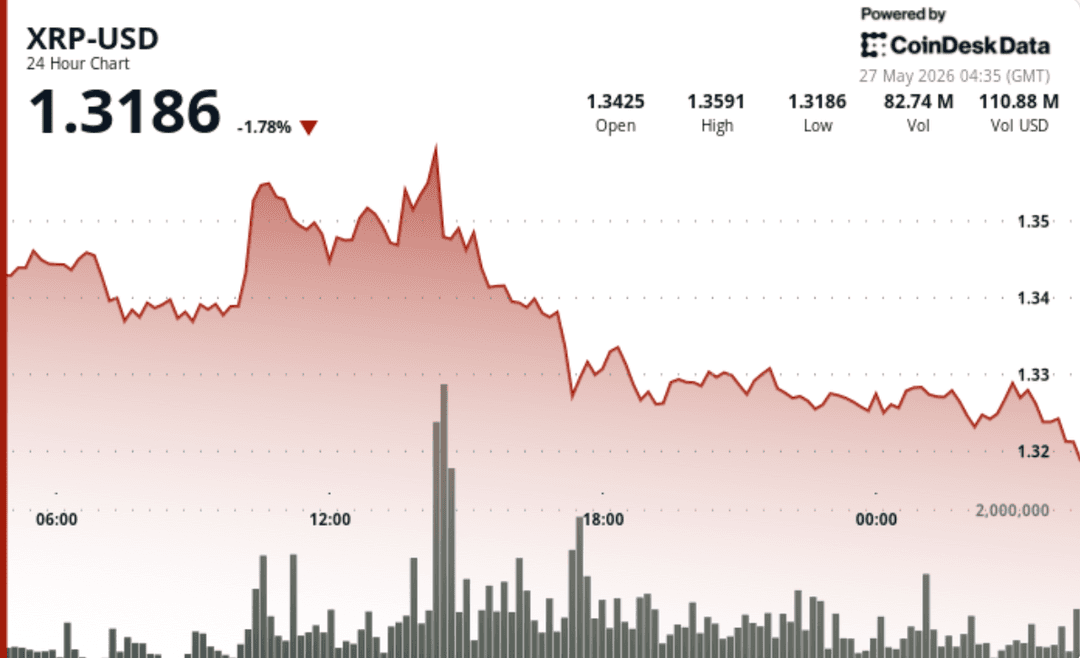
The immediate token-market reaction is muted — this is a primary, not a general election — but the forward read is what investors should price. A well-capitalized, bipartisan crypto PAC network entering the 2026 midterms with a demonstrated ability to oust incumbents changes the calculus on every crypto-relevant bill sitting in committee: market structure, stablecoin oversight, and the long-delayed FIT21-style framework all face a Congress where anti-crypto voting records are now a liability rather than a free option.

Frequently asked questions
-
How much did crypto PACs spend in Texas this cycle?
More than $9 million across Texas races in this cycle, with Defend American Jobs alone spending roughly $1.8 million backing four winning Republican runoff candidates.
-
Which incumbents did crypto-backed candidates defeat?
Houston Democrat Christian Menefee ousted Rep. Al Green, a House Financial Services Committee member with an "F" from Stand With Crypto, in a Democratic primary runoff. On the GOP side, AG Ken Paxton defeated longtime Sen. John Cornyn with crypto PAC support.
-
What is Fairshake and which affiliates were involved in Texas?
Fairshake is the crypto industry's flagship super PAC. Its Republican affiliate Defend American Jobs and Democratic affiliate Protect Progress backed opposing candidates in the same Texas races, while the separate Fellowship PAC added a $500,000 check for Paxton.
-
Why is Al Green's loss significant for crypto policy?
Green sat on the House Financial Services Committee and had opposed key industry-backed legislation while warning crypto could erode U.S. financial leverage abroad. His defeat to a crypto-backed challenger shows anti-crypto voting records now carry primary-season consequences.
-
What do the Texas results mean for the 2026 midterms?
The wins demonstrate a well-capitalized, bipartisan crypto PAC network that can oust incumbents in low-turnout runoffs efficiently — roughly $1.8M across four GOP seats. That changes the calculus on crypto-relevant bills in the next Congress, from market structure to stablecoin oversight.
 WatcherGuru
 CoinTelegraph
 CryptoSlate