


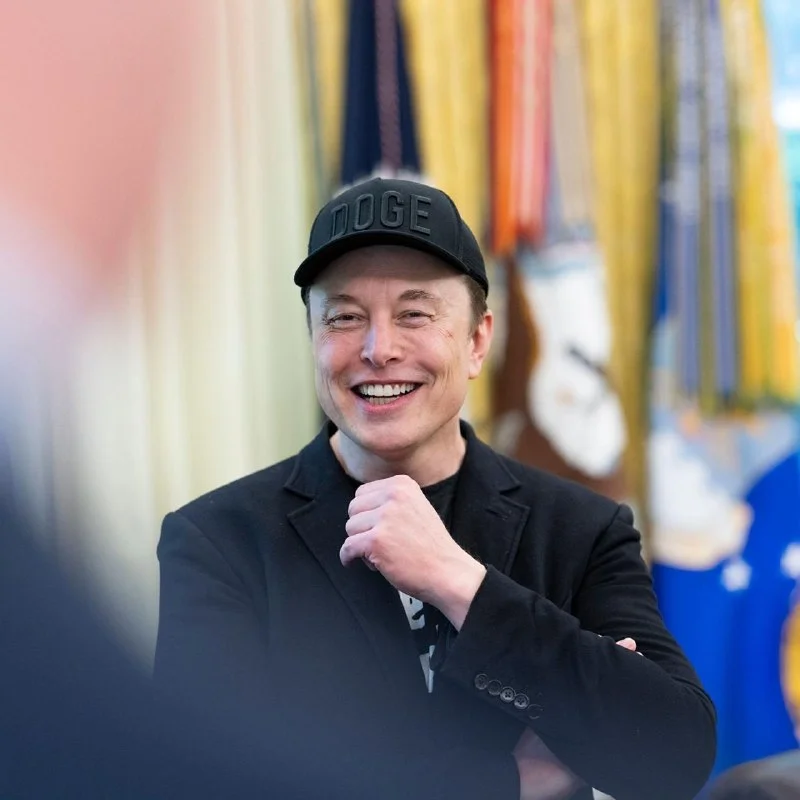
SpaceX secured $40 billion in GPU debt backed by Starlink and launch revenue. Elon Musk said debt markets have nearly shut out firms without non-AI revenue and predicted most of the 200+ neoclouds would not survive.
Why it matters
The warning reframes AI infrastructure as a financing contest, not simply a race to secure accelerators. Companies without revenue outside AI face a credit constraint before they can expand their GPU fleets. SpaceX pairs its GPU financing with Starlink and launch revenue, giving it cash flow outside the AI buildout.
Market impact
For investors, the risk is capital access, not just demand for GPUs or AI services. A field of more than 200 competitors can still be vulnerable if lenders require revenue outside AI to support debt. SpaceX's $40 billion deal shows that GPU debt can be secured by borrowers with stronger cash-flow backing. The dividing line in the neocloud race is financing quality, not GPU ambition.
Frequently asked questions
-
Why does Musk say neoclouds need revenue outside AI?
Musk says debt markets have nearly shut out firms without non-AI revenue. His point is that AI-focused businesses face a harder path to debt financing.
-
What share of the neocloud sector does Musk expect to fail?
Musk predicts most of the 200+ neoclouds will not survive. The scale of his warning makes sector funding conditions a central investor concern.
-
What cash flows back SpaceX's $40B in GPU debt?
SpaceX backed the financing with Starlink and launch revenue. That gives the deal cash-flow support outside AI, unlike the firms Musk says lenders have shut out.
-
What does the warning mean for AI infrastructure investors?
It shifts attention from GPU access toward credit access and operating revenue. Neoclouds without cash flow beyond AI face a greater financing constraint.
-
What separates SpaceX from the neocloud financing model?
SpaceX can draw on Starlink and launch revenue alongside its AI ambitions. The distinction is access to non-AI cash flow, which Musk calls central to debt-market access.

 WatcherGuru
 Crypto Capital Venture
 CryptoSlate
 Crypto News
 CoinDesk
 TheBlock