


 CoinDesk
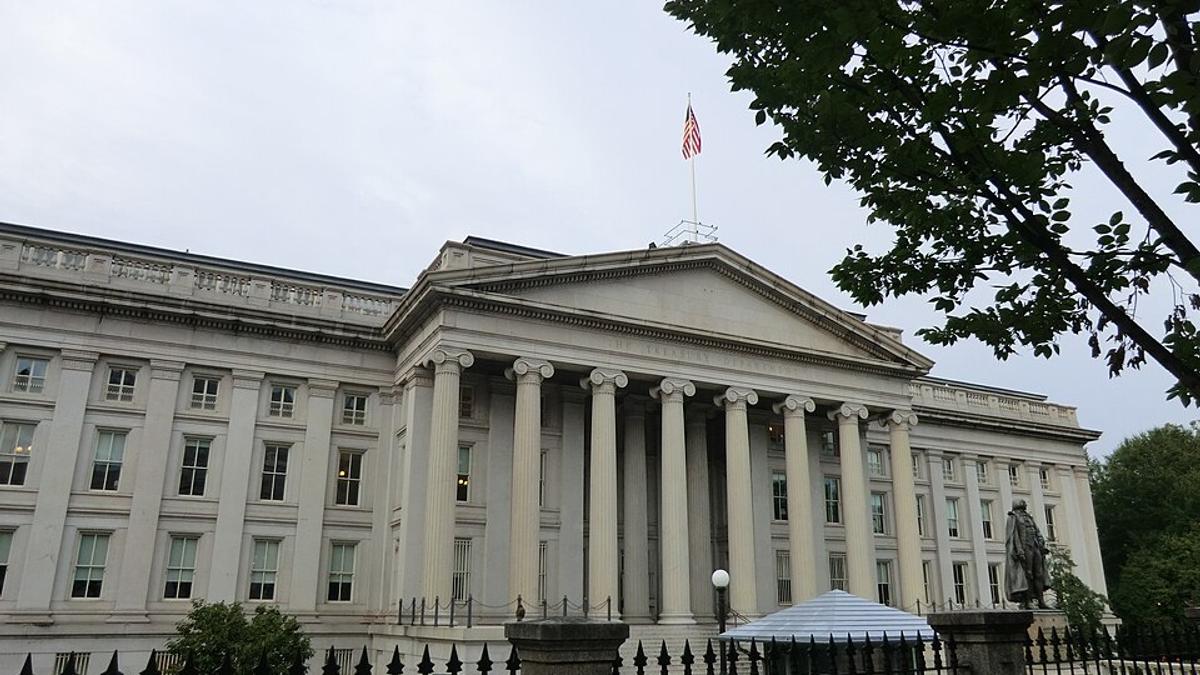


The U.S. Treasury's Financial Crimes Enforcement Network (FinCEN) issued an order Friday to cut crypto exchange MEXC off from the U.S. financial system, alleging the venue handled at least $16 billion in illicit flows tied to Iranian, North Korean and Russian sanctions evasion, cybercrime and other activity. Once effective, the order bars U.S. financial institutions from sending funds to or receiving funds from MEXC, including crypto transfers.
FinCEN acted under Section 9714 of the Combating Russian Money Laundering Act, which can only be applied to foreign institutions tied to Russian illicit finance, even though Treasury announced the move under Operation Economic Outcast, its campaign launched in August to isolate Iran from global finance. The agency claims MEXC processed nearly $1.5 billion linked to Russian sanctions evasion between May 2021 and May 2026, including transactions with sanctioned exchange Garantex and its successor Grinex as recently as June, plus about $1 billion in transfers to more than 40 Iranian crypto exchanges and $22 million tied to Iran's central bank and the Islamic Revolutionary Guard Corps.
Why it matters
MEXC is the largest crypto exchange ever targeted under Section 9714, which was previously used against far smaller venues like Bitzlato in 2023 and PM2BTC in 2024. The exchange ranks among the world's top 20, processing more than $1 billion in daily trades and holding roughly $5 billion in reserves according to Treasury, so the order is a step change in how the provision is being deployed. MEXC says it is operating normally, has launched an independent review of its AML and sanctions controls, and last month announced it would stop serving users in Russia and Belarus.
Market impact
The order takes effect 30 days after publication in the Federal Register, giving counterparties a defined window to unwind exposure. Expect a run of market makers and custodial desks reassessing MEXC balances, and watch whether the review gives Treasury grounds to soften or extend the measure. The precedent matters for every offshore exchange with any Russian-linked flow on its books.
Frequently asked questions
-
What did FinCEN actually order against MEXC?
FinCEN issued an order under Section 9714 of the Combating Russian Money Laundering Act that will bar U.S. financial institutions from sending funds to or receiving funds from MEXC, including crypto transfers, once it takes effect.
-
When does the MEXC cutoff take effect?
The order takes effect 30 days after it is published in the Federal Register, giving the exchange and its counterparties a defined window before the prohibition applies.
-
How much illicit flow does the Treasury allege MEXC handled?
FinCEN alleges at least $16 billion in illicit flows over five years, including nearly $1.5 billion tied to Russian sanctions evasion, about $1 billion in transfers to more than 40 Iranian crypto exchanges, and $22 million linked to Iran's central bank and the IRGC.
-
Why is the MEXC order considered a precedent for crypto enforcement?
MEXC is the largest crypto exchange ever targeted under Section 9714, which was previously used only against far smaller venues like Bitzlato in 2023 and PM2BTC in 2024.
-
How has MEXC responded to the FinCEN order?
MEXC says it is operating normally and reviewing the order, and it has launched an independent review of its anti-money laundering and sanctions controls. Last month it also announced it would stop serving users in Russia and Belarus.
 Crypto Capital Venture
 WuBlockchain
 CryptoSlate
 WatcherGuru
 CoinTelegraph
 TheBlock