








 CoinDesk
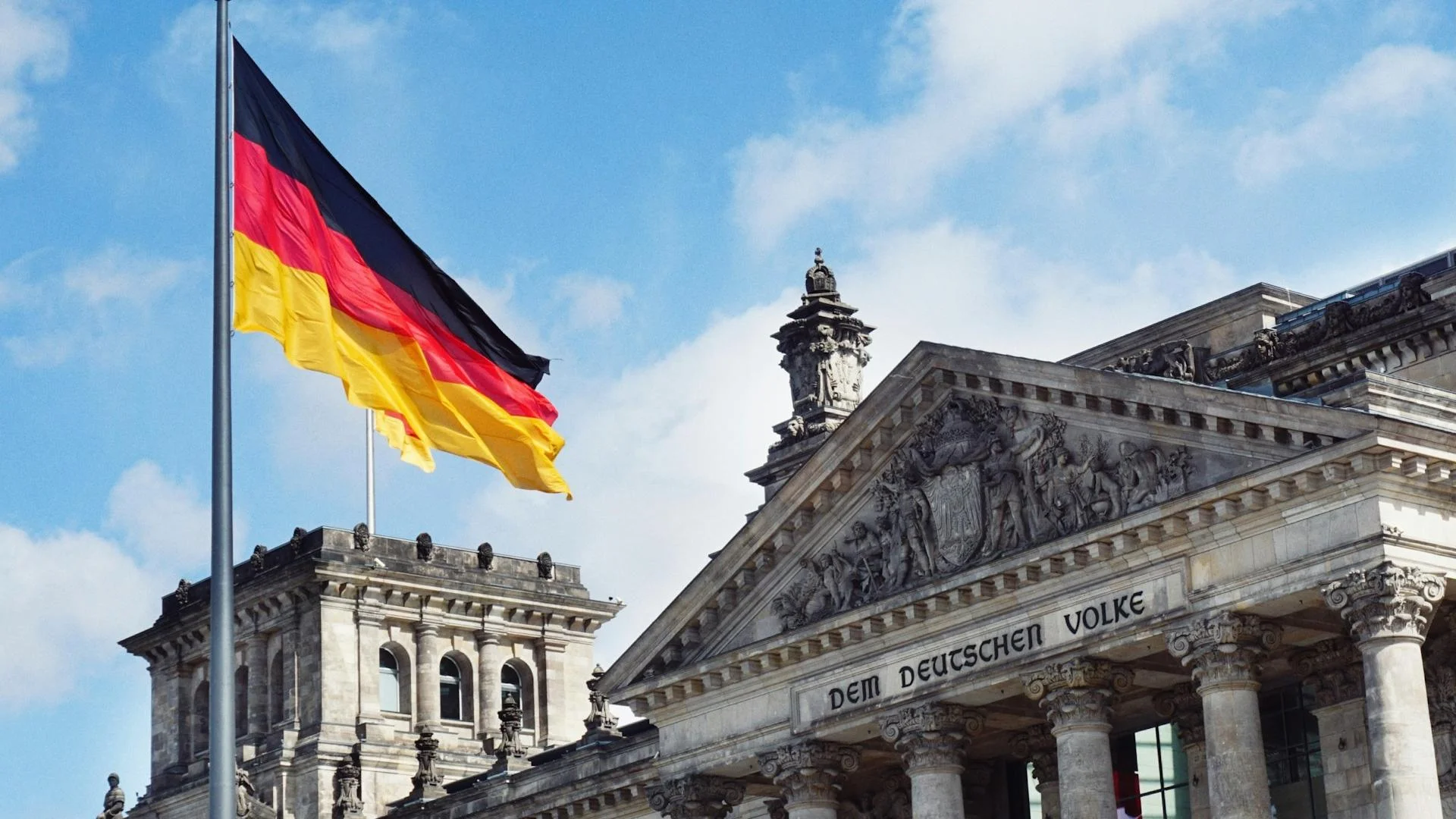


Germany's Federal Ministry of Finance has drafted a bill that would scrap the country's tax-free sale of crypto held for more than 12 months. The proposal, authored by Vice Chancellor Lars Klingbeil's ministry and reported by German newspaper Die Welt, would make gains on bitcoin, ether and other crypto acquired after Dec. 31, 2026 taxable regardless of holding period. The Finance Ministry projects about €160 million in additional revenue in 2028, rising to roughly €350 million a year by 2031.
Why it matters
Germany's current rule, tax-free sales after a 12-month hold, has long been cited as a tailwind for long-term accumulation, particularly among retail and family-office buyers who parked BTC and ETH in cold storage for years. Killing that exemption removes a behavioural incentive at exactly the moment other EU jurisdictions are still debating how to classify digital assets. The bill also folds lending and staking income into the capital-gains regime, narrowing the gap between holding coins and lending them out. NFTs, some stablecoins, security tokens and certain real-world asset tokens stay outside the new framework.
Market impact
For short-term German traders, the change is a wash or a relief: they are currently taxed at personal income rates with a 45% top bracket, while the new flat 25% withholding rate under the bill would be lower for many. For long-term holders, the read is bearish: the holding-period edge that anchored the country's accumulation thesis disappears. The law takes effect in January 2027, with platforms required to start withholding in 2028, giving exchanges and custodians a year to update reporting systems. Providers can use customer-supplied purchase prices and acquisition dates when assets move between platforms; investors without records face the 25% flat tax.


Frequently asked questions
-
When would Germany's new crypto tax rule take effect?
The draft bill would take effect in January 2027, with crypto platforms required to start withholding taxes automatically in 2028.
-
Which assets would the new German crypto tax cover?
Gains on bitcoin, ether and other crypto acquired after Dec. 31, 2026 would be taxable regardless of holding period. NFTs, some stablecoins, security tokens and certain RWA tokens stay outside the new regime.
-
How much revenue does Germany expect from the change?
The Finance Ministry projects about €160 million in additional tax revenue in 2028, rising to roughly €350 million a year by 2031.
-
Would pre-2027 crypto holdings still get the 12-month exemption?
Yes. Crypto bought before Dec. 31, 2026 remains under the current rules, including the tax-free sale after a 12-month holding period.
-
How would short-term traders fare under the new German rules?
Many short-term traders currently pay personal income rates with a 45% top bracket, while the new 25% flat withholding rate would be lower for active traders.
 TheBlock
 WatcherGuru
 CoinTelegraph
 CryptoSlate
 Crypto News
 Altcoin Daily
 WuBlockchain