








 WatcherGuru
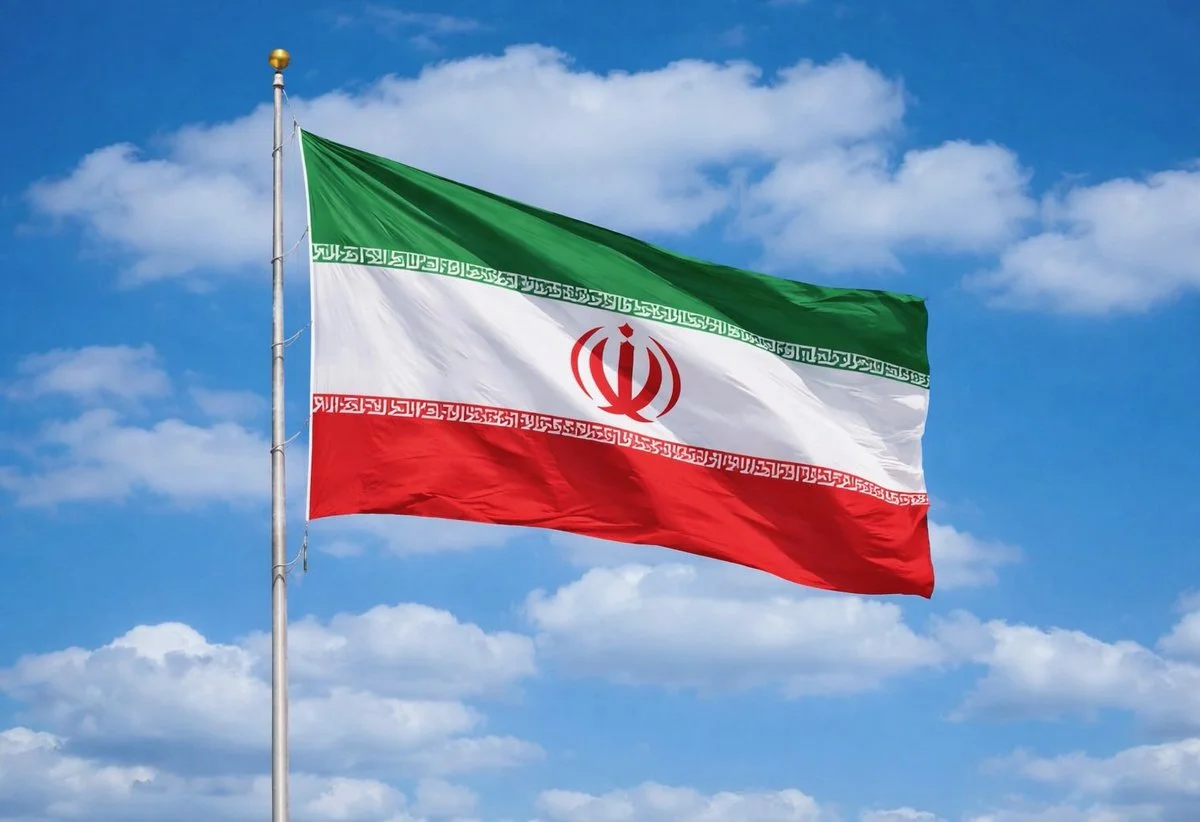
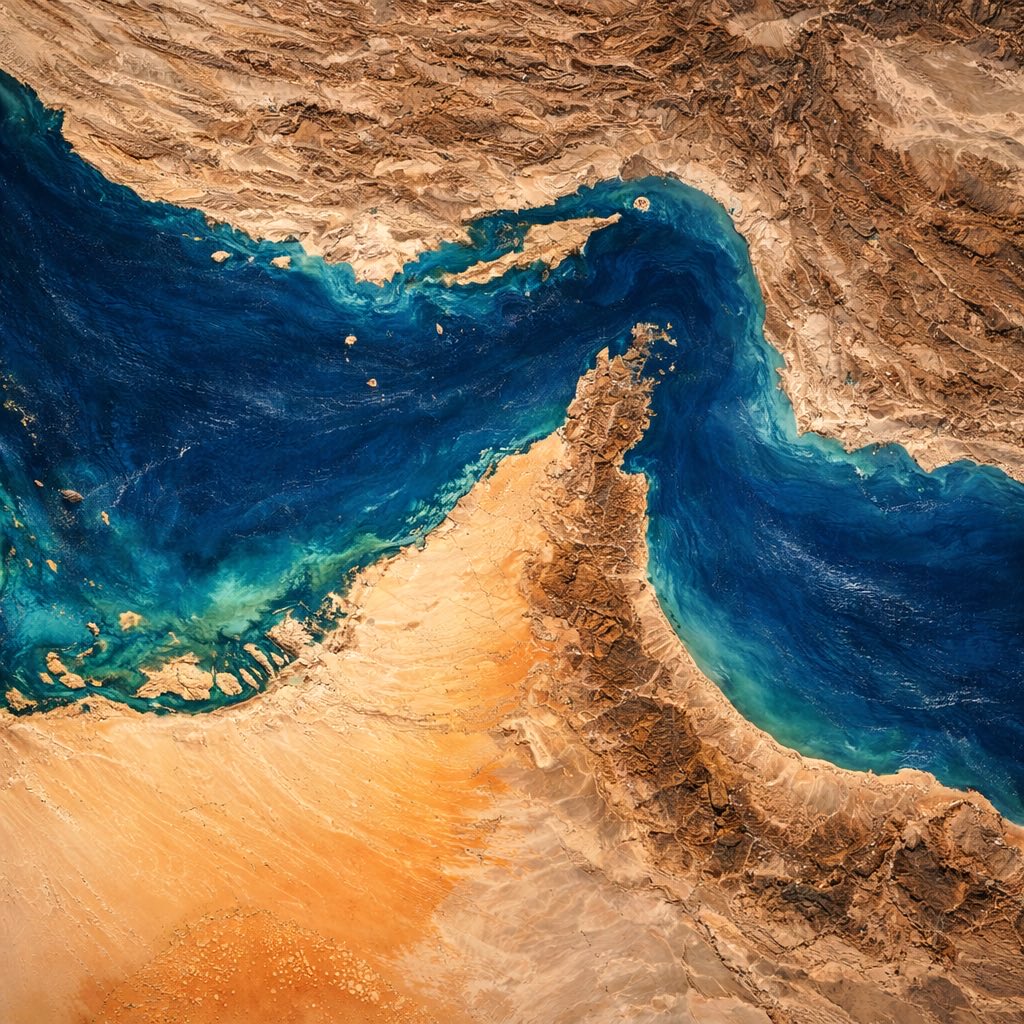
Iran has confirmed that a memorandum of understanding reached with the United States includes a provision allowing Tehran to receive payments for services rendered to vessels transiting the Strait of Hormuz. The announcement marks a notable development in US-Iran relations and touches directly on one of the world's most strategically sensitive waterways.
The Strait of Hormuz is the passage through which roughly 20% of global oil supply flows daily, making any formal arrangement governing transit fees a matter of significant interest to energy markets, shipping insurers, and sanctions monitors alike. Iran's ability to collect payments from ships using the strait had previously been constrained by the broader sanctions architecture imposed by the US and its allies.
The MoU's precise scope — which services are covered, how payments are structured, and whether existing sanctions carve-outs apply — has not been fully disclosed. Until those details emerge, the market impact remains difficult to price, but the signal is clear: Washington has acknowledged Tehran's role as a service provider in the strait rather than treating all economic activity there as sanctionable.
Frequently asked questions
-
What does the Iran-US MoU say about Strait of Hormuz payments?
The MoU confirms Iran will receive payments for services it provides to ships transiting the Strait of Hormuz, formalizing a revenue stream that had previously been constrained by US-led sanctions.
-
Why does the Strait of Hormuz matter to global energy markets?
Roughly 20% of global oil supply passes through the Strait of Hormuz daily, making any formal arrangement governing transit fees significant for energy prices, shipping costs, and sanctions enforcement.
-
How does this MoU affect existing US sanctions on Iran?
The agreement appears to carve out an exception within the sanctions framework, recognizing Iran as a legitimate service provider for Hormuz transit — though the precise scope and carve-outs have not been fully disclosed.
-
What services is Iran being paid to provide to ships in the strait?
The MoU has not publicly detailed which specific services are covered or how payments are structured, leaving the full commercial and legal scope unclear pending further disclosure.
-
What is the broader diplomatic significance of this agreement?
The deal signals a shift in Washington's posture: rather than treating all Iranian economic activity in the strait as sanctionable, the US has formally acknowledged Tehran's role as a defined service provider in one of the world's most critical waterways.
 Crypto News
 Benjamin Cowen
 CoinTelegraph
 Crypto Capital Venture
 TheBlock