








 CoinDesk
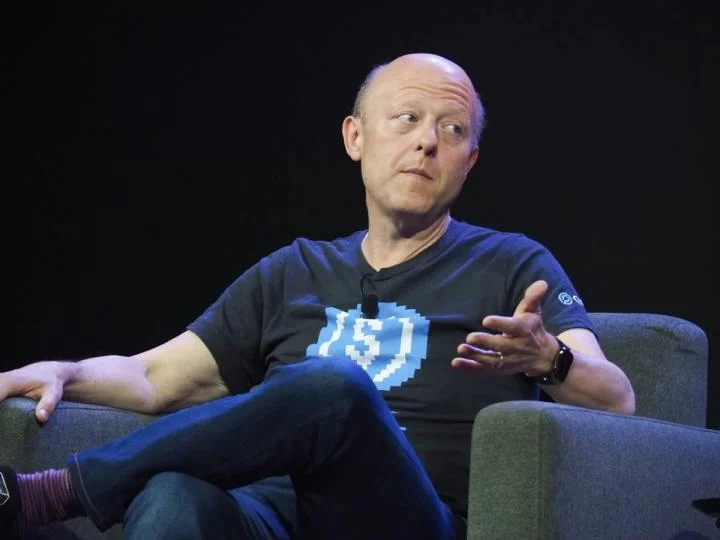



Jefferies told clients not to buy the dip in Circle after the stock bounced 5% on Wednesday from a 17% Tuesday plunge, warning that competitive pressure on USDC's market share and supply growth is unlikely to ease. The investment bank pointed to the newly launched Open USD stablecoin consortium, backed by more than 140 firms including Stripe, Coinbase, Visa, Mastercard and BlackRock, as a structural threat to USDC's growth trajectory.
Why it matters
Circle derives roughly 95% of its revenue from interest earned on USDC reserves, and Jefferies flagged new risks even from its largest distribution partner. Coinbase, which currently drives a large share of USDC distribution and whose commercial agreement with Circle is reportedly up for renewal in August, has joined the Open USD consortium. The brokerage stopped short of calling that a betrayal, but warned the exchange could eventually promote competing stablecoins, weighing on USDC's growth.
The Open USD consortium plans to share reserve income with participating companies, a model Jefferies said could make the platform more attractive to payment providers than USDC's existing structure. That incentive design, more than any single new entrant, is the part of the story CRCL bulls have to underwrite or dismiss.
Market impact
Circle CEO Jeremy Allaire pushed back hard on the competitive thesis in a lengthy X post Wednesday, arguing that stablecoins are network businesses built over years and that USDC's deep integrations across exchanges, DeFi and regulated markets including Europe and Japan are difficult to replicate. He also rejected the reserve-sharing pitch directly, writing that "giving away all the income is a recipe for starving an infrastructure." ARK Invest's Lorenzo Valente echoed that skepticism, comparing the consortium model to past failures including Meta's Diem and Paxos-led Global Dollar Network, and warning that coordinating more than 140 rivals could prove glacial at best. Circle (CRCL) was last up 5% in Wednesday trade, recovering a fraction of Tuesday's 17% slide.

Frequently asked questions
-
Why is Jefferies bearish on Circle after the dip?
Jefferies warned that competitive pressure on USDC is unlikely to ease, pointing to the Open USD consortium backed by Stripe, Coinbase, Visa, Mastercard and BlackRock as a structural risk to USDC's growth and market share.
-
What is the Open USD stablecoin consortium?
Open USD is a stablecoin network backed by more than 140 firms including Stripe, Coinbase, Visa, Mastercard and BlackRock. It plans to share reserve income with participating companies to attract payment providers and fintechs.
-
How much of Circle's revenue comes from USDC reserves?
Circle derives roughly 95% of its revenue from interest earned on USDC reserves, making USDC's supply growth and distribution the central driver of the company's earnings.
-
Why is Coinbase's involvement in Open USD a risk for Circle?
Coinbase is Circle's largest distribution partner for USDC, and the two companies' commercial agreement is reportedly up for renewal in August. Jefferies warned that Coinbase's participation in Open USD could lead it to promote competing stablecoins over time.
-
How did Circle's CEO respond to the competitive threat?
Jeremy Allaire argued on X that stablecoins are network businesses built over years and that USDC's integrations and regulatory footprint are hard to replicate. He also pushed back on the reserve-sharing pitch, writing that giving away all the income is a recipe for starving an infrastructure.
 CryptoSlate
 WuBlockchain
 WatcherGuru
 CoinTelegraph
 TheBlock