








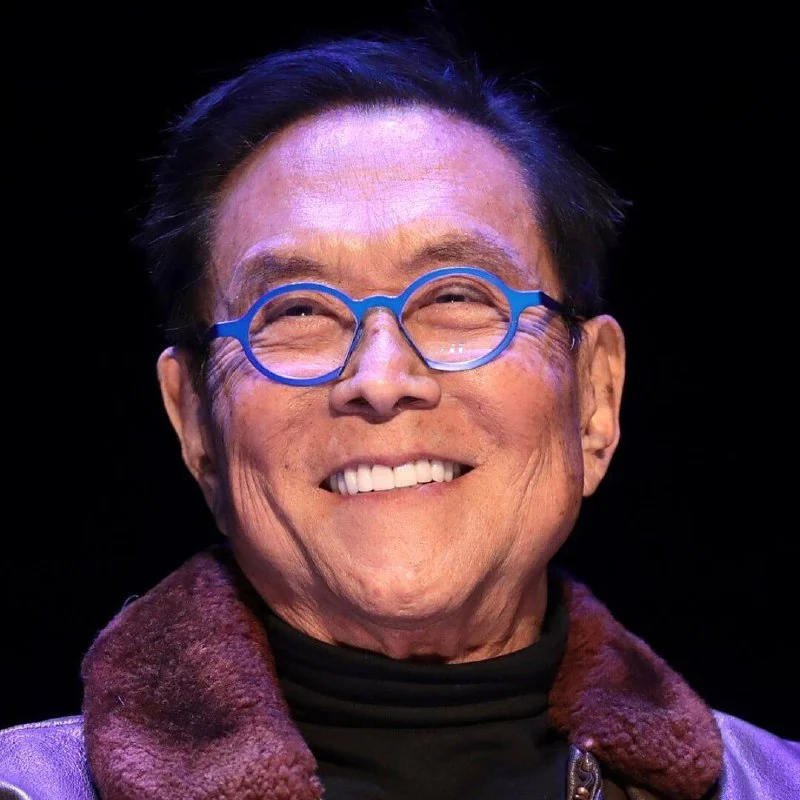
Robert Kiyosaki, author of Rich Dad Poor Dad and long-time dollar skeptic, is calling Iran's decision to accept Chinese Yuan for oil payments the biggest news in world financial history — a characteristically bold claim, but one landing against a backdrop of genuine structural shifts in global reserve currency dynamics.
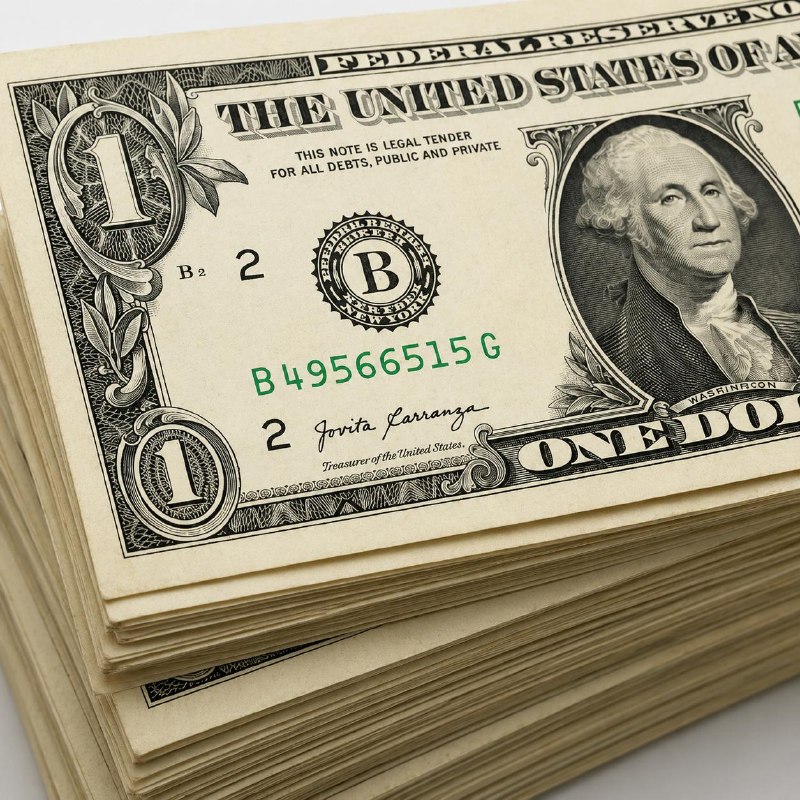
Iran's move is the latest in a series of bilateral energy deals that bypass the US dollar, joining a growing list of commodity trades settled in yuan, rubles, and other non-dollar currencies. For petrodollar architecture — the informal system that has underpinned dollar dominance since the 1970s — each defection, however small, chips at the foundation.
Kiyosaki has consistently argued that dollar debasement and geopolitical fragmentation will accelerate demand for hard assets including gold, silver, and Bitcoin.

Frequently asked questions
-
How does Iran's acceptance of yuan for oil payments impact the US dollar's status?
Iran's acceptance of yuan for oil payments is part of a trend that undermines the dollar's dominance in global trade, potentially leading to decreased demand for the dollar as a reserve currency.
-
What are the implications of Kiyosaki's views on hard assets like Bitcoin?
Kiyosaki believes that as the dollar faces debasement and geopolitical fragmentation, there will be increased demand for hard assets such as gold, silver, and Bitcoin as safe havens.

 Crypto News
 WuBlockchain
 CoinDesk
 WatcherGuru
 CryptoSlate