








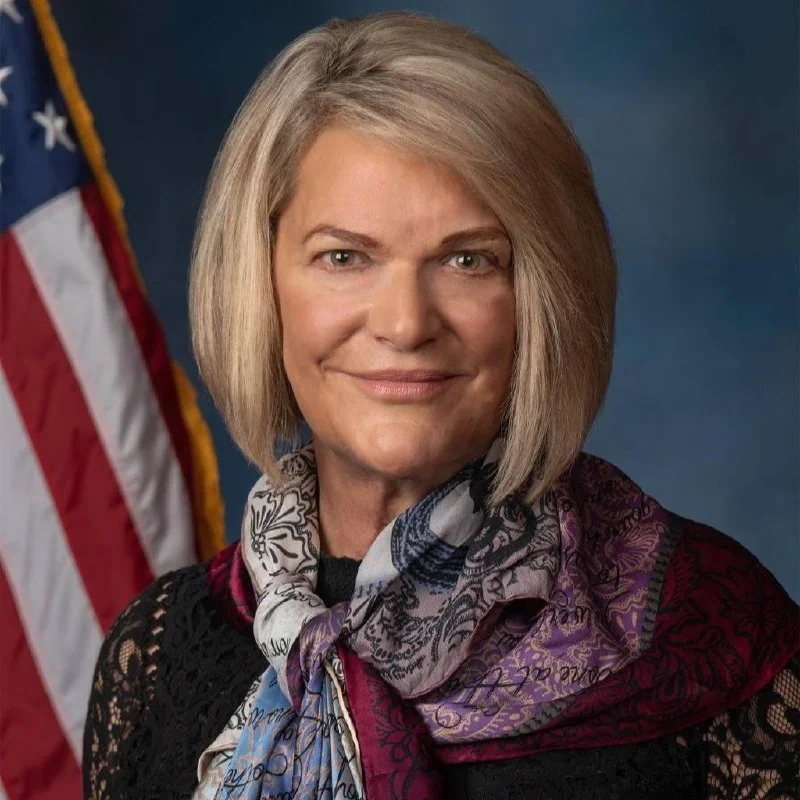
Senator Cynthia Lummis pushed back on Senator Elizabeth Warren's accusation that the Clarity Act opens new illicit-finance loopholes, arguing on the Senate floor that the bill in fact carries more than 16 safeguards against money laundering and sanctions evasion.
Why it matters
The exchange crystallizes the central partisan split over the bill: Warren's camp frames Clarity as a deregulatory vehicle that hands crypto issuers a permissive regime, while Lummis and the bill's sponsors argue the enumerated AML, KYC, and sanctions controls already in the draft match or exceed those imposed on traditional finance. For institutional desks tracking the bill's path, the safeguard count has become a rhetorical proxy for whether the legislation tightens or loosens the existing perimeter.
Market impact
With a full Senate vote still pending, the floor fight is unlikely to move spot BTC or ETH on its own, but it raises the political cost of any senator breaking ranks. Watch for an updated manager's amendment or a public count of the safeguards from bill text: that number, not the rhetoric, is what compliance teams will price.
Frequently asked questions
-
What is the Clarity Act?
The Clarity Act is the pending US Senate bill that would assign market-structure oversight for digital assets between the SEC and CFTC, with enumerated AML and sanctions safeguards for crypto issuers and intermediaries.
-
What did Lummis actually say about Warren's accusation?
Lummis argued on the Senate floor that the bill carries more than 16 safeguards against illicit finance, pushing back on Warren's framing that the draft opens new money-laundering or sanctions-evasion loopholes.
-
Why is the safeguard count politically charged?
Both camps are using the count as a proxy for whether the bill tightens or loosens the existing regulatory perimeter, with Warren's side calling them inadequate and Lummis's side calling them stronger than TradFi baselines.
-
Will the floor fight move crypto prices?
Not on its own. A full Senate vote is still pending, so the exchange raises the political cost of defection rather than changing the bill's near-term probability of passage or spot market direction.
-
What should compliance teams watch next?
An updated manager's amendment or a public count of the safeguards from bill text. That enumerated number, not the floor rhetoric, is what compliance and institutional desks will price.

 CoinDesk
 WatcherGuru
 CryptoSlate
 TheBlock