








 CoinDesk
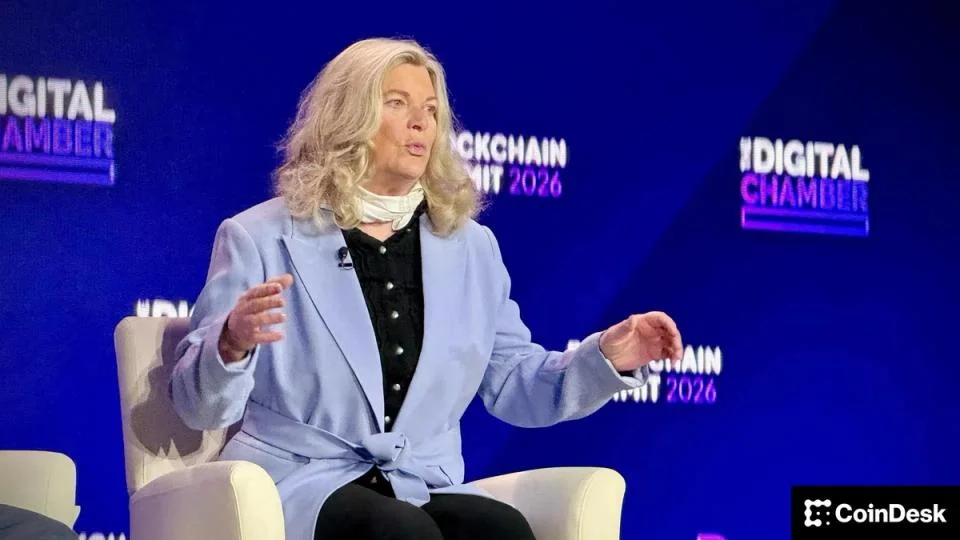



Senator Cynthia Lummis, one of the lead negotiators on the Digital Asset Market Clarity Act, said the updated bill text released Wednesday merges the Senate Banking and Agriculture Committee versions and is open to further changes on its ethics provision and certain illicit-finance sections through the weekend. The draft is not expected to be final, and a group of Democratic senators said late Wednesday the bill still fell short of where it needs to be to earn their support, while pledging to keep negotiating.
The ethics provision is the central friction point. Lummis told CoinDesk that allowing state attorneys general to bring criminal or private cases against officials bound by the provision was a "bright red line" for Republican negotiators and the White House, both wary of exposure to state-level suits. Under the working language, states could still sue crypto exchanges that list assets violating the ethics rule. The provision would cover the president, other lawmakers, high-level federal judges across district, appeals, the Supreme Court and the Court of International Trade, plus their spouses.
Why it matters
President Donald Trump's crypto ties, including a namesake memecoin and a stablecoin issuer, sit at the heart of the Democratic objection. Senator Elizabeth Warren, the top Democrat on the Banking Committee, argued the policy as written would let Trump continue his crypto businesses largely untouched, with any impropriety ignored by a loyal Justice Department and legally fenced off once he leaves office. Lummis framed the ethics deal as the product of weeks of bipartisan work, but the impasse over state-AG enforcement rights is the kind of structural question that can stall a bill even after committee passage.
Beyond ethics, Lummis said negotiators believe they have "landed in a good place" on illicit finance, covering the Bank Secrecy Act, money-laundering protections, sanction coverage for centralized exchanges and DeFi, a new anti-fraud rule for crypto ATMs, and a safe harbor letting platforms freeze funds tied to suspicious transactions.
Frequently asked questions
-
What is the Digital Asset Market Clarity Act?
It is the U.S. Senate's draft bill combining the Senate Banking and Agriculture Committee texts to set market-structure rules for digital assets, including an ethics provision covering government officials' crypto ties and illicit-finance controls.
-
Why is the ethics provision the main sticking point?
Republican negotiators and the White House drew a "bright red line" against allowing state attorneys general to bring criminal or private cases against officials bound by the rule. Democrats say the language as written still lets President Trump's crypto businesses operate largely untouched.
-
Who does the ethics provision cover?
Per Lummis, it covers the president, other lawmakers, high-level federal judges across district, appeals, the Supreme Court and the Court of International Trade, plus their spouses. States could still sue crypto exchanges that list assets violating the rule.
-
What illicit-finance items are in the bill?
The draft covers the Bank Secrecy Act, money-laundering protections, sanction reach over centralized exchanges and DeFi, a new anti-fraud rule for crypto ATMs, and a safe harbor letting platforms freeze funds tied to suspicious transactions.
-
When could the bill hit the Senate floor?
Majority Leader John Thune's office said he wants to bring it up soon, but some senators will be absent next week for Lindsey Graham's funeral, and the Senate leaves August 7 for summer recess. The bill needs at least 60 votes to advance.
 WuBlockchain
 CoinTelegraph
 TheBlock
 CryptoSlate
 Altcoin Daily
 Crypto Capital Venture