








 CoinDesk



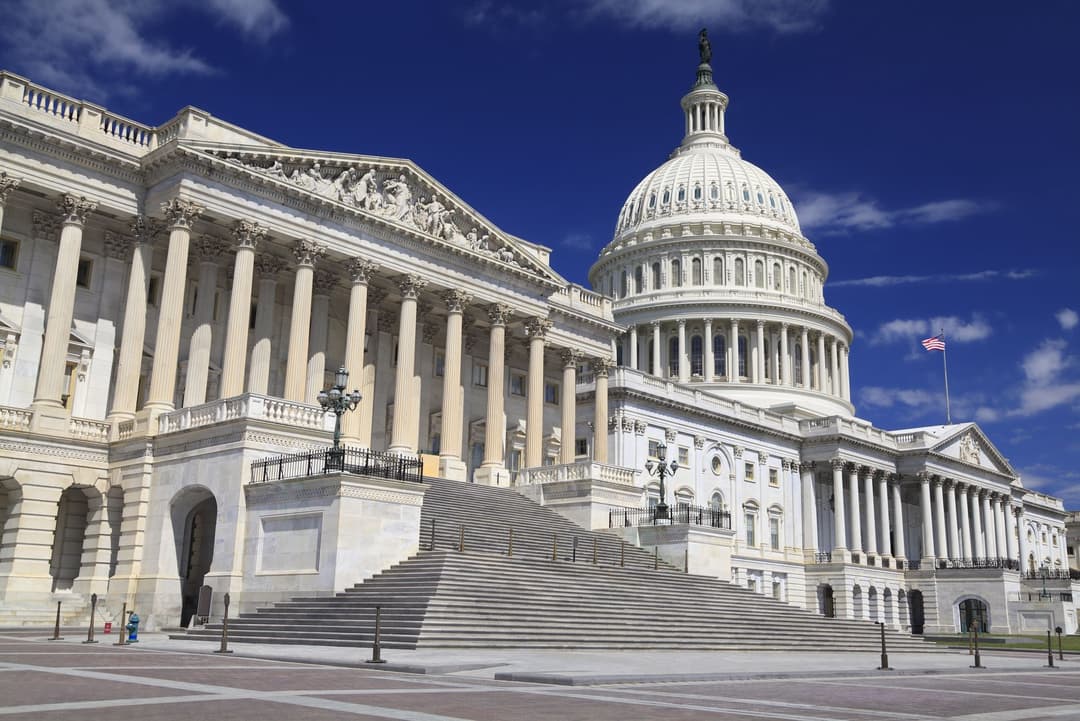
Minnesota has enacted the first Midwestern law explicitly authorizing state-chartered commercial banks and credit unions to offer cryptocurrency custody services, signed by Governor Tim Walz last week and set to take effect August 1, 2026. The bill, HF 3709, passed with overwhelming bipartisan support earlier this month and was authored by Rep. Bernadette "Bernie" Perryman (R-St. Augusta), Rep. Steve Elkins (DFL), and a third co-author. Lawmakers framed the measure as a direct response to deposit flight from local institutions to out-of-state crypto platforms and exchanges, with the simultaneous passage of SF 3868 imposing a statewide ban on crypto ATMs and kiosks effective the same day.
Why it matters
Local bankers told CoinDesk the calculus is now commercial, not ideological. "This is no longer simply a question of 'belief' or consumer curiosity — it's a matter of commercial and competitive relevance for financial institutions," said Meggan Schwirtz, chief experience officer at St. Cloud Financial Credit Union. Schwirtz added that large institutions and Wall Street firms are "aggressively positioning themselves around digital asset infrastructure because they recognize the long-term implications for payments, settlement, custody, and the future movement of value." The law therefore lands as a defensive moat for community institutions, not a speculative expansion: dollars that flow to crypto exchanges leave the local lending base for mortgages, small business credit, and community development.
Market impact
Custodians must comply with federal AML, SAR, and enhanced KYC standards, and digital assets remain entirely outside FDIC and NCUA insurance coverage. St. Cloud Financial Credit Union has already secured a strategic underwriting partnership with a Lloyd's of London-backed insurance solution tailored to its custody operations. The macroeconomic backdrop is concrete: a Jefferies report estimated that privately-issued stablecoin adoption could drive a 3% to 5% runoff in core US bank deposits over five years, cutting average bank earnings by roughly 3%.
Frequently asked questions
-
What does Minnesota's new crypto custody law actually do?
HF 3709, signed by Governor Tim Walz and effective August 1, 2026, explicitly authorizes state-chartered commercial banks and credit unions to offer cryptocurrency custody services — the first unified Midwestern framework of its kind.
-
Why did Minnesota pass the law?
Lawmakers cited deposit flight from local institutions to out-of-state crypto platforms and exchanges. Rep. Bernadette Perryman said those lost dollars reduce small business lending, mortgages, and community development funding across the state.
-
Are crypto assets held under the law insured by the FDIC or NCUA?
No. Digital assets remain entirely excluded from federal FDIC or NCUA insurance. Institutions offering custody must comply with federal AML, SAR, and enhanced KYC standards, and some are securing private insurance alternatives — St. Cloud Financial Credit Union has a Lloyd's of London-backed underwriting partnership.
-
What is Minnesota doing about crypto ATMs?
A separate bill, SF 3868, imposes a statewide ban on crypto ATMs and kiosks effective August 1, 2026. The move comes the same week Bitcoin Depot, one of the largest US bitcoin ATM operators, filed for bankruptcy.
-
How significant is the deposit-flight problem this law addresses?
A Jefferies report estimated that privately-issued stablecoin adoption could drive a 3% to 5% runoff in core US bank deposits over five years, cutting average bank earnings by roughly 3% — a structural drag Minnesota's community banks are positioning to counter.
 Crypto Rank News
 WatcherGuru
 WuBlockchain
 CryptoSlate
 CoinTelegraph
 TheBlock