








 CoinDesk
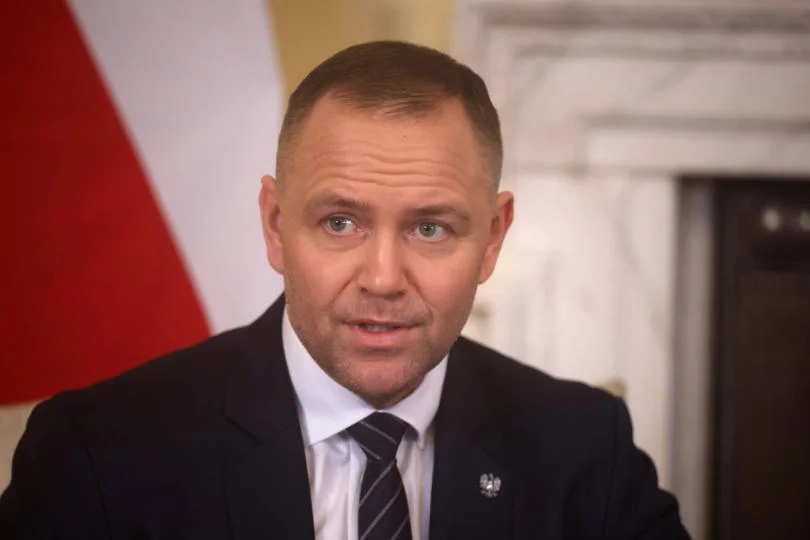



Poland entered MiCA's full effect date on Wednesday as the only European Union member without a functioning domestic licensing regime, forcing the country's roughly 2,000 registered virtual asset service providers to seek authorization abroad or risk shutting down. The bottleneck traces back to President Karol Nawrocki, who for a third time earlier this month refused to sign the implementing law that would have given the Financial Supervision Authority (KNF) the power to approve crypto companies.
Without a designated competent authority for MiCA supervision, except for issuers of electronic money tokens covered by a separate framework, Polish public authorities cannot grant the licenses that let firms passport services across all 27 EU member states plus Iceland, Liechtenstein, and Norway. The KNF confirmed the gap in a statement, noting no Polish authority has been designated to oversee the bulk of MiCA-regulated activity.
Why it matters
A MiCA license issued in any one EU state unlocks the entire bloc through passporting, so the deadlock effectively exports Polish regulatory authority to Lithuania, Latvia, or Germany, where firms can apply and then serve their home market from afar. Industry executives describe the dynamic bluntly: "The business simply moves somewhere else," said Wojciech Kaszycki, chief strategy officer of Warsaw-based fintech BTCS.
The rejected draft drew criticism from both the presidency and the industry on similar grounds. Nawrocki objected that the law gives KNF the ability to freeze customer funds for months and block websites before companies exhaust legal appeals, powers he described as favoring banks and large incumbents over startups. BTCS agreed parts of the law extended beyond MiCA itself, and called the current text "version one" of a framework European regulators will continue to refine.
Market impact
Mateusz Kara, CEO of Morphic Financial Group, said compliance costs combined with the political deadlock could "wipe out Polish crypto," predicting most of the country's 2,000 VASP-registered entities will need to shut down, relocate, or chase licenses abroad from the second half of this year onward.
Frequently asked questions
-
Why is Poland the only EU country without a MiCA licensing regime?
President Karol Nawrocki vetoed the implementing law for a third time earlier this month, leaving the Financial Supervision Authority without authority to issue MiCA licenses. Without a designated competent authority, Polish firms cannot be authorized at home.
-
How many Polish crypto firms are affected by the standoff?
Around 2,000 virtual asset service providers are registered in Poland, and only a small number have secured MiCA licenses in other EU states so far. Industry executives expect many of the rest to shut down, relocate, or chase authorization abroad.
-
Where can Polish crypto companies apply for MiCA licenses instead?
They can apply in any EU member state such as Lithuania, Latvia, or Germany, then passport the license across all 27 EU countries plus Iceland, Liechtenstein, and Norway. The license is valid bloc-wide once granted in any one state.
-
What parts of the Polish implementing law did Nawrocki reject?
He objected that the law gives KNF excessive powers, including the ability to freeze customer funds for months and block websites before companies exhaust legal appeals. He also argued it favored banks and large incumbents over startups.
-
Could Poland still adopt a MiCA licensing regime after the veto?
Yes. The draft has been passed by both houses of parliament, and a future sign-off by the president or a workaround via KNF designation could still unlock domestic licensing. Industry voices also expect EU regulators to refine the broader framework over time.
 CryptoSlate
 CoinTelegraph
 WuBlockchain
 WatcherGuru
 TheBlock
 Crypto News