








 CoinDesk
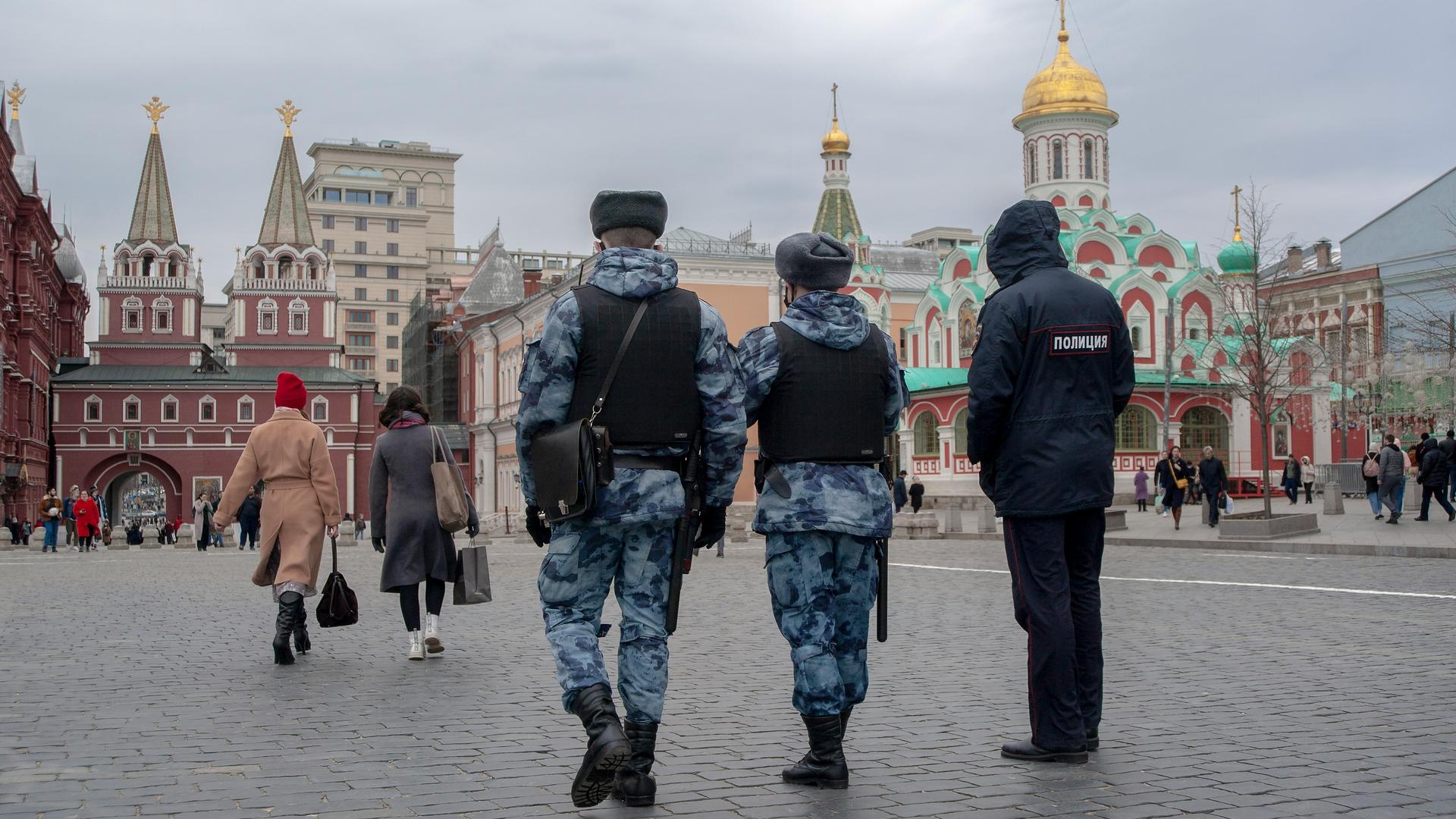



Russia's Federal Security Service (FSB) detained more than 20 people in Moscow City on Friday, accusing them of running unregistered crypto exchange offices that laundered proceeds from scams targeting Russian citizens into Ukraine. The agency, working with the Interior Ministry, said it shut down nine crypto-based channels used to move funds abroad but did not name the exchanges, the cryptocurrencies involved, or the total sums stolen.
Why it matters
The raid fits a tightening Russian enforcement posture that treats unlicensed crypto desks as a sanctions-evasion and war-financing vector rather than purely a financial-crime problem. Russia banned Ukrainian-founded WhiteBit in January as part of the same campaign, and the FSB's framing of this ring as a Ukraine-linked operation pushes that logic further: any unregistered exchange taking rubles is now potentially subject to a national-security read, not just an AML one.
The scheme itself, per the FSB, runs on a template familiar inside Russia for years. Call centers, often based abroad, work elderly victims through a long phone call, then walk them to a brick-and-mortar crypto desk to convert rubles into digital assets that can be moved across borders. The FSB said the recruiters were young people from Russian regions pulled in by promises of easy money despite limited financial literacy.
Market impact
The practical effect for Russian retail is another squeeze on an already shrinking pool of legal on-ramps: each high-profile bust validates the central bank's preference for a closed, state-controlled crypto infrastructure and narrows the political room for licensed exchanges to operate. For the global market, the read is structural rather than price-moving; ruble-based volumes sit mostly outside the major venues, and no Western exchange has any direct exposure to the named scheme.
The lack of disclosed evidence behind the Ukraine coordination claim is also part of the story. State-aligned Russian media will treat the bust as a foreign-financed threat by definition, while the silence on coins, exchanges, and totals means the broader market has nothing concrete to price.
Frequently asked questions
-
What did Russia's FSB announce on Friday?
The FSB said it detained more than 20 people in Moscow City accused of running unregistered crypto exchange offices that funneled money from Russian scam victims into Ukraine. The agency also said it shut down nine crypto-based channels used to move funds abroad.
-
Why does Russia link the scheme to Ukraine?
The FSB says the ring relied on Ukrainian call centers that targeted Russian victims, including pensioners, working them through long phone sessions before sending them to physical crypto desks to convert rubles into digital assets. No evidence was offered for the coordination claim.
-
How much money was stolen?
The FSB did not disclose the total sum stolen. It also did not name the crypto exchanges involved or the specific cryptocurrencies used in the alleged scheme.
-
How does this fit Russia's broader crypto crackdown?
The raid follows Russia's January ban on Ukrainian-founded exchange WhiteBit. It reflects a tightening posture that treats unlicensed crypto desks as sanctions-evasion and war-financing vectors rather than purely financial-crime cases.
-
What is the market impact?
There is no direct price signal for major Western venues, since ruble-based volumes sit mostly outside their reach. The structural effect is another squeeze on legal on-ramps for Russian retail and validation of the central bank's push toward a closed, state-controlled crypto infrastructure.
 WuBlockchain
 CoinTelegraph
 WatcherGuru
 CryptoSlate