








 CoinDesk
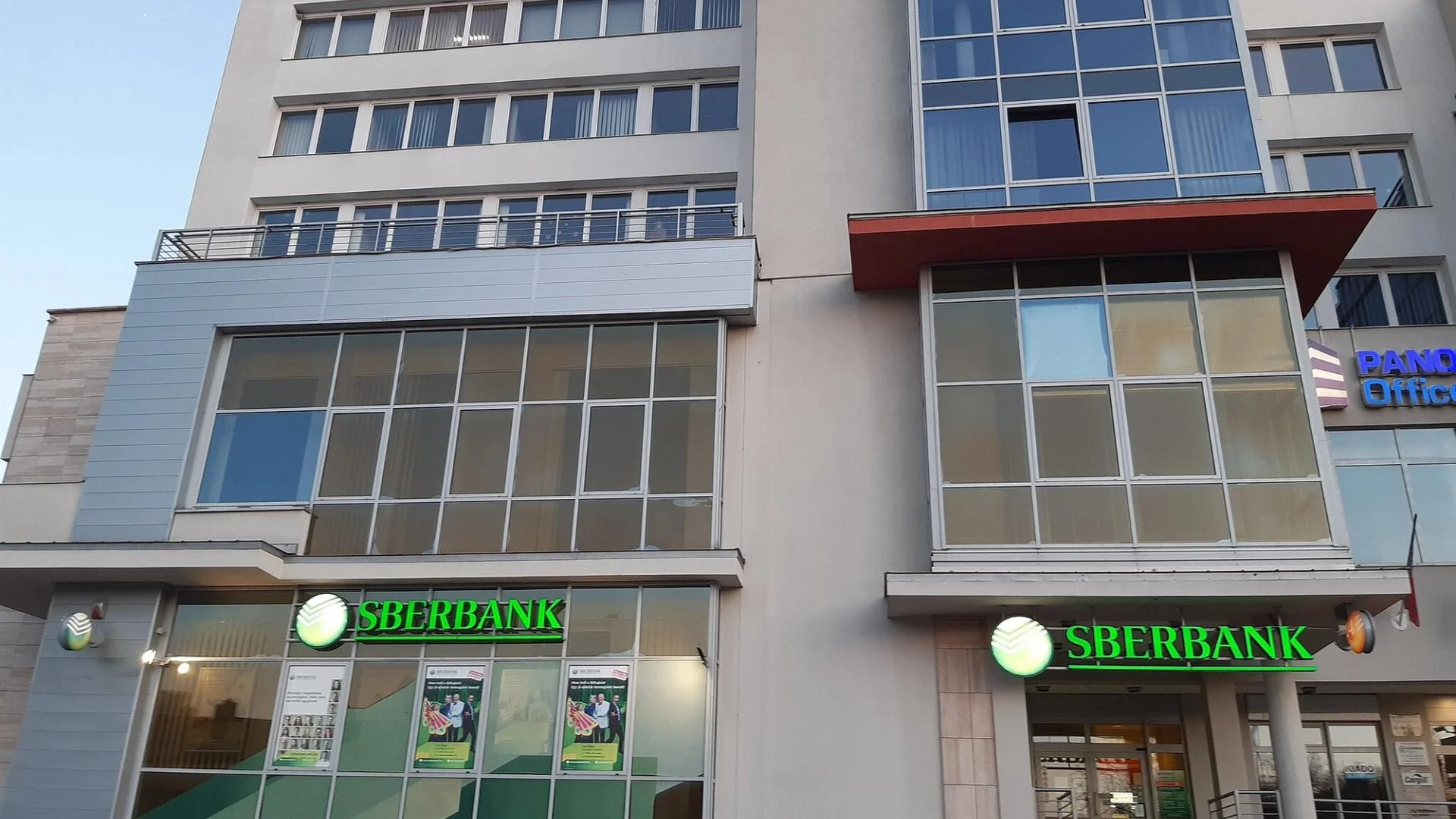


Sberbank, Russia's largest bank, plans to accept ether and Tether's USDT as collateral for crypto-backed loans, expanding beyond a pilot launched in December with a bitcoin-backed facility for miner Intelion Data. Deputy Chairman Anatoly Popov told TASS the bank will adapt its existing products to Russia's new crypto rules before gradually broadening the assets it accepts. The country's crypto framework takes effect Sept. 1, with in-country crypto payments remaining prohibited and market participants given until July 2027 to obtain licenses.
Why it matters
Sberbank is the first major state-controlled bank to put ether and a foreign stablecoin on its collateral menu. That is institutional legitimization with a state-bank stamp on it, even if the jurisdiction sits outside the Western financial system. The Bank of Russia already named BTC, ETH and USDT in an August draft list of cryptocurrencies eligible to trade publicly on Russian exchanges, with selection based on market capitalization, daily trading volume and at least five years of price history on foreign platforms.
The sanctions wrinkle is the second layer. Sberbank has been under full US blocking sanctions since April 2022 and an EU asset freeze since July that year. Tether publicly freezes USDT linked to sanctioned entities, and the Bank of Russia warned in June that stablecoin issuers can seize tokens from lawful owners under unilateral restrictions without a court order. Russia is writing that legal risk into its own rule book even as it opens the door.
Market impact
Crypto-backed lending is a new institutional use case for ETH and USDT inside Russia, deepening regulated demand for both assets. Watch the actual product rollout after Sept. 1 and whether other Russian lenders follow Sberbank's lead, which would broaden the base for ETH and USDT as productive collateral rather than purely trading assets.



Frequently asked questions
-
What is Sberbank's new crypto lending plan?
Sberbank, Russia's largest bank, plans to accept ether and Tether's USDT as collateral for crypto-backed loans, expanding beyond a December bitcoin-backed pilot issued to miner Intelion Data. Deputy Chairman Anatoly Popov told TASS the bank will adapt existing products to Russia's new crypto rules.
-
When does Russia's new crypto law take effect?
The law takes effect Sept. 1, allowing trading through regulated intermediaries with the same requirements applied to foreign stablecoins. In-country crypto payments remain prohibited, and market participants have until July 2027 to obtain licenses.
-
Which cryptocurrencies did the Bank of Russia approve for trading?
The Bank of Russia named bitcoin, ether and USDT in an August draft list of cryptocurrencies eligible for public trading on Russian exchanges, selected based on market capitalization, average daily trading volume and at least five years of price history on foreign platforms.
-
Why is USDT controversial as collateral for Sberbank?
Tether can freeze USDT linked to sanctioned entities, and Sberbank has been under full US blocking sanctions since April 2022 and an EU asset freeze since July 2022. The Bank of Russia warned in June that stablecoin issuers can seize tokens from lawful owners under unilateral restrictions without a court order.
-
Has Sberbank issued crypto-backed loans before?
Yes. In December, Sberbank issued what it called Russia's first bitcoin-backed loan to miner Intelion Data, holding the collateral through its in-house custody product. The bank said in February it wanted to extend the product beyond miners to other businesses holding cryptocurrency.
 Lookonchain
 CryptoSlate
 WuBlockchain
 TheBlock