








 CoinDesk
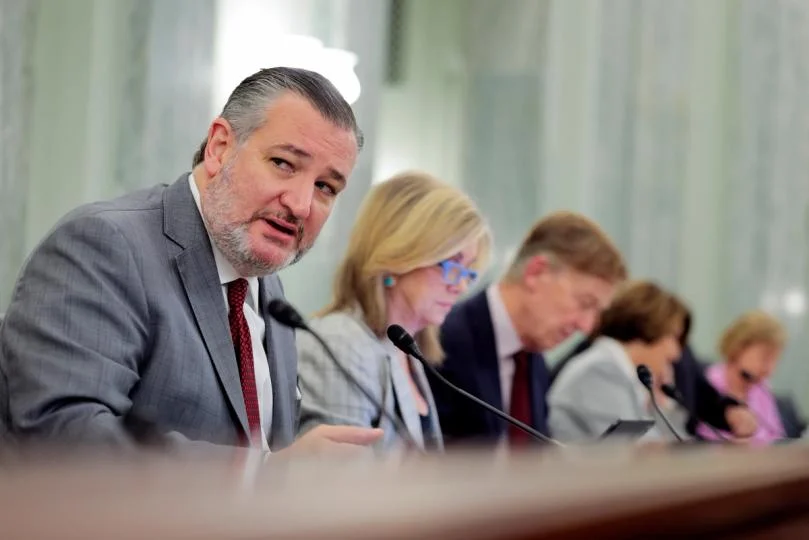

Prediction markets platforms run by Kalshi and Crypto.com absorbed two hours of bipartisan criticism at a U.S. Senate Commerce Committee hearing on Wednesday, with senators hammering the sector over athlete cheating scandals, advertising practices that reach underage users, and the industry's claim to federal oversight as states move to shut it down.
The fast-growing event-contract space — where users trade on the outcome of events from sports to politics — has become a flashpoint for U.S. regulators, and the hearing exposed how thin the federal defense is. Chairman Ted Cruz (R-TX) opened with a string of alleged match-fixing incidents: NBA players and coaches accused of manipulating performance, two Major League Baseball pitchers accused of rigging pitches, two MLS players banned for taking yellow cards on purpose, and UFC bouts canceled over suspected fixing. Cruz said the trend "sows doubt in the minds of fans" and warned that the temptation now extends to the athletes themselves. Senator John Hickenlooper (D-CO) went further, accusing the firms of unleashing the "hounds of hell" in social media marketing aimed at young people.
Why it matters
The industry is fighting on two fronts at once. The CFTC, the federal regulator that claims jurisdiction over these platforms as derivatives, is already suing Minnesota, Arizona, Connecticut, Illinois and New York to preempt state laws that would reclassify the contracts as illegal gambling. CFTC Chairman Mike Selig, currently the sole sitting member of what is meant to be a five-member commission, called the Minnesota law a move that would turn "lawful operators and participants in prediction markets into felons overnight." The agency is also working on a tailored rule for the sector.
The hearing made clear the federal turf claim is contested even by friendly lawmakers. Patrick McHenry, recently retired from the House and now an adviser to the Coalition for Prediction Markets representing Kalshi, Crypto.com, Robinhood and Coinbase, argued the CFTC "has the capacity to oversee this market" the way it oversees grain futures.
Frequently asked questions
-
What happened at the Senate Commerce Committee hearing on prediction markets?
The U.S. Senate Commerce Committee held a two-hour hearing on Wednesday scrutinizing prediction markets platforms run by Kalshi, Crypto.com and others. Lawmakers from both parties pressed the firms on athlete cheating scandals, advertising to underage users, and the federal-versus-state regulatory dispute.
-
Which cheating scandals did Senator Cruz cite during the hearing?
Chairman Ted Cruz cited NBA players and coaches accused of manipulating performance and providing insider information, two Major League Baseball pitchers accused of rigging their own pitches, two MLS players banned for intentionally picking up yellow cards, and UFC bouts canceled over suspected match fixing.
-
Why is the CFTC suing states over prediction markets regulation?
CFTC Chairman Mike Selig argues that event contracts are federally regulated derivatives, not bets, and that state laws reclassifying them as illegal gambling unconstitutionally intrude on federal authority. The agency has filed suits against Minnesota, Arizona, Connecticut, Illinois and New York.
-
What did Patrick McHenry say in defense of the prediction markets industry?
McHenry, recently retired from the House and now an adviser to the Coalition for Prediction Markets representing Kalshi, Crypto.com, Robinhood and Coinbase, said the CFTC can oversee event contracts the way it oversees grain futures and that member companies run surveillance greater than any casino or sportsbook.
-
Could the Supreme Court decide the future of prediction markets in the US?
Chairman Cruz suggested as much at the close of the hearing, noting that the constitutional question of whether the CFTC has exclusive authority over event contracts may ultimately require Supreme Court resolution. The CFTC is already litigating against five states.
 Crypto Rank News
 WatcherGuru
 WuBlockchain
 CryptoSlate
 CoinTelegraph