








 CoinDesk
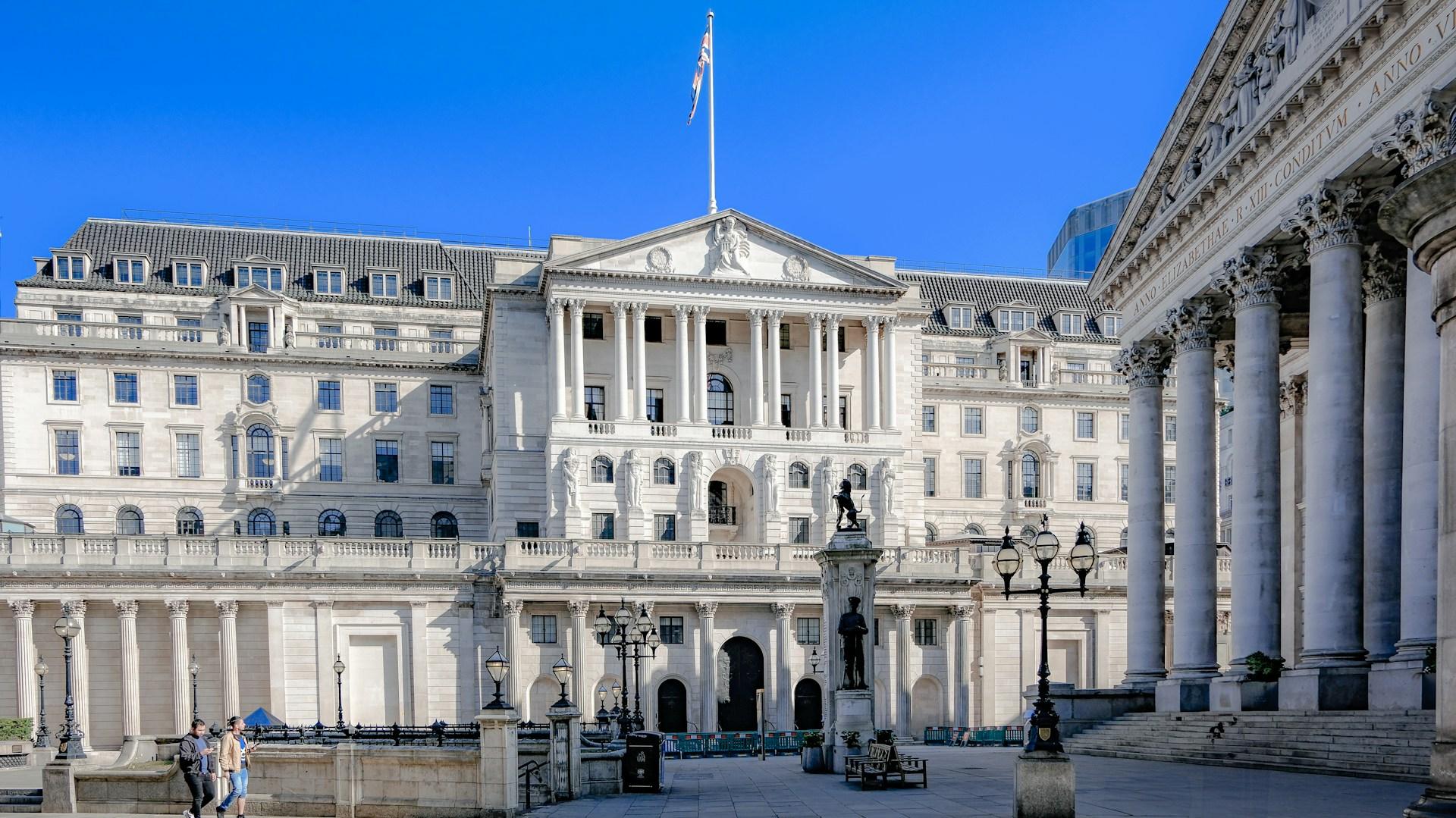


Britain is preparing to give the Bank of England a new statutory objective to support innovation in stablecoins and other forms of digital money, while keeping financial stability as its primary duty. The secondary mandate will be added through an amendment to the Financial Services and Markets Bill and require the BoE to report annually to Parliament on its progress. The move comes as the government readies a unified framework covering traditional and tokenized payments, including stablecoins and tokenized deposits, alongside rules for AI agent payments.
Why it matters
City Minister Lucy Rigby framed the change as a competitive play. "Whilst financial stability will always remain the Bank's primary objective, this secondary objective will support the Bank to continue to drive innovation in payments and digital finance, ensuring that the UK remains a global leader in financial services," she told the Financial Times. Britain is also preparing the operational scaffolding: a temporary £40 billion ($54 billion) issuance cap for each systemic stablecoin, replacing the BoE's earlier proposal for individual holding limits. Issuers can hold up to 70% of reserves in short-term British government debt, with the remainder kept as central bank deposits.
Market impact
The Financial Conduct Authority has finalized its crypto and stablecoin rules, with firms able to apply for authorization from September 30 and the full regime taking effect October 25, 2027. The global stablecoin market now sits at roughly $303 billion, up from around $200 billion a year ago per DeFiLlama, with US-dollar stablecoins still dominating the stack. Visa data points to surging retail use: transactions under $250 climbed from $500 million in 2019 to nearly $70 billion last year, the kind of volume that puts legislative frameworks like Britain's under immediate stress.
Frequently asked questions
-
Why is Britain adding a stablecoin innovation objective to the BoE?
The government wants to hardwire payments modernization into the central bank's mandate and keep London competitive in the global race for digital-asset activity. Financial stability remains the primary duty.
-
What is the £40 billion stablecoin cap and when does the regime take effect?
It is a temporary issuance ceiling for each systemic stablecoin, replacing the BoE's earlier proposal for individual holding limits. The broader FCA regime takes effect on October 25, 2027, with applications opening September 30.
-
What can stablecoin issuers hold as reserves under the UK rules?
Up to 70% of reserves can sit in short-term British government debt, with the remainder kept as central bank deposits at the BoE.
-
How big is the global stablecoin market today?
Around $303 billion, up from roughly $200 billion a year earlier, according to DeFiLlama. The bulk of that volume sits in US-dollar-denominated stablecoins.
-
How fast is retail stablecoin use growing?
Visa data shows transactions under $250 climbed from $500 million in 2019 to nearly $70 billion last year, a sign consumer-scale stablecoin volume is no longer fringe.
 TheBlock
 CoinTelegraph
 WatcherGuru
 WuBlockchain
 CryptoSlate