








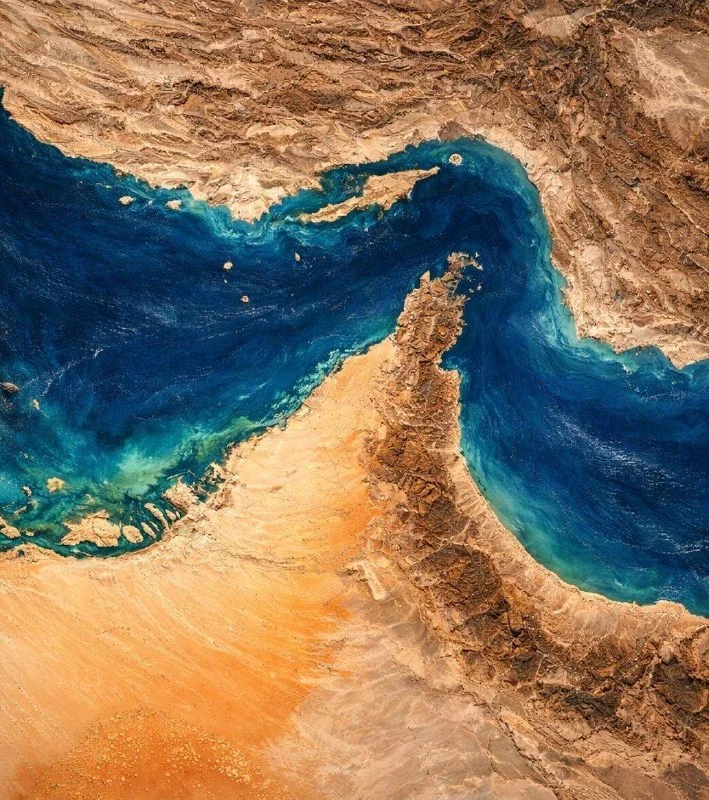

Rapidan Energy Group is sounding one of the starkest macro alarms of the year: if the Strait of Hormuz remains closed through summer, the resulting recession risk could rival the scale of the 2008 global financial crisis, according to a Bloomberg report.
The Strait of Hormuz is the world's single most critical oil chokepoint, handling roughly 20% of global petroleum flows. A sustained closure — whether through military conflict, blockade, or escalating regional tension — would send energy prices into shock territory, compress corporate margins globally, and hit emerging-market economies that carry the least fiscal buffer hardest.
Rapidan's warning lands at a moment when markets are already navigating elevated geopolitical risk premiums. If the closure extends into the summer demand peak, the feedback loop between energy inflation, central bank policy, and slowing growth becomes…
Frequently asked questions
-
What specific factors could lead to the closure of the Strait of Hormuz?
The closure could result from military conflict, blockade, or escalating regional tension, all of which pose significant risks to global oil supply.
-
How would a closure of the Strait of Hormuz impact emerging-market economies?
Emerging-market economies, which typically have less fiscal buffer, would be hit hardest by the energy price shocks resulting from a sustained closure.

 WatcherGuru
 Crypto News
 Benjamin Cowen
 CoinDesk
 WuBlockchain
 Altcoin Daily