


 CoinDesk
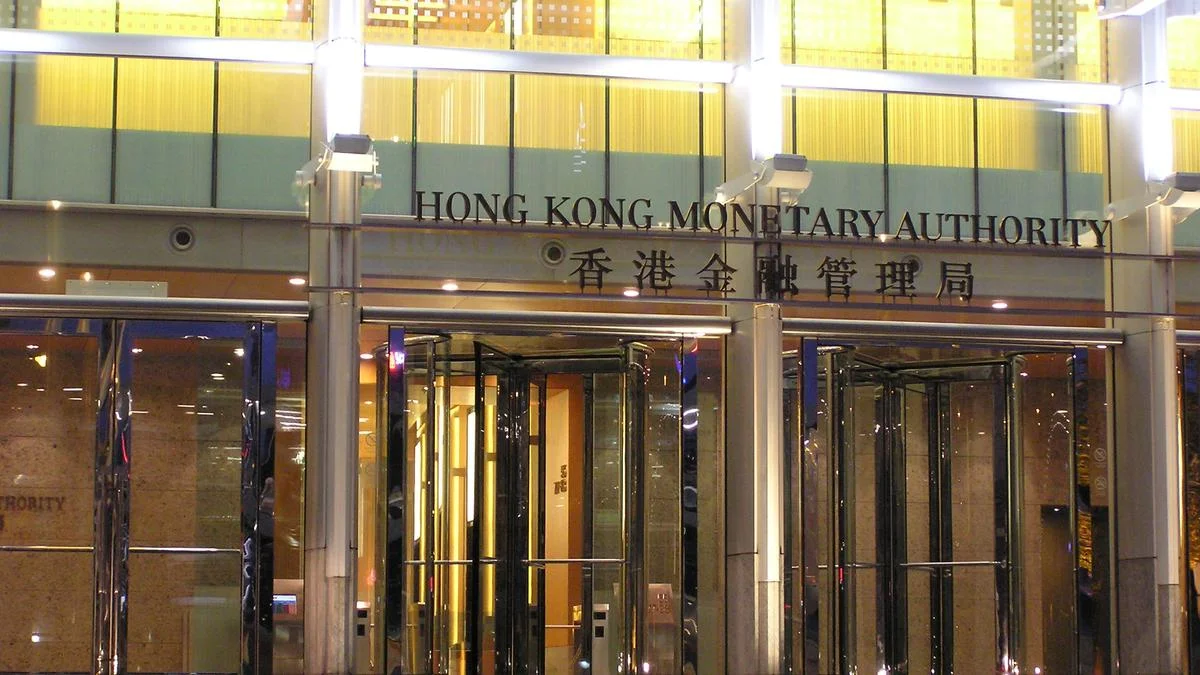


Hong Kong’s central bank and Swift are working with HSBC, Standard Chartered and Bank of China on an exploratory test of cross-border payments using tokenized deposits in multiple currencies. The test would connect Swift’s blockchain-based ledger with Hong Kong’s Project Ensemble, potentially allowing banks to move money internationally around the clock. Swift connects more than 11,500 financial institutions worldwide, giving the trial a potential network beyond crypto-native payment rails.
Why it matters
The distinction from stablecoins is central to the project. Tokenized deposits represent money held in bank accounts and recorded on a blockchain, allowing banks to offer blockchain-based payments while preserving customer deposits and lending relationships. Stablecoin issuers are private companies, while deposits remain part of the regulated banking system.
Pharos CEO Wish Wu said banks are not trying to replace stablecoins. They want another way to deliver the speed and continuous availability that stablecoins have demonstrated in cross-border transfers. Tokenized deposits could become the customer-facing layer of digital banking, while central bank money handles settlement, according to Wu.
Market impact
The test gives banks a route to compete with stablecoins for international payments without shifting customer funds outside traditional accounts. It also extends the 2023 cooperation between Hong Kong and Swift, which initially explored how central bank digital currency systems could communicate.
Similar work is already advancing across multiple corridors. JPMorgan and DBS said they connected blockchain deposit networks for approved customers transferring tokenized US dollars between Singapore and the US, including on weekends. Singapore and Germany also completed a CBDC test designed to prevent one side from sending euros without receiving Singapore dollars in return.
The projects remain exploratory, but together they show banks and central banks competing on settlement speed and availability while keeping the monetary and legal architecture of regulated finance.
Frequently asked questions
-
How do tokenized deposits differ from stablecoins?
Tokenized deposits represent money held in bank accounts and recorded on a blockchain. Stablecoins are issued by private companies, while tokenized deposits preserve banks’ customer deposits and lending relationships.
-
Which banks are participating in Hong Kong’s tokenized deposit test?
HSBC, Standard Chartered and Bank of China are participating in the exploratory test alongside the Hong Kong Monetary Authority and Swift.
-
What role does Project Ensemble play in the cross-border payment test?
Project Ensemble is Hong Kong’s platform for settling tokenized assets and deposits. The test would connect it with Swift’s blockchain-based ledger for cross-border transactions in multiple currencies.
-
What advantage are the banks trying to gain from tokenized deposits?
The goal is to support international transfers around the clock while keeping the money inside regulated bank accounts. Banks want the speed and availability associated with stablecoins without surrendering customer relationships.
-
Is Hong Kong’s tokenized deposit project already ready for commercial use?
No. The project remains exploratory and extends cooperation that began in 2023. It advances alongside related trials involving tokenized US dollars and CBDC settlement across major financial centers.
 TheBlock
 WuBlockchain
 WatcherGuru
 Glassnode
 CryptoSlate
 CoinTelegraph