








 CoinDesk
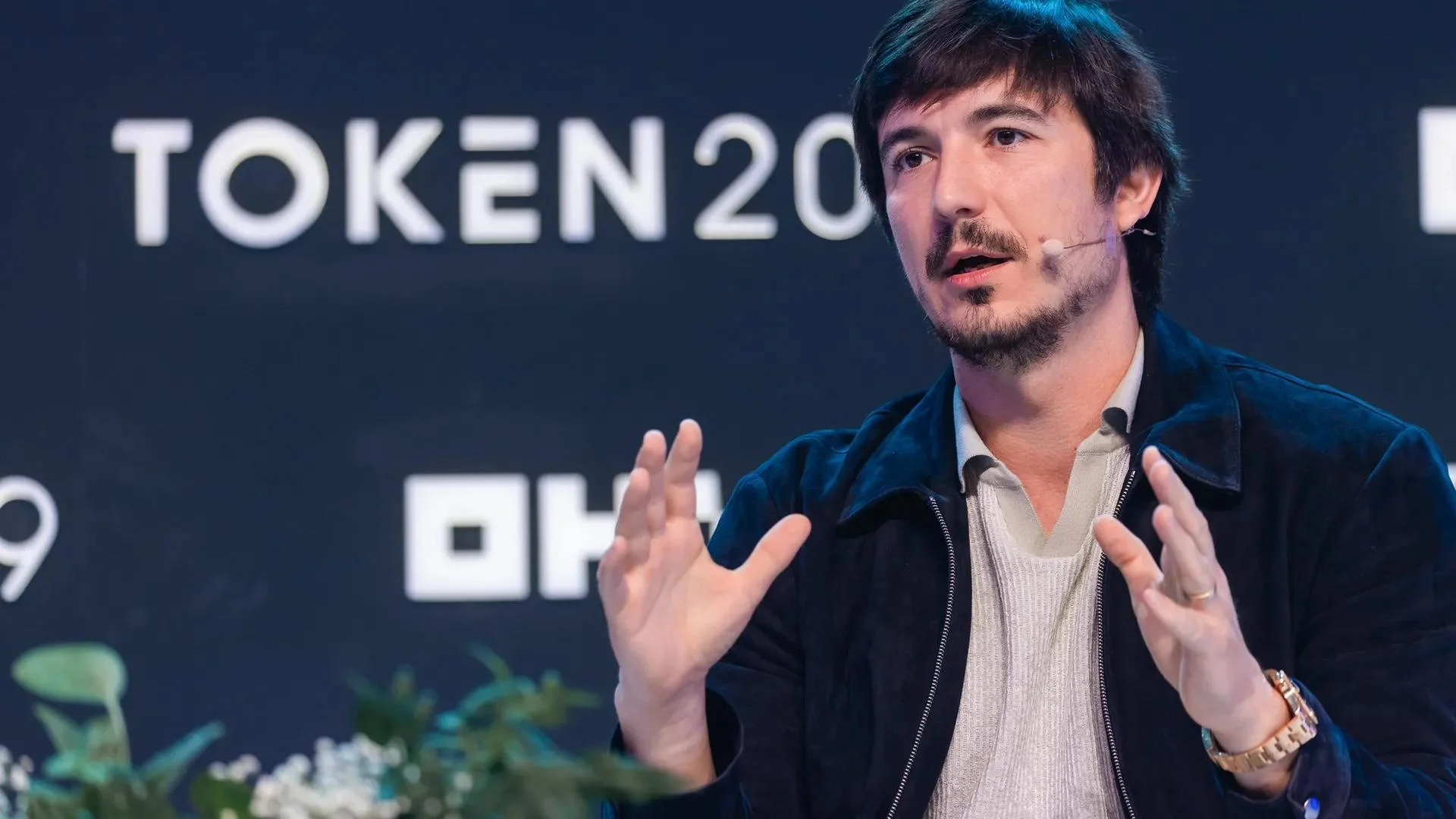


Robinhood CEO Vlad Tenev is pressing U.S. regulators to clear a path for tokenized stocks, warning that America risks ceding the next generation of financial-market infrastructure to overseas venues. Robinhood has already made tokenized versions of more than 190 U.S. stocks available to users in over 120 countries, with the tokens tracking share prices and dividends but stopping short of granting direct ownership. Tenev's case rests on real-time settlement, 24/7 trading, and portable assets that move between wallets the way information moves online.
Why it matters
Tenev is framing the moment as the start of a global "tokenization supercycle," a follow-up to his earlier claim that the technology would become a "freight train" for traditional finance. His strongest argument is settlement: he points to the 2021 GameStop frenzy, when clearinghouse collateral demands forced Robinhood to restrict buys on individual names, as proof that legacy plumbing creates acute pressure under stress. U.S. settlement has since compressed from T+2 to T+1, but tokenized assets could compress it further, cutting collateral requirements between trade and finality.
The structural pitch is bigger than the trading-hours question. Tokenized shares can theoretically move between compatible wallets without going through broker-to-broker transfer systems that currently take days, and they can extend equity access to private-company shares and real estate, where trading is already limited. The catch is that putting a regulated security on a chain does not waive the underlying obligations around custody, clearing, and shareholder rights, which is exactly the rulebook Tenev wants rewritten.
Market impact
Robinhood's overseas launch already functions as a live pilot. More than 190 U.S. equities are now tradeable as on-chain tokens to retail outside the U.S., and the company's own framing positions the product as infrastructure, not as a novelty. If U.S.
Frequently asked questions
-
What did Robinhood's CEO ask U.S. regulators to do?
Vlad Tenev called on U.S. regulators to create a framework for tokenized stocks, warning the U.S. risks ceding the next generation of market infrastructure to overseas venues that have already moved ahead.
-
How many U.S. stocks has Robinhood tokenized?
Robinhood has shipped tokenized versions of more than 190 U.S. equities to users in over 120 countries outside the U.S. The tokens track share prices and dividends but do not grant direct ownership of the underlying shares.
-
Why does Tenev cite the 2021 GameStop episode?
Tenev points to the 2021 GameStop frenzy, when clearinghouse collateral demands forced Robinhood to restrict purchases on individual names, as evidence that legacy settlement infrastructure creates acute pressure during market stress and that real-time on-chain settlement could prevent repeats.
-
Do Robinhood's Stock Tokens give direct ownership of the underlying shares?
No. The tokens are backed 1:1 by the underlying stocks and track prices and dividends, but holders do not directly own the shares, a gap that sits at the center of the broader debate over what tokenized equities actually represent under U.S. securities law.
-
What other uses does Tenev see for tokenization beyond public stocks?
Tenev has discussed extending the same structures to exposure in private companies and real estate, where trading windows are already narrower and access is more limited, with future tokenized equities potentially carrying traditional shareholder rights if regulators allow it.
 CoinTelegraph
 WuBlockchain
 WatcherGuru
 Crypto Rank News
 TheBlock